India's Young People Are Rising Up Against a System That Let Them Down. Here's Why.

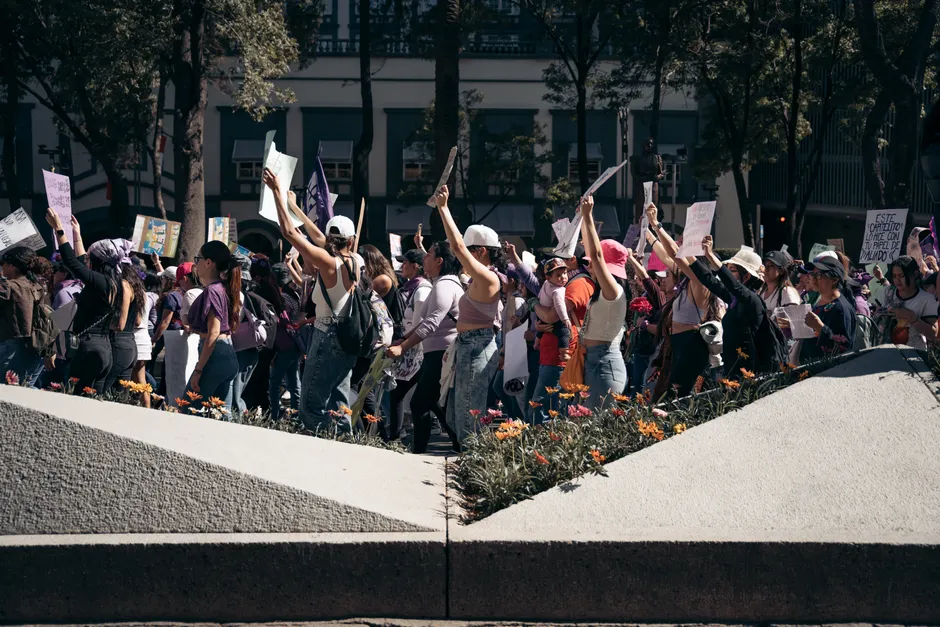
Tens of thousands of young Indians took to the streets of New Delhi in July 2026 to protest against Prime Minister Narendra Modi's government. They were angry about a broken education system and a lack of jobs, in what the New York Times called a rare challenge to his administration New York Times. The protests grew larger around July 20 and were led by a new political group called the Cockroach Janta Party, which turned youth frustration into one of India's biggest protest movements in recent memory ABC News. Many students were injured in clashes Reuters, and thousands stayed camped on Delhi's streets as the demonstrations went on AP News.
What set off the protests was a series of reported exam paper leaks. In India, millions of young people take competitive entrance exams every year. These exams are the main way to get government jobs or get into good universities. When exam papers are leaked ahead of time, it means some people may have cheated by seeing the answers in advance, which makes the whole system seem unfair Financial Post.
The anger goes deeper than the exam leaks, though. Nearly 40% of Indian college graduates aged 15 to 25 are unemployed, and 20% of graduates aged 25 to 29 are also jobless, according to BBC reporting from March 2026 BBC News. India's overall unemployment rate was 5.5% for people aged 15 and above as of June 2026, according to government data from the Ministry of Statistics and Programme Implementation.
There is a surprising twist in the numbers. Government surveys showed that youth unemployment actually improved slightly: rural youth unemployment dropped from 8.7% in 2024 to 8.3% in 2025, and urban youth unemployment fell from 14.3% to 13.6% over the same period. But here is the catch: the more educated a young Indian is, the more likely they are to be jobless. It is these young people, the ones who did everything the system asked of them and still could not find work, who filled the streets of Delhi.
India's Supreme Court Chief Justice Surya Kant said during a hearing on May 15, 2026, that unemployed young people tend to drift into activism, a comment that predicted what would happen next Frontline. The Cockroach Janta Party, named with deliberate provocation, became the group that turned that drift into political action. The name is a statement: cockroaches survive against all odds, and the party's founders used the metaphor to say their movement will endure against an establishment that has ignored them.
The political effects were immediate. Opposition parties in India's parliament disrupted proceedings to support the student protesters and put pressure on Modi's government Reuters. India's education minister promised reforms and agreed to a parliamentary debate on the crisis. Prime Minister Modi gave a speech praising young people as a national asset, even as thousands protested the education system's failures just outside Financial Post.
The broader context here is important. Modi has built his political image around the idea that India's young, ambitious people are driving the country's rise. Seeing those same young people march under a deliberately unglamorous name to demand accountability makes that story harder to tell. The opposition's move to disrupt parliament, while mostly a symbolic gesture, shows they believe education and jobs are a weak spot they can keep pressing.
India has seen large student protests before, from the anti-corruption movements of 2011 to the Jawaharlal Nehru University demonstrations of 2016. But the creation of a brand-new political party, the Cockroach Janta Party, specifically to channel youth anger, is a shift from one-off protests toward something more lasting. Whether it can turn street energy into actual votes is an open question. But drawing tens of thousands of people and dominating a parliamentary session within weeks of forming is a signal in itself.
For a graduate in a smaller Indian city who has spent years studying for a government exam, a leaked paper does not just mean a badly run test. It means years of effort wasted. When millions of young people share that experience, the jump from personal frustration to collective political action becomes much shorter.
In my view, the protesters in Delhi are not just asking for better administration. They are questioning whether the basic promise still holds: if you study hard, pass the exam, and get the job, the system will reward you. That question goes beyond any one political party or quick policy fix, and how India's leaders answer it may shape the country's politics for years to come.