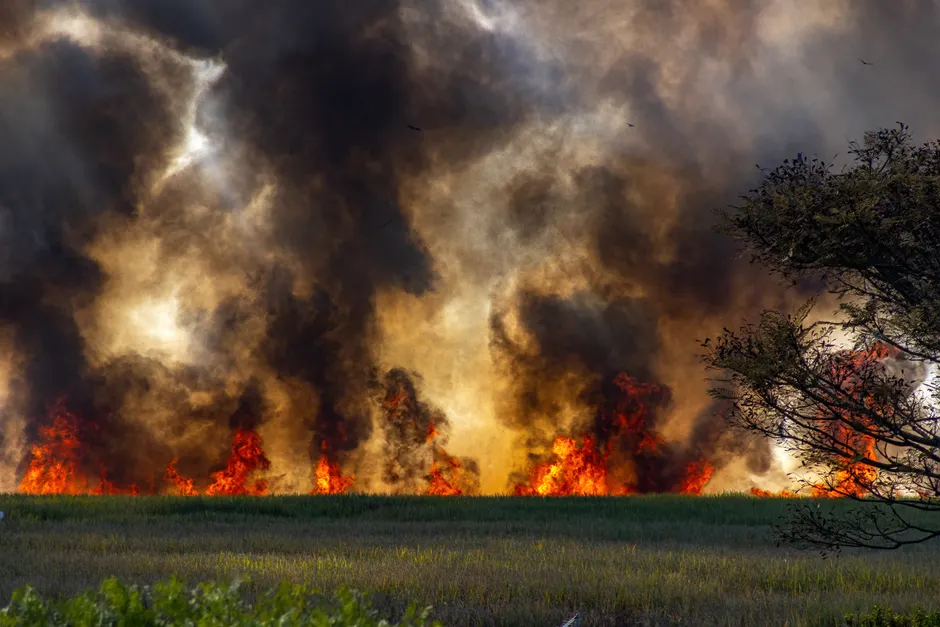
Wildfires Force 200,000 People From Their Homes in France and Spain
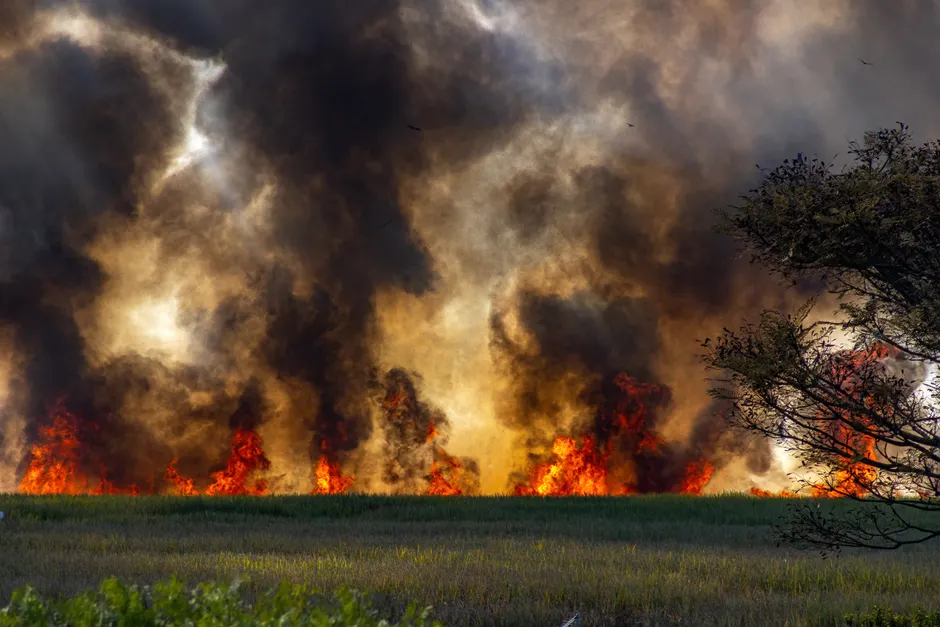
More than 200,000 people have been evacuated from their homes in France and Spain as wildfires burn across both countries. The crisis grew worse through the final week of July 2026. CNN
In southwestern France, local officials sent out an emergency phone alert called FR-Alert on July 24. This is France's national warning system that sends urgent messages directly to people's phones in a danger zone. The alert told residents to leave immediately because a forest fire was spreading fast. The alert was sent again on July 25 to evacuate more towns. France's Gendarmerie Nationale — a police force that is part of the military — was sent to manage the evacuation of 40,000 people from the Cap Ferret peninsula, a strip of land along the coast, guiding them toward the city of Bordeaux. Gironde Prefecture
Towns in the area called Le Porge, Saumos, Le Temple, and Lège-Cap-Ferret saw nearly 20,000 people evacuated as a precaution. Earlier in the week, clearing Gressier beach at Le Porge involved 600 vehicles. Another 600 residents from the Le Porge Lauros quarter were evacuated. By July 25, 42 firefighters had been injured and 9 had to be evacuated themselves. Gironde Prefecture
The response was so large that France called in its military. President Emmanuel Macron ordered the armed forces to help with firefighting and evacuations in southwestern France. This happened because civilian emergency services were stretched thin, with several fires burning at the same time across the Nouvelle-Aquitaine region. France 24
The numbers grew fast. On July 23, more than 10,000 people were evacuated overnight as a fire burned through at least 2,400 hectares (about 24 square kilometers) of land. By July 24, the total number of evacuees in France alone had reached at least 141,000. Reuters
In Spain, the wildfires hit the area around Madrid. More than 19,000 people were ordered to leave towns in the mountains west of the capital, and more than 2,000 emergency workers were sent to fight the fires. By July 24, that number rose to 25,000 evacuated, and the fires were getting close to suburbs of Madrid itself. Spain declared an emergency. Reuters
Among everyone evacuated across both countries, more than 1,200 were elderly or disabled people who needed special transport and medical care. Le Monde
The fires in the Gironde area are being compared to the 2022 wildfire season, when 6,500 hectares burned there and nearly 20,000 people were evacuated. In 2026, the number of people evacuated from the Cap Ferret peninsula alone is the same as the entire 2022 evacuation for the whole area. Gendarmerie Nationale
Spain's 2024 wildfire season was relatively mild by comparison. The area of forest affected was about 53% of the average for the past decade. Thirty-nine fires led to preventive evacuations, affecting 4,305 people. Going from that to 25,000 evacuations in the Madrid region alone in July 2026 is a dramatic jump.
The EU Copernicus Emergency Management Service was activated on July 19 for a forest fire in Fontainebleau, France. Copernicus is a European Union program that uses satellites to map disasters and help governments coordinate their response. Its activation showed that the crisis had already reached the level where European-wide help was needed, even before the mass evacuations in Gironde and Madrid began.
The broader context here is how fast everything escalated. The evacuation count in France went from 10,000 on July 23 to 141,000 by July 24 to over 200,000 combined with Spain by July 25. That speed, combined with the president sending in the military, puts the 2026 fire season on a different level from recent years. The fact that FR-Alert was triggered on back-to-back days suggests the fires are moving faster than the models authorities use to plan evacuations. When 42 firefighters are injured in a short period, the real question is whether the system can hold up if even more fires break out.
There is a real risk that things could get worse. The fires in both Gironde and Madrid are burning near populated areas. With over 2,000 personnel committed in Spain and military forces committed in France, there are fewer reserves available if new fires start. Fire seasons across the western Mediterranean have been getting longer and more intense. Having major fires ignite at the same time in two neighboring countries, separated by the Pyrenees mountain range, raises questions about whether the European Union's system for sharing emergency resources can handle a crisis of this size, because it has never been tested at this scale before.