Romania Shot Down Three Drones in Three Days. Here's Why That Matters.

Romania shot down three drones on three consecutive days — Friday July 24, Saturday July 25, and Sunday July 26, 2026 — and called in Russia's ambassador to complain after the third one. It was a big step for Romania, which had never shot down a drone before, despite many flying into its airspace since Russia invaded Ukraine in 2022.
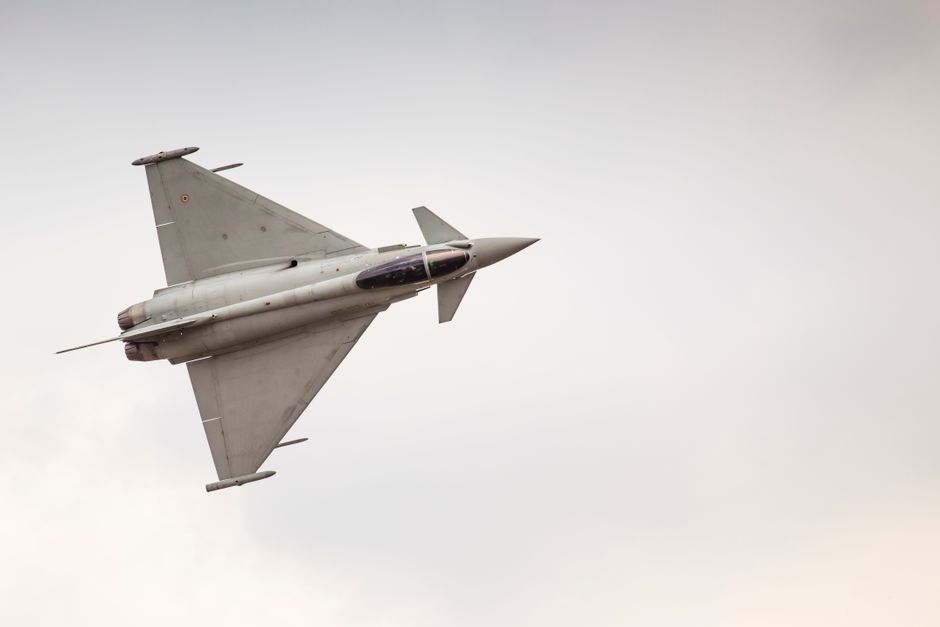
On Sunday July 26, a Romanian F-16 fighter jet shot down a drone over the Black Sea just five minutes after it entered Romanian airspace. The jet brought it down safely over Romanian waters. A senior NATO military spokesperson, Martin O'Donnell, said the drone appeared to be Russian. Romania's Foreign Ministry summoned (officially called in) Russia's ambassador that same day. The Sunday shootdown capped off a 72-hour sequence that started on Friday, when an F-16 downed a drone at 9:40 a.m. local time over the Black Sea. That was the first such engagement Romania had ever carried out. It was also the first time any NATO country shot down a drone that entered its own airspace.
The drone shot down on Friday was a Shahed model — a kind of self-destructing drone that Russia uses in its war against Ukraine. Romania's President Nicușor Dan cited an investigation confirming this. He said it is "unacceptable and intolerable" for Russia to keep violating Romania's airspace. Because Romania is a member of both NATO and the European Union, its airspace is also allied airspace. Defense Minister Radu Miruță and Foreign Minister Oana Țoiu are overseeing the government's response.
Before this weekend, Romania had let many drones enter its airspace without shooting them down. What changed? Two things. First, Romania's parliament passed a law in 2025 allowing the military to shoot down drones that enter national airspace. Second, at the end of June 2026, Romania set up a new US-made system called Merops — an AI-powered tool designed to detect and stop drones. The three successful intercepts over the weekend suggest the new system is now up and running.
The stakes are real for ordinary people. In May 2026, a drone crashed into an apartment building in Galați, a Romanian city near the Ukraine border, injuring two people. Romania had already summoned Russia's ambassador once on April 25, 2026, after a Russian drone carrying explosives entered Romanian airspace, and again on May 29, 2026, after a Russian drone crashed on Romanian soil. The Foreign Ministry has also called in the ambassador over provocative behavior, including an article titled "NATO barking at" that was posted on the Russian Embassy's own website.
Other countries near the Ukraine conflict have shot down drones since the war began in 2022. What makes Romania's case different is that Romania belongs to NATO — a military alliance of 32 countries that promise to defend each other. When someone violates Romania's airspace, they are also violating NATO airspace. But NATO has not invoked Article 5 — the part of the NATO treaty that says an attack on one member is an attack on all. Instead, NATO has used diplomatic protests and extra air patrols.
The broader context here is that Russia's drone attacks on Ukraine keep spilling into neighboring countries. Romania sits right across the Danube River from Ukraine's Odessa region, which Russia strikes often. The Shahed-136 drone can fly about 2,500 kilometers and is hard to spot on radar. Its flight path can drift into Romania whether on purpose, because of wind, or because someone jams its GPS with fake signals.
For NATO planners, Romania's decision to shoot rather than just track the drones is a shift from watching to acting. NATO's military headquarters has previously said that individual countries can defend their own airspace under their own rules. Romania's 2025 law put that authority into national law. The question now is whether other countries near the conflict — Poland, the Baltic states, Finland — will start shooting down drones too if the incursions continue.
The diplomatic relationship between Romania and Russia has gotten worse. Three ambassadorial summonses in about three months — April, May, and July 2026 — all over drone incidents, have not changed Russia's behavior at all. The Russian Embassy's "NATO barking at" article suggests Moscow is not backing down in words either. Romania's options beyond shooting down drones and filing protests are limited. It can ask NATO for a stronger joint response, request more NATO air defense on its territory, or push the EU for sanctions (economic penalties meant to pressure a government). But none of these tools work quickly.
What is still unresolved is the question of rules: when is it worth the risk to shoot down a drone? Romania acted within its own laws and under NATO's stance that countries may defend their airspace. But every shootdown carries risks — a drone could be misidentified, debris could hurt someone, or Russia could retaliate against a NATO target. The fact that Sunday's intercept happened over water, not land, may have been a way to reduce that risk. Whether the next drone follows the same pattern, or whether Russia changes its flight paths to avoid Romania entirely, will tell us whether this weekend was a one-time line crossed or a new normal.