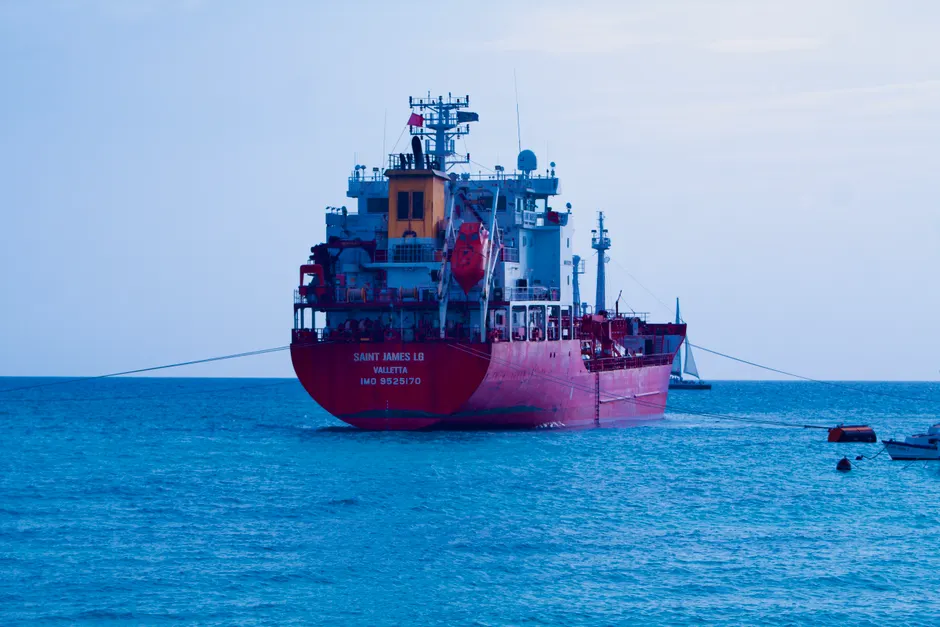
Why Yemen's Warning About Houthi Control of Red Sea Shipping Matters for the Whole World
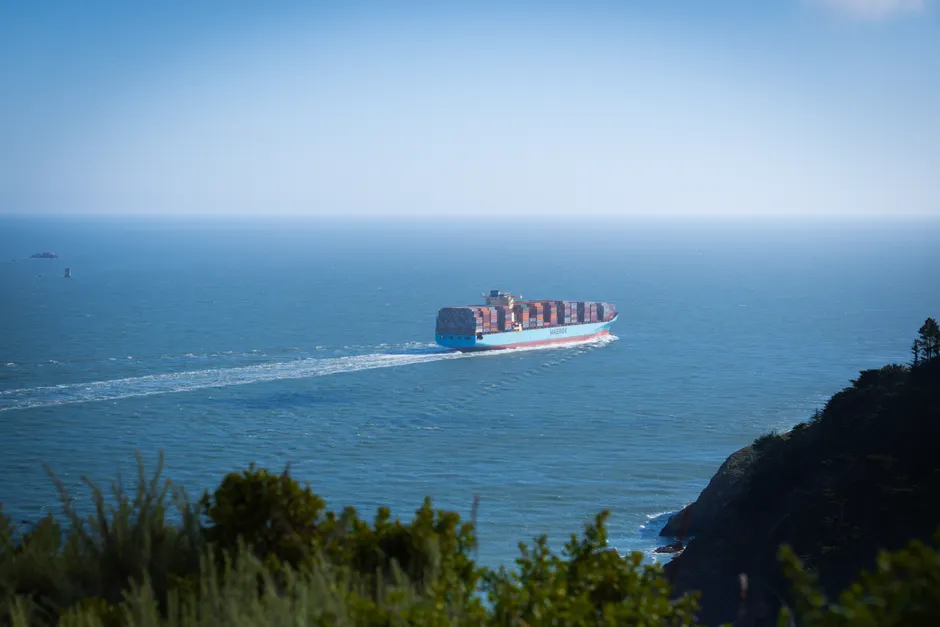
Yemen's foreign minister-designate Afrah al-Zouba warned on 28 July 2026 that the Houthis are trying to copy Iran's strategy for controlling shipping in the Strait of Hormuz by taking control of shipping in the Bab al-Mandeb Strait. If they succeed, she said, two of the world's most important narrow waterways for trade could be shut down at the same time.
Here is what that means in plain terms. A "strait" is a narrow passage of water connecting two larger bodies of water. Ships carrying goods around the world have to pass through these narrow points because there is no other route. The Strait of Hormuz sits at the entrance to the Persian Gulf. The Bab al-Mandeb Strait sits at the southern entrance to the Red Sea. Iran has long used its position near Hormuz to pressure countries that rely on Gulf shipping. Al-Zouba said the Houthis, who are backed by Iran, want to do the same thing at Bab al-Mandeb.
Speaking to journalists at the Yemeni embassy in Riyadh, al-Zouba said the Red Sea shipping route has no equivalent alternative, unlike Hormuz where traffic can, at considerable cost, be rerouted, according to Al Arabiya and MarineLink reporting on 27 July (Al Arabiya; MarineLink).
The remarks, covered by Al Jazeera on 28 July (Al Jazeera), were public comments to journalists rather than an exclusive interview. Al-Zouba said the Houthis have been emboldened by what she characterized as an insufficient international response to their activities at sea. She stated that Yemen's internationally recognised government is prepared for further escalation and acknowledged that fire was being exchanged along front lines, though she said no offensive had been launched.
The warning comes amid the most significant escalation in Yemen since a UN-brokered truce was agreed to in 2022. Earlier in July 2026, the Houthis declared a maritime siege on Red Sea shipping to and from Saudi Arabia and launched missiles and drones at the kingdom. Riyadh responded with air strikes on the Houthi-held port city of Hodeidah, reported by Al Jazeera on 24 July (Al Jazeera). Nearly 20 fighters from both sides died in clashes around Hodeidah during that period. The UN Special Envoy for Yemen expressed alarm over the escalation following the Houthi attacks in the Red Sea, according to a UN statement published on 25 July (UN News).
The economic stakes are substantial. Approximately 30 percent of global container traffic and 12 to 15 percent of overall global trade transits the Red Sea. Al-Zouba's core argument is that Houthi dominance at Bab al-Mandeb, combined with Iran's established position at Hormuz, would give a single network of actors the ability to block the gateways into both the Gulf and the Red Sea.
The UN Security Council's structure reflects the dual-track nature of the crisis. As of July 2026, the United Kingdom holds the pen on Yemen, while Greece and the United States serve as co-penholders on the Red Sea crisis specifically, according to the Security Council Report's monthly forecast (Security Council Report). A "penholder" is the country responsible for drafting resolutions and guiding negotiations on a given issue. The Houthi group operates its own self-styled Foreign Ministry that issues public statements, complicating the diplomatic landscape; al-Zouba's remarks in Riyadh represent a counter-narrative from the internationally recognised government, whose Ministry of Foreign Affairs and Expatriates maintains its official presence at mofa-ye.org.
The human cost of the broader conflict casts a long shadow over the current escalation. An estimated 377,000 people died in Yemen between 2015 and early 2022, the majority from indirect impacts of the war including famine and disease rather than direct combat. The 2022 truce had held, however imperfectly, and the July 2026 escalation is its most serious rupture.
The broader context here is that al-Zouba's framing does two things. First, it links the Houthi maritime campaign directly to Iran's Hormuz strategy, signaling that Yemen's government wants the international community to treat Red Sea disruptions not as a Yemen-specific problem but as part of a broader Iranian plan. That framing is designed to draw in countries that might otherwise see the Yemen conflict as a regional matter. Second, her emphasis on the absence of an alternative route for Red Sea shipping sets the Bab al-Mandeb threat apart from the Hormuz precedent. Where Hormuz traffic can be rerouted at considerable cost, al-Zouba is arguing that the Red Sea corridor cannot. Whether that claim holds up under scrutiny matters for how urgently maritime nations respond.
The geography she invokes is worth noting for its implications. If both straits were effectively under the influence of a coordinated actor or allied actors, the backup plan that global shipping relies on, using one corridor as a hedge against disruption in the other, would erode. Think of it like a city with two bridges across a river. If one closes, traffic can still cross on the other. But if both shut down, there is no way across. That is the scenario al-Zouba is asking governments to take seriously.
For now, the situation on the ground remains one of escalation short of a full offensive. The government says it is prepared. Front lines are active. The UN has sounded its alarm. The question is whether the current surge burns out as previous flare-ups have, or whether it hardens into a sustained campaign that reshapes the maritime threat picture in both the Red Sea and the Gulf.