A Big Earthquake Hit Japan: What Happened and What We Know So Far
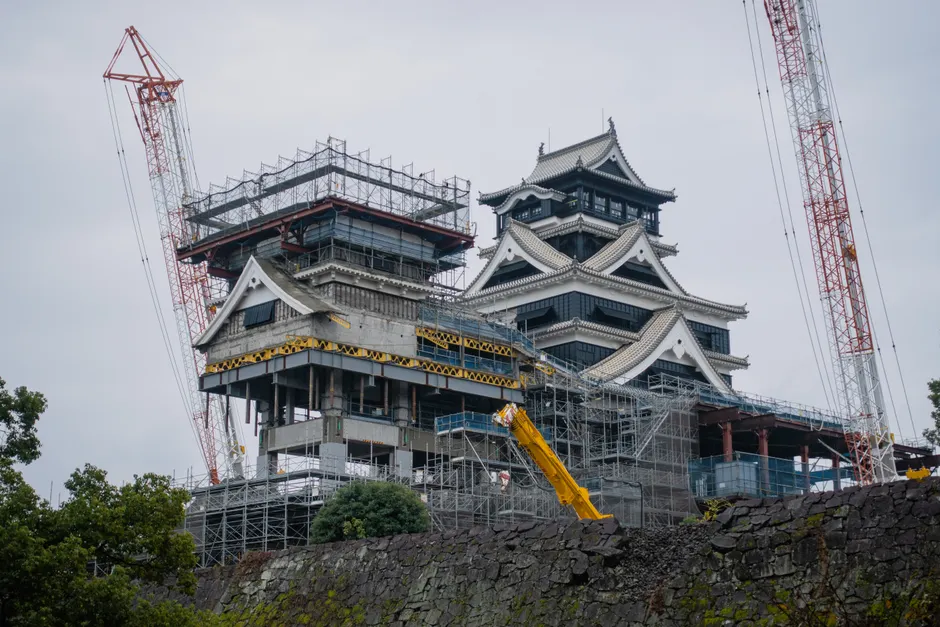
A powerful earthquake struck Japan's Kyushu island at 4:27 in the afternoon local time on July 28, 2026. It injured several people and led to evacuation orders for more than 150,000 residents, according to BBC News.
The earthquake's center was inland, meaning on land rather than out in the ocean. Japan's weather agency issued a tsunami warning right after the quake but lifted it within an hour. A tsunami is a series of large ocean waves caused by underwater shaking. The fact that the warning was so short suggests that scientists did not expect a lasting tsunami threat from this particular quake.
One of the most worrying developments was that people were trapped inside the Aeon Mall in the city of Kumamoto after the earthquake, according to officials. Some reports mentioned an explosion at the mall, but the cause and extent of any blast are still unclear. It is not yet confirmed whether a gas line burst, part of the building failed, or something else caused the reported explosion.
The evacuation orders affecting over 150,000 people show how seriously officials took the threat. Japan has one of the best-prepared earthquake response systems in the world, built from decades of hard experience. Residents were sent to designated shelters while workers checked buildings and watched for aftershocks, which are smaller earthquakes that often follow a big one.
Several injuries were reported, though the full count is still being figured out. In earthquakes this size, injury numbers often go up in the hours that follow, as rescue teams reach areas that were cut off and secondary problems like fires or landslides become clear.
To understand why this happened, it helps to know that Japan sits on the edge of several giant pieces of the Earth's crust that slowly grind against each other. Think of it like plates sliding around on a table, occasionally catching and then lurching forward. Kyushu, in southwestern Japan, is close to where several of these plates meet, making it one of the country's more earthquake-prone areas.
Because this earthquake happened on land rather than under the sea, it was less likely to cause a major tsunami. That matches the quick lifting of the warning. But an inland quake of this strength can still cause serious damage to buildings, especially older ones or those built on soft soil that shakes more intensely.
The Aeon Mall incident will likely get close attention. Large commercial buildings in Japan are built to strict earthquake-resistant standards. Reports of trapped people and a possible explosion raise questions about whether the building itself failed, or whether something like a burst gas pipe was to blame. Kumamoto suffered a devastating earthquake in 2016, which led to stricter building rules. How buildings held up in this quake will help Japan keep improving those standards.
The emergency response is still in its early stages. Shelters are taking in displaced residents, and checking critical infrastructure will take days. The full extent of the damage is not yet known, especially around the mall. The quick lifting of the tsunami warning is a good sign for coastal safety, but the inland effects, including the mall emergency and the injuries already reported, are the main focus for emergency workers right now.


