New Bill Would Require Self-Driving Car Companies to Coordinate With Emergency Responders
Rep. Kevin Mullin (D-Calif.) on Tuesday introduced a bill that would require the federal government to set basic safety standards for self-driving car companies, specifically around how they work with emergency responders. TechCrunch
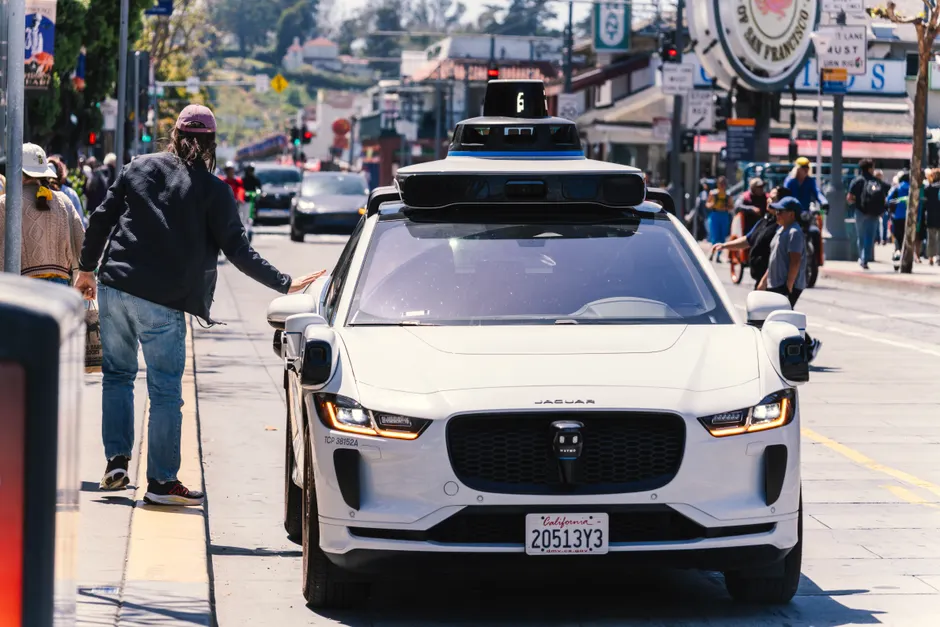
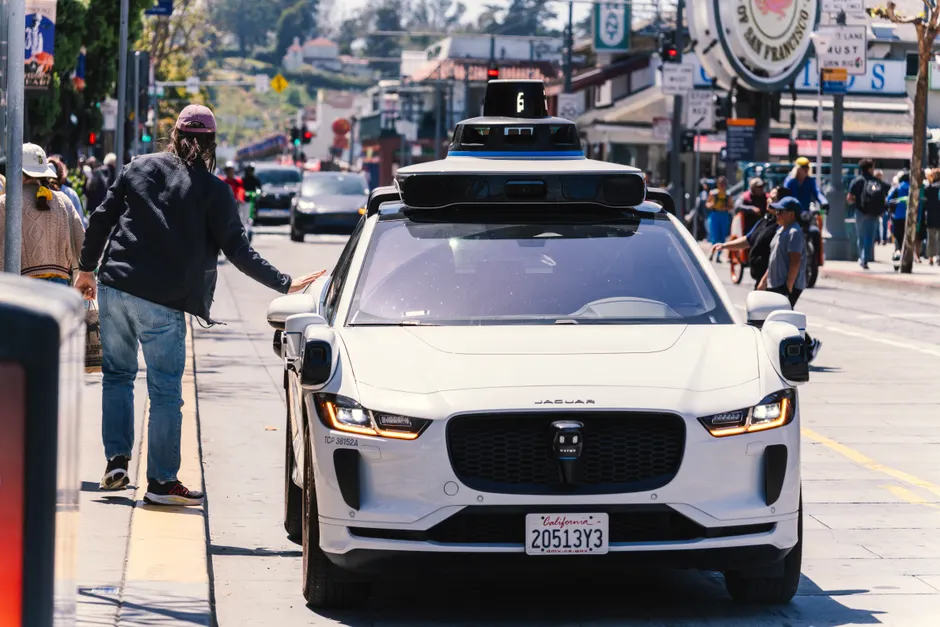
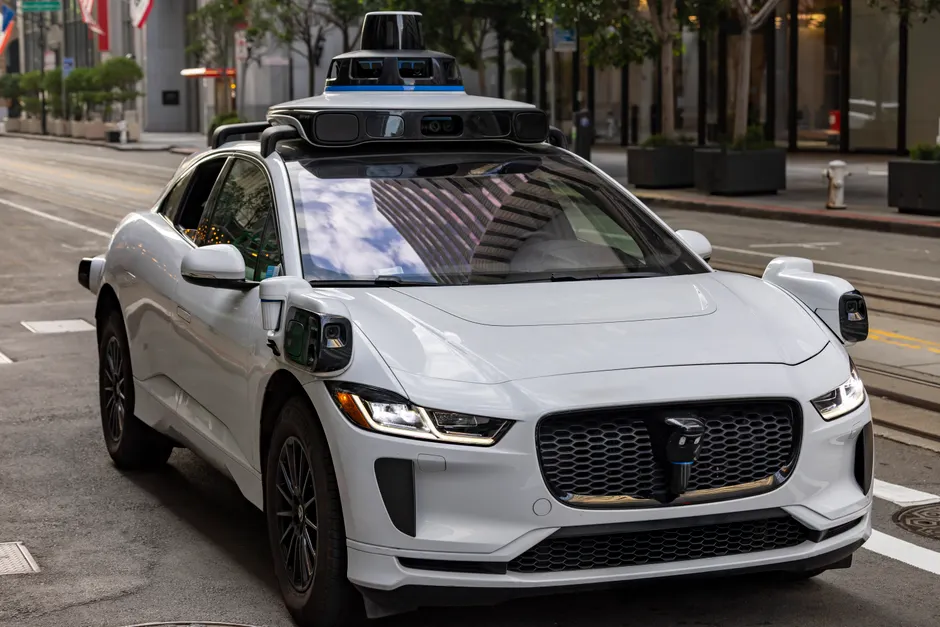
The bill was announced at a press conference in San Francisco, where Mayor Daniel Lurie, Fire Chief Dean Crispen, and Cathy Chase, president of Advocates for Highway and Auto Safety, all spoke in support. The choice of San Francisco is no accident — the city has been a testing ground for self-driving cars, and local emergency crews have run into real-world problems when those vehicles interact with fire trucks, ambulances, and police during active incidents.
The bill directs a federal agency called the National Highway Traffic Safety Administration (NHTSA) to create minimum national standards for how self-driving car companies must coordinate with emergency responders. It also includes two specific requirements. First, AV companies would need to give first responders clear instructions on what to do when one of their vehicles is involved in an emergency. Second, they would have to set up a 24-hour phone line so public officials can reach a company representative at any time — someone who can remotely steer the car away, redirect it, or shut it down.
A third part of the bill would let public officials use geofencing — a technology that uses GPS to create virtual boundaries — to block self-driving cars from operating in certain areas during emergencies or safety hazards. Self-driving car companies already use this kind of technology to decide where their cars are allowed to drive. The bill would give that same power to local officials during emergencies, something they cannot currently do under federal rules.
Right now, there is no national standard for how self-driving car companies must work with first responders during emergencies. The federal government has mostly asked companies to report data and follow voluntary guidelines. States and cities have made their own rules, but the patchwork means requirements vary from place to place.
San Francisco has been at the center of this issue. The fire chief speaking at the bill's announcement reflects situations where self-driving cars created complications for emergency crews responding to active incidents. The bill would create a national baseline, so that the same rules apply everywhere — not just in the cities where these vehicles already operate.
The involvement of Advocates for Highway and Auto Safety, a consumer safety organization, adds a broader coalition to the effort. Mayor Lurie's participation signals support from a city with direct, ongoing experience dealing with self-driving cars on its streets.
The bill is still just a proposal. It would need to pass both the House and Senate and be signed into law by the president before anything takes effect. After that, NHTSA would need to write the actual rules, a process that could take years.
In this author's view, the bill is a reasonable response to a situation where technology has moved faster than the rules around it. Self-driving cars are already on public roads in several cities, and the people who respond to emergencies need clear ways to manage them when something goes wrong. The question is whether the legislative process can move quickly enough to matter, given how fast the industry is evolving.