Why the UK's Top Gardening Charity Might Move Its Hydrangeas North
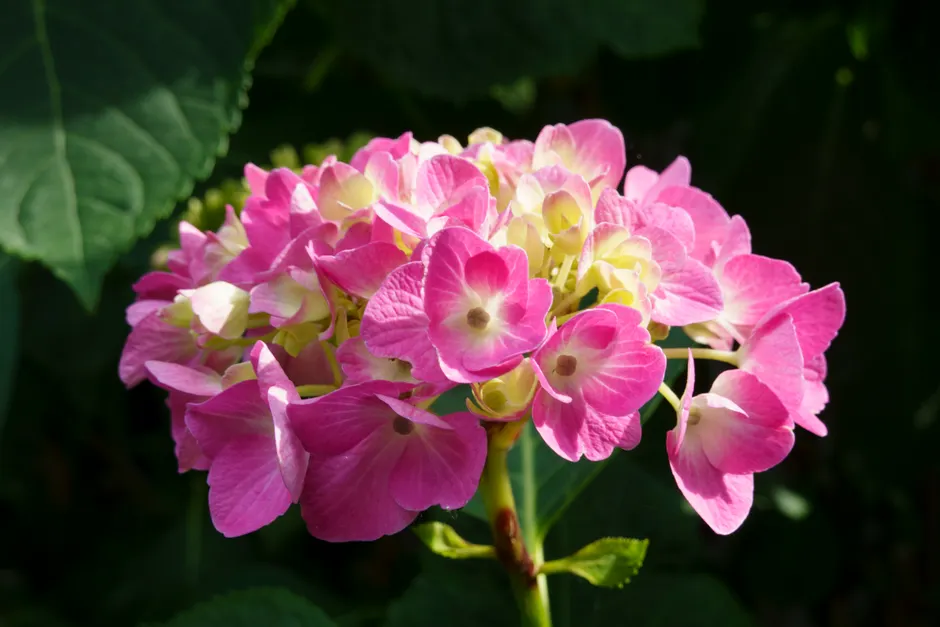
The Royal Horticultural Society (RHS), Britain's largest gardening charity with over 600,000 members, has warned that hotter summers and heatwaves are damaging hydrangeas across southern England. The organisation is now thinking about moving its hydrangea collection from its main garden in Wisley, Surrey, to sites further north in Greater Manchester and North Yorkshire. The Guardian
The numbers tell the story. Since 2023, calls to the RHS gardening advice service about heat and drought damage to hydrangeas have more than tripled. Hydrangeas went from being the seventh most-asked-about plant for heat damage to the first. They are still the most reported plant suffering from high temperatures in RHS data for 2026.
Guy Barter, the RHS's chief horticulturist, said the types hit hardest are Hydrangea macrophylla — the round, fluffy mophead hydrangeas and the flatter lacecap varieties. These struggle most in sunny spots and in the sandy soil found at Wisley. A different type, Hydrangea paniculata, which has cone-shaped flower clusters, has handled the heat better. Barter said hydrangeas "remain a fantastic plant for summer flowers in light shade, north-facing slopes, or moister soil." Tim Upson, the RHS's director of gardens, agreed: hydrangeas in shadier positions cope far better during long hot, dry spells than those in full sun.
The idea of moving the collection north comes from a trial that ran from 2021 to 2025 at the RHS's Bridgewater garden in Greater Manchester. The plants faced a string of extreme weather. In 2022, summer temperatures neared 40°C. Later that year, a mild, wet autumn was followed by a sudden temperature plunge to -8.5°C. Heavy rain in 2024 and more hot weather in 2025 also damaged plants and disrupted their blooming.
The possible move is part of a bigger reshuffling of RHS plant collections across its garden network. The society plans to send its rhododendron collection to Harlow Carr in North Yorkshire, while Wisley's rhododendron and gooseberry collections would move to Bridgewater in Salford. The logic is straightforward: some plants now grow better further north, while plants that prefer warm climates are increasingly able to grow in southern England. Fig and almond trees are doing well in RHS gardens, and banana and lotus plants have flowered at Harlow Carr — something thought impossible a decade ago.
For home gardeners, the RHS suggests moving potted hydrangeas into partial shade during extreme heat, watering deeply rather than in small, frequent amounts, adding mulch (a layer of material on top of the soil) to keep moisture in, and moving sun-exposed plants to cooler, shadier spots in autumn.
The broader context here is about climate changing where plants can grow. The RHS is essentially running a real-time experiment across its five gardens, shifting collections to places where they can thrive. The tripling of hydrangea inquiries since 2023 shows that home gardeners are dealing with the same heat-stress problems the RHS sees at its own sites. What is not yet clear is whether northern gardens will be a safe haven over the long term, or whether the RHS is simply buying time. The trial at Bridgewater, after all, faced both record heat and a sharp winter freeze — and extreme weather is not limited to the south.