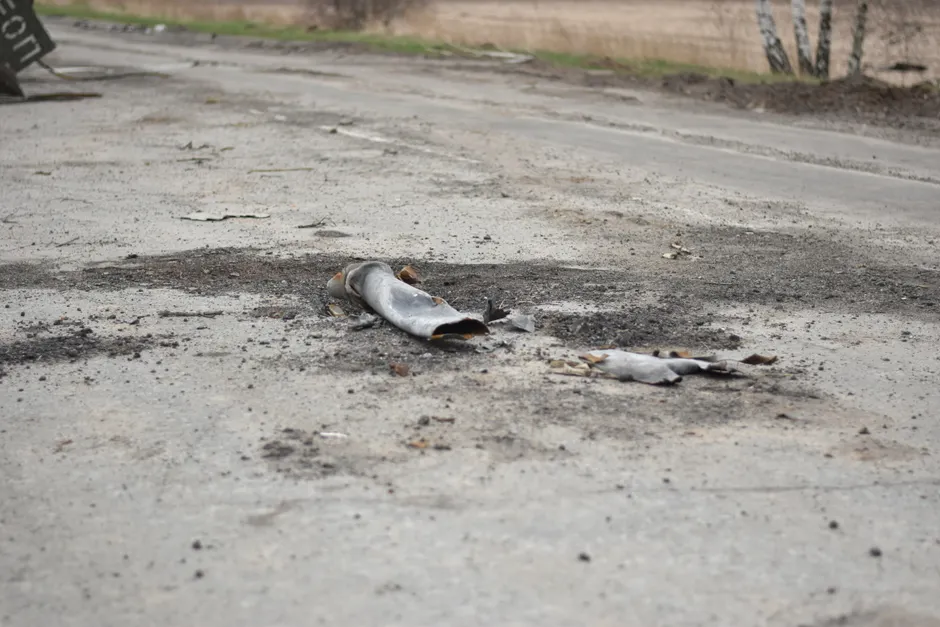
What Happened When Russia Hit Ukraine With 70 Missiles and 280 Drones in One Night

Russia launched 70 missiles and over 280 drones in an overnight attack on Ukraine on July 30, 2026, according to Ukrainian President Volodymyr Zelensky. The Independent. At least 14 people were killed across the country, including one person in Kyiv, the capital, Al Jazeera reported.
The attack was unusually large in both the number of weapons used and the mix of different types. Many of the 70 missiles were ballistic. A ballistic missile flies high into the sky and then comes down on its target very fast, making it much harder to stop than slower weapons. Zelensky said one type, called the Iskander-M, was responsible for the death in Kyiv. Ukraine's air defenses — the systems meant to shoot down incoming weapons — managed to intercept more than 260 drones, Zelensky said. But he also said Ukraine has a critical shortage of air defense capabilities. CNN. Even though Ukraine stopped a large number of drones, many weapons still got through, and people died in multiple cities.
Different news outlets reported different death tolls in the first hours after the attack. The Kyiv Independent reported at least 8 killed and 38 injured. Al Jazeera later raised the death toll to 14. The Associated Press had reported on July 19 that Russian attacks using missiles, drones, and bombs killed at least six people and wounded dozens in Kyiv and other cities. AP. Those earlier AP numbers appear to come from a different, earlier wave of strikes, not the July 30 attack.
The July 30 attack did not come without warning. Zelensky had said on July 29 that a Russian attack was coming. Al Jazeera. But knowing an attack is coming and being able to stop it are two different things. When large numbers of ballistic missiles are involved, defenders may have only minutes or seconds to react.
Poland, a neighboring country and NATO member, scrambled fighter jets in response to the attack, Reuters reported. This is a routine step NATO takes when Russian missiles or drones fly near Polish airspace. It reflects the Alliance's concern that weapons from these large-scale attacks could accidentally cross into member countries' territory.
The broader context here is how the air war has been changing. Russia has been using drones and ballistic missiles together in coordinated overnight strikes more and more over the course of 2026. The pattern works like a one-two punch: first, the cheaper and slower drones are sent in large numbers to use up Ukraine's supply of interceptor weapons; then the faster, harder-to-stop ballistic missiles follow to hit targets left exposed. Zelensky's mention of a "critical shortage" of air defense is the most important signal in his statement. It means Ukraine's ability to shoot down incoming weapons is being worn down over time, as each large attack drains supplies that are not easily replaced.
The difference in casualty numbers between early and later reports is also worth understanding. The Kyiv Independent's count of 8 dead was likely put together while the attack was still underway. Al Jazeera's count of 14 came later, after rescue teams had more time to search through debris. In fast-moving situations like this, death tolls almost always start low and rise as the full picture becomes clear.
For NATO planners, Poland's decision to scramble fighter jets is a standard precaution, not a sign of escalation. But these scrambles have happened more often as Russian attacks have grown larger. Each time, the same question comes up: at what point does a neighboring country shift from simply watching the skies to actively shooting down weapons? That line has not been crossed yet. But the pressure on it is building, little by little.