Xiaomi's First Electric Car Goes Very Far on a Single Fill-Up
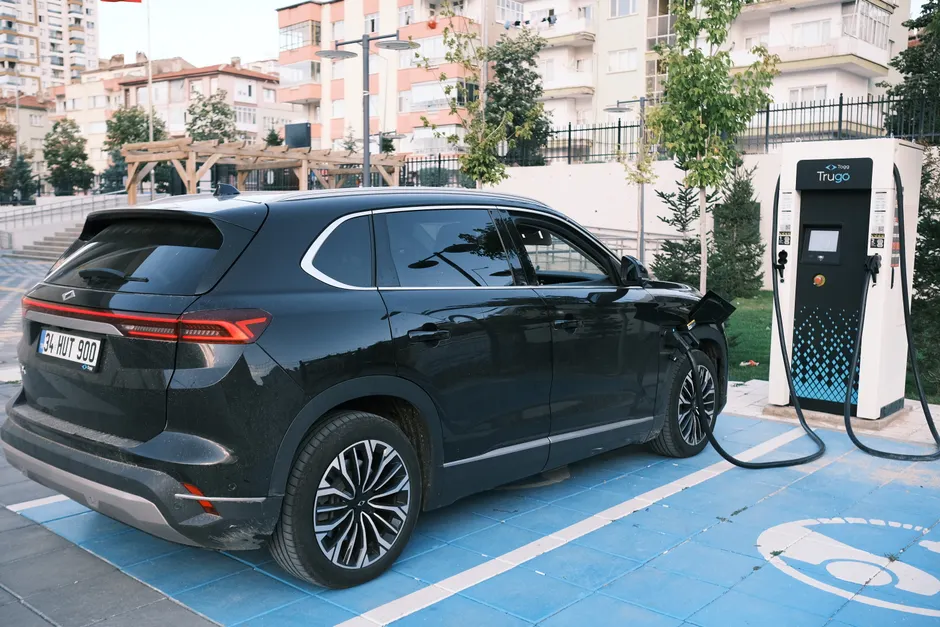
Xiaomi has unveiled its first electric vehicle, the SkyNomad N90 Max, alongside two smaller models called the SkyNomad N70 and N70 Max. The N90 Max had been on display at Xiaomi's Industrial Park in Beijing before the official launch event Reuters.
The N90 Max claims a range of over 1,705 km, or roughly 1,059 miles The Verge. That is one of the highest range numbers for a vehicle of its type. The N90 Max is an extended-range electric vehicle, meaning it runs on battery power like a normal electric car but also carries a small gas engine under the hood. That engine does not drive the wheels; it acts as a generator to recharge the battery while you drive, so you are less dependent on finding a charging station on long trips.
The vehicle comes in five-seat and seven-seat versions, with the seven-seat version arranged in a 2+2+3 layout c.mi.com. Both smaller models, the N70 and N70 Max, are five-seaters that use the same technology platform as the N90 Max The Verge.
The N90 Max interior is designed for spending time inside the vehicle, not just driving it. The front seats can rotate 180 degrees to face the back. The center armrest slides out to become a small table. The second-row seats recline fully with footrests, similar to what you might find on a long-haul flight. Some models include a fridge and speakers built into the ceiling The Verge.
The body uses what Xiaomi calls an Armor-Cage Body Structure, made from ultra-high-strength steel rated at 2200MPa across 16 critical areas c.mi.com. That rating measures how much force the steel can take before bending, and it is near the top of what is used in production cars today.
A Camping Edition of the N90 Max adds a pop-up roof, a bed platform on top, a point to attach a tent, and a detachable table The Verge. Combined with the rotating seats and slide-out table inside, the Camping Edition turns the vehicle into something closer to a mobile living space than a typical car.
Launching three vehicles at once, all built on the same shared platform, tells you something about Xiaomi's approach. The company is not testing the water with one model. It is building a whole family of cars, which in the auto industry means the cost of developing the shared technology gets spread across multiple vehicles at different prices.
The decision to use extended-range technology across the board is a deliberate choice. Fully electric cars face two ongoing problems: charging takes time on long trips, and chargers are not always available outside cities. The onboard gas generator solves both, though it adds mechanical complexity and produces some emissions. By making this the standard for the entire SkyNomad lineup, Xiaomi is signaling where it sees the biggest customer base.
The cabin features are worth a closer look. Rotating front seats are not a new idea, but they are rare in production cars because they make crash protection and seatbelt mounting more complicated. The combination of a slide-out table, fully reclining rear seats, a fridge, and ceiling speakers describes an interior built for time spent parked or camping rather than just for driving comfort.
The Camping Edition's pop-up roof and bed platform put it in a small but growing group of electric camper vehicles built by the manufacturer rather than modified after purchase. That matters because when a vehicle is designed from the start with camping in mind, the structural and electrical systems can be built to handle that use safely.
The broader context here is a Chinese electric vehicle market where dozens of companies are competing on features and price. Xiaomi's advantage is not any single number but the overall package: a 1,705 km range claim, a cabin built for spending time in, a factory camping version, and three models sharing one platform. Whether the range figure holds up in independent testing, and whether the rotating seats and pop-up roof pass regulations in other countries, will determine how far this lineup travels beyond China.
In my view, the rotating seats and camping features say more about Xiaomi's thinking than the headline range number. Range claims for extended-range vehicles are harder to verify in standard testing because the gas generator adds variables that pure electric cars do not have. But a cabin designed for stationary use tells you something concrete about how Xiaomi expects people to use these vehicles: as places to be, not just a way to get somewhere.