What's Happening With the Ebola Outbreak in Congo and Uganda

An Ebola outbreak has killed nearly 1,000 people in the Democratic Republic of the Congo (DRC) since May 2026, and it has also spread into neighboring Uganda. It is now the second-deadliest Ebola outbreak ever recorded.
Ebola is a serious, often deadly disease caused by a virus. It spreads through direct contact with bodily fluids of someone who is sick or has died from it. There are several types of the Ebola virus, and this outbreak is caused by one called the Bundibugyo species. On 17 May 2026, the World Health Organization (WHO) declared this outbreak a Public Health Emergency of International Concern, which is the highest global alert WHO can issue, signaling that the outbreak threatens multiple countries and needs a coordinated worldwide response (WHO).
At the time of that declaration, there were eight lab-confirmed cases and 246 suspected cases across DRC and Uganda. The numbers grew fast. By 19 May 2026, Reuters reported 131 deaths in eastern Congo, with 26 new suspected deaths recorded in just the previous 24 hours (Reuters). The U.S. Centers for Disease Control and Prevention (CDC) estimated the outbreak may have actually started in mid-to-late February 2026, weeks before anyone confirmed it (CDC).
By early June 2026, the CDC reported 378 confirmed cases and 63 confirmed deaths across both countries. Most were in DRC (CDC MMWR). By mid-June, the three affected provinces in eastern DRC had 782 confirmed cases and 181 deaths (Reuters). By about 23 June 2026, WHO said over 1,000 people had been infected and 267 had died. WHO also said this outbreak had more cases in its first month than any other Ebola outbreak on record (Reuters).
The numbers kept climbing. When deaths passed 500, the DRC had confirmed 1,561 cases including 506 deaths. WHO called it the worst-ever outbreak of the Bundibugyo species (Reuters). As of 22 July 2026, Al Jazeera reported nearly 1,000 deaths, noting it took about eight months to reach that number (Al Jazeera). CDC data current as of 27 July 2026 showed more than 100 deaths in the first week of July alone (CDC).
In Uganda, health officials reported 20 confirmed cases and two deaths as of 17 July 2026 (ECDC). WHO published a detailed update on the outbreak across both countries that same day (WHO). WHO's Africa office kept tracking the situation, with data current as of 26 July 2026 (WHO AFRO).
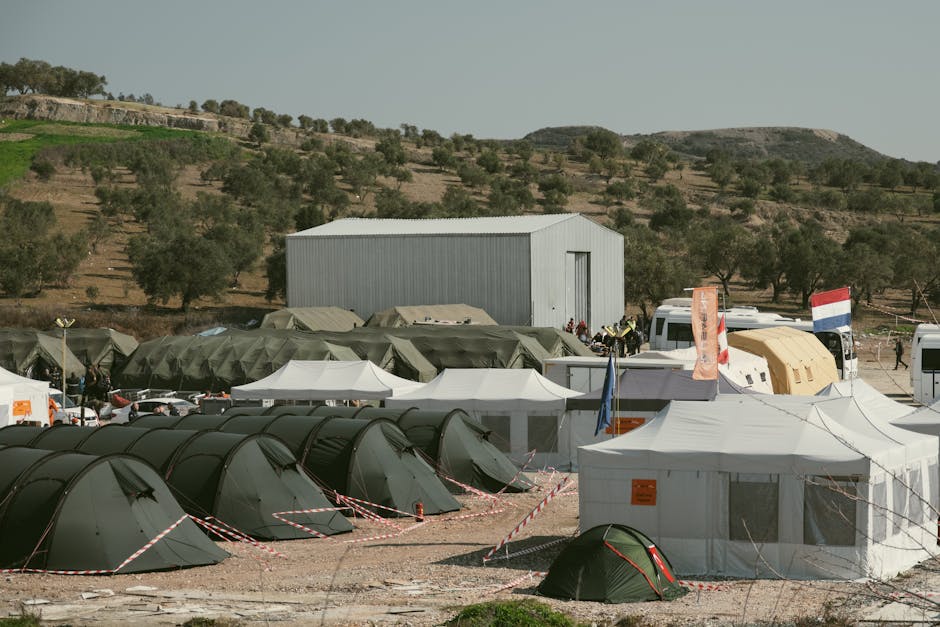
The outbreak also reached displacement camps in Ituri province, in eastern Congo. These are crowded shelters where people who fled violence are living close together with limited clean water and medical care. Around 19 June 2026, Reuters reported at least 30 people had died with Ebola symptoms at one camp, and Ebola deaths had already been recorded at another camp in the same province (Reuters).
For comparison, the worst Ebola outbreak ever recorded was in West Africa from 2014 to 2016, in Liberia, Guinea, and Sierra Leone. It caused 28,600 cases and 11,325 deaths (Africa Center for Strategic Studies). The 2018–2020 outbreak in eastern DRC, caused by a different Ebola species called Zaire ebolavirus, killed nearly 2,300 people and was previously the second-deadliest on record (Reuters). Nature magazine described that outbreak as the world's second-deadliest at the time (Nature). Now, multiple outlets including ABC News and Al Jazeera say the current outbreak has passed it to become the second-deadliest in history (ABC News).
The broader context here involves several important details. The Bundibugyo virus is different from the Zaire ebolavirus that caused both the 2014 West Africa outbreak and the 2018–2020 DRC outbreak. Outbreaks from Bundibugyo virus have usually been much smaller, so the current numbers are unusual for this species. WHO's statement that this outbreak had the highest first-month case total of any Ebola outbreak on record means the virus spread faster in its early weeks than in previous outbreaks, including the 2014 West Africa epidemic that ultimately killed more than 11,000 people.
The spread through displacement camps raises questions about whether the usual methods for containing Ebola work well enough in places where people are displaced by conflict, security is poor, and health systems are weak. AP News has connected this outbreak to a longer debate about whether African countries should have more control over their own health responses, rather than relying on international aid and outside organizations (AP News). The CDC's finding that the outbreak likely started weeks before it was confirmed also suggests gaps in early detection.
With data current as of late July 2026, the Bundibugyo outbreak is now on a scale similar to the 2018–2020 eastern DRC outbreak, though still far below the 2014 West Africa catastrophe. The fact that it spread across the border into Uganda adds a layer of complexity that the 2018–2020 outbreak, which stayed mostly within DRC, did not have.