The 2026 US-Iran War: What's Happening and Why It Matters
On July 28, 2026, the US military announced that American and Saudi Arabian forces had carried out joint strikes against Iran-backed fighters in Iraq. This widened a war that had been going on for six months. The very next day, Iran attacked and threatened ships in the Strait of Hormuz, a narrow channel between countries where about one-fifth of the world's oil passes through. Reuters reported that the joint US-Saudi operation could pull more Middle Eastern countries into a conflict that had already involved direct fighting between the United States and Iran since around February 2026.
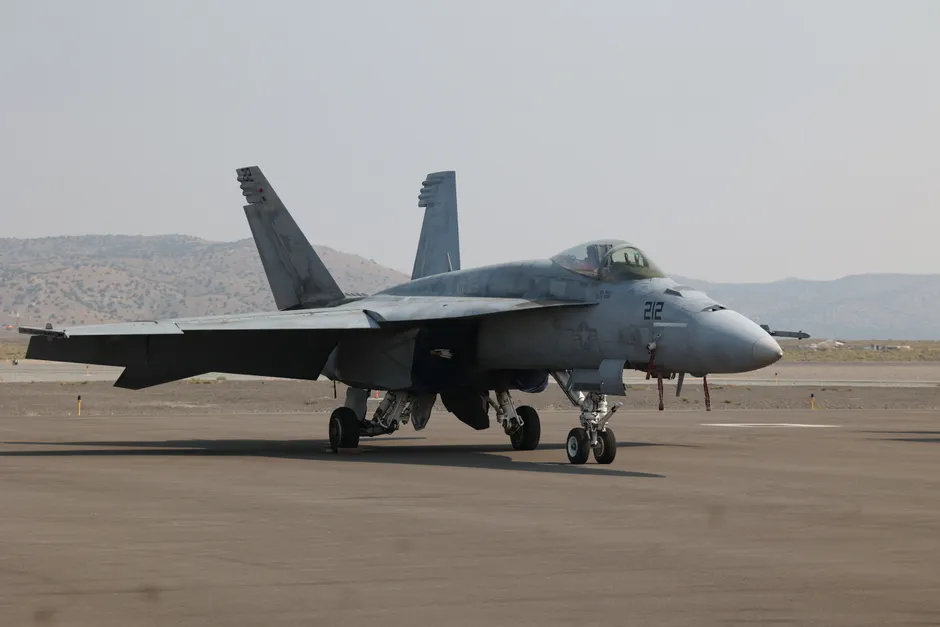
The war started on March 1, 2026, when President Trump launched a military campaign called Operation Epic Fury. The White House said the goal was to "crush the Iranian regime" and "end the nuclear threat." The first phase included an overnight strike on three Iranian nuclear sites. Defense Secretary Pete Hegseth and Chairman of the Joint Chiefs of Staff Dan Caine publicly praised the strike as a success. The Pentagon later reported that strikes inside Iran had given US forces control of the skies in that area, making it safer for American troops deployed nearby.
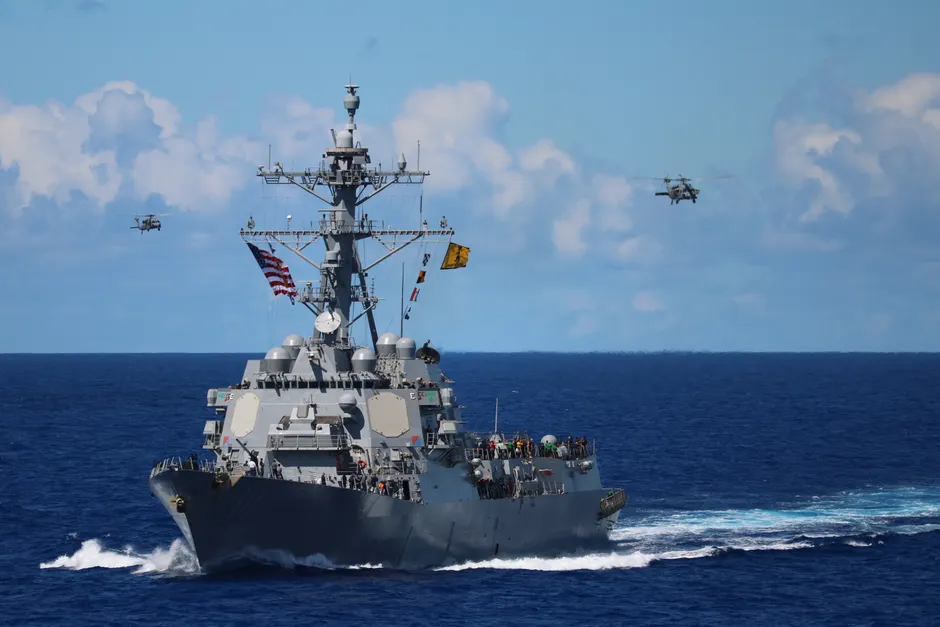
By early July, the attacks had become a nightly routine. On July 7, US forces started striking targets inside Iran, including missile launch sites and air defense systems. By July 18, the US was striking Iran for the 10th night in a row, including an attack on Hormozgan province in southern Iran. The count reached 12 consecutive nights, then 13 on July 24. These strikes were meant to weaken Iran's ability to threaten ships passing through the Strait of Hormuz.
Iran has fought back in several ways. Around mid-July, Iran attacked a commercial tanker in the Strait of Hormuz. On July 13, Iran fired missiles at Qatar, a country that had been trying to mediate, or help negotiate peace, between the two sides. Then on July 29, Iran again threatened and attacked ships. As of July 10, the US and Iran were firing at each other more and more across the Middle East. By July 27, both sides were launching large numbers of missiles at each other, and hopes for a quick resolution were fading. A summary published by Britannica on July 30 also confirms that US and Israeli forces began military operations as part of the 2026 Iran war.
Back in the US, the White House took steps to stop Congress from ending American involvement. It released official statements opposing two pieces of legislation: S.J.Res. 180 and H.Con.Res. 89, both of which would have directed the removal of US forces from the conflict against Iran. These documents, released in late July, made clear the administration's intent to keep the campaign going.
The administration has pointed to an event from March 2023 to help justify its stance. In that incident, an Iranian drone attack killed an American contractor and wounded five US service members and another contractor. The White House cited this in March 2026 as part of what it called the Iranian regime's decades of terrorism against American citizens.
The broader context here is that this conflict has grown far beyond a simple two-country fight. Saudi Arabia is now directly involved as a partner in Iraq, and Israeli forces are part of the operations too. Qatar, which had been trying to calm things down, became a target. The Strait of Hormuz, through which roughly a fifth of the world's oil supply travels, is now a zone of ship attacks and naval harassment. Mediators made some progress in late July toward getting the US and Iran back to the negotiating table to prevent an all-out Middle East war. But those efforts are happening against a backdrop of nightly strikes, missile exchanges, and a standoff between Congress and the president over who has the power to decide whether the country goes to war.
What happens next depends on whether diplomacy can move faster than the fighting. The administration has shown no sign of slowing down operations. Congress has not managed to force a withdrawal. Iran's attacks on ships and on a mediator country suggest it is choosing to escalate rather than back down. The big question for both policymakers and financial markets is whether weakening Iran's military will change its leadership's thinking, or whether each new strike and counterstrike pushes the region closer to a wider war.