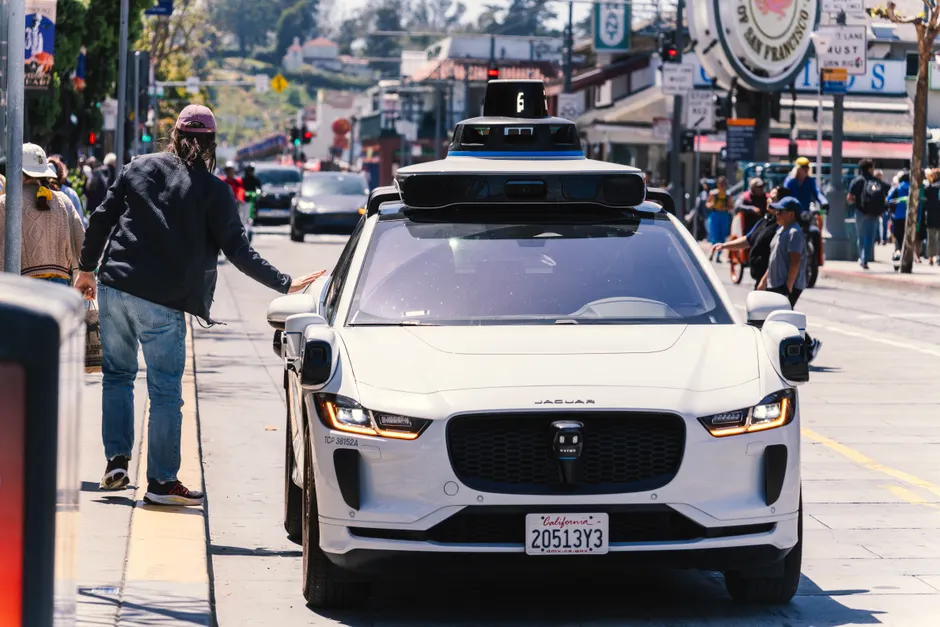
Waymo Is Building Custom Robot Taxis With Geely — Here's Why That Matters

Waymo Is Building Custom Robot Taxis With Geely — Here's Why That Matters
Waymo, the self-driving car company owned by Google's parent company Alphabet, has partnered with Geely, a Chinese carmaker, to create a purpose-built vehicle for autonomous ride-hailing. Instead of taking a regular car and retrofitting it with self-driving technology, they're designing a vehicle from the ground up to be a robot taxi. The Waymo-Geely partnership marks a shift toward vehicles purpose-built for autonomous taxi service rather than adapted from consumer cars.
The new vehicle, called the Zeekr, is fully electric and designed specifically for transportation-as-a-service — meaning it's optimized for running as a shared taxi, not for personal ownership. Waymo plans to add these vehicles to its Waymo One fleet, which currently operates autonomous ride-hailing services in Phoenix, San Francisco, Los Angeles, and Miami. The new vehicles should arrive in U.S. cities over the coming years.
Why Build From Scratch?
Until now, Waymo has taken existing cars — like the Chrysler Pacifica minivan — and added self-driving technology to them. That approach works, but it creates problems. A regular car isn't designed to have cameras, radar, and LIDAR sensors (that's a sensor that bounces laser light off objects to see them) placed all over it. Retrofitting these systems is complex and expensive, and it can create weak points where the self-driving system might fail.
By designing a vehicle with Geely from the start, Waymo can place sensors in the optimal spots. The layout is optimized for 24/7 operation, maintenance efficiency, and passenger comfort — all things that matter more for a taxi than for a car someone owns. The vehicle is also all-electric, which means lower fuel costs and less maintenance over time compared to gas engines, especially important for a vehicle that runs constantly rather than sitting in a garage.
The Real Economics
Building a custom vehicle sounds expensive, but it often saves money in the long run. When you drive a vehicle for 200,000 miles a year instead of 15,000 miles a year, things like engine durability and maintenance costs start to dominate your budget. Electric motors have far fewer moving parts than gas engines, so they break down less often. The custom design also means fewer expensive modifications after the car is built.
This move reflects a pattern we have seen before. Ride-hailing companies like Uber and Lyft started by letting regular people use their own cars to earn money. As they grew, they realized that using purpose-built fleet vehicles made much more economic sense. Waymo is following the same path now that it has moved beyond the testing phase into actual commercial service.
The Technology Side
The self-driving "brain" that Waymo has developed — called Waymo Driver — includes cameras, sensors, artificial intelligence software, and decision-making algorithms that let the car operate without a human driver. Integrating this into the Zeekr requires careful coordination between Waymo's software and Geely's vehicle systems, power management, and safety features.
Waymo has millions of miles of real driving data from its existing service in four cities. This data helps the company train and improve its self-driving software before deploying new vehicle types. Different cities have different traffic patterns, weather, and rules, so all this data makes the technology more robust.
Waymo hasn't announced exactly when these new vehicles will start carrying passengers, only that it will happen "in the years to come." That makes sense given the need for further testing, regulatory approvals, and ramping up manufacturing.
The Bigger Picture
Multiple companies are racing to deploy autonomous taxis — including Cruise (owned by General Motors), Aurora, Baidu, and WeRide. Waymo's partnership with Geely gives the company access to serious manufacturing expertise and potentially opens doors in international markets. For Geely, working with Waymo is a way to enter the high-stakes autonomous vehicle business alongside one of the world's most advanced self-driving operations.
The bet here is that cities will move toward shared autonomous vehicles rather than everyone owning their own self-driving car. That shift would reshape urban transportation entirely, and multiple analysts believe autonomous ride-hailing will arrive before privately owned self-driving cars become common.
Waymo's current four cities each provide different testing grounds. Phoenix offered simpler driving conditions and good weather to prove the technology works. San Francisco and Los Angeles add difficulty — dense traffic, pedestrians, and variable weather. Miami adds yet another regulatory and driving culture to learn from. Each new location gives the self-driving system more real-world scenarios to practice on.
The purpose-built vehicle strategy positions Waymo to eventually expand beyond its current pilot cities, but that will only happen if the service proves both economically viable and acceptable to regulators in many different places. The automotive industry has a long history of underestimating how hard autonomous vehicle deployment turns out to be, and a custom vehicle is helpful but only one piece of a much larger puzzle.
What this partnership ultimately shows is that Waymo has evolved from a research project into an actual transportation business. When you make that shift, you start optimizing for manufacturing efficiency, reliability, and profit — the same things that matter to every transportation company. A custom-built vehicle is how you do that at scale.