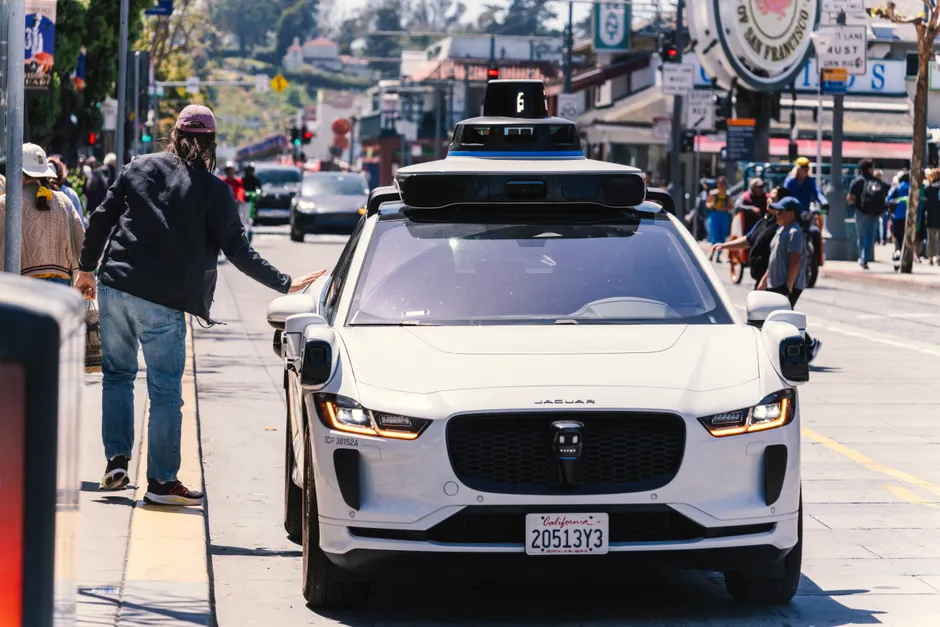
How Waymo Built a Self-Driving Car Over 17 Years

How Waymo Built a Self-Driving Car Over 17 Years
Waymo, owned by Google's parent company Alphabet, has been working on self-driving cars since 2009. That makes it one of the longest-running autonomous vehicle projects in the world. For nearly seventeen years, the company has been refining its technology through different generations of cars, changing laws, and shifting market conditions.
What Waymo's Cars Actually Use
Waymo built its fleet of self-driving cars using Chrysler Pacifica minivans. In January, the company agreed to buy thousands more of these vehicles to expand operations. Each minivan is packed with sensors that can detect objects hundreds of yards away in every direction — roughly the length of three football fields. This wide view of the road is essential for a car to drive itself safely.
At the core of this sensor system is lidar technology, which Waymo developed in-house. Lidar works by sending out laser pulses and measuring how long they take to bounce back, creating a detailed map of everything around the car. Because this technology was so valuable, Waymo sued Uber over claims that the company stole secret information about how Waymo's lidar works. This lawsuit showed how important these sensors are to building a working self-driving car.
By 2018, Waymo felt confident enough to start testing its cars in multiple cities, not just one. This expansion was a big step — it meant the company believed its technology could handle different kinds of traffic and road layouts, not just the specific streets where it had been testing.
Real-World Safety Numbers
When Waymo and a competing company called Cruise ran self-driving cars in San Francisco, the real-world data told a story. Together, they had 102 crashes while driving roughly 6 million miles without a human behind the wheel. San Francisco is a difficult place to test: steep hills, unpredictable traffic, and strict regulators all make it harder for self-driving technology to prove itself.
These numbers matter because they show what can actually happen when you put autonomous vehicles into dense, complicated city driving. The crashes happened, but they also accumulated millions of miles of data that helped engineers understand where the technology still needs improvement.
The Competition and Long Development Times
Multiple companies are racing to build working self-driving cars. Waymo's CEO has publicly said that Waymo's system would have handled some accidents that happened to other companies' vehicles more safely. These kinds of claims reflect how competitive the industry has become.
The broader context here is worth pausing on. Waymo's long development timeline — nearly two decades — has given it something valuable that newer companies don't have: an enormous amount of real-world driving data. Every mile driven, every weather pattern encountered, and every unusual situation on the road gets recorded and fed into the system's learning process. That's a powerful advantage. At the same time, starting development seventeen years ago also means some of Waymo's original system design is now older technology, and adapting those foundations to newer, faster computing tools takes time.
We have seen this pattern before in technology. The personal computer industry in the 1980s followed a similar arc: years of small improvements, then a shift toward mainstream adoption once the core technology felt reliable enough. Autonomous vehicles appear to be in that transition now, moving from pure research toward actual commercial use.
Building for Multiple Cities
Choosing Chrysler Pacifica minivans as the standard vehicle made practical sense. Using the same car everywhere means Waymo can install sensors the same way every time, train safety operators consistently, and keep maintenance simple. This standardization saves money and reduces mistakes.
But expanding to multiple cities introduces new challenges beyond just driving. Each city has different traffic rules, different road conditions, and different ways that emergency services work. A self-driving system that works perfectly in San Francisco might need adjustments for Phoenix or another city. Building a system flexible enough to adapt to these differences is one of the hardest parts of scaling up.
The lidar sensors on Waymo's cars can see farther than human eyes can. A person driving a car at highway speed needs about 400 feet to stop safely. Waymo's sensors can detect objects well beyond that distance, giving the car more time to react. This is one of the clearest ways that autonomous systems can actually be safer than human drivers.
How the Technology Has Evolved
Waymo started in 2009, before smartphones were everywhere and before cloud computing and artificial intelligence were mature technologies. Over seventeen years, the company has rebuilt parts of its system multiple times as computing got faster and machine learning got smarter. Each rebuild meant taking advantage of better tools and new discoveries in how to teach computers to recognize objects and make decisions.
All those years of operation also meant Waymo collected more real-world driving data than almost any other company. That data — millions of hours in different weather, different times of day, different traffic patterns — becomes training material for the computer systems that control the car. Newer companies starting today have better artificial intelligence tools and faster computers right from the start, but they don't have years of accumulated experience driving in the real world.
Today's autonomous vehicles exist because several technologies matured at the same time: sensors became smaller and cheaper, artificial intelligence became powerful enough to recognize and respond to complex situations, and cloud computing provided enough processing power to handle the calculations. Waymo has been in the field long enough to benefit from all of these advances, and that staying power has become one of its biggest strengths.