Why Iran Said No to a Cease-Fire — and What Happens Next

Iran has rejected a U.S. cease-fire offer delivered by Iraqi Prime Minister Mohammed Shia al-Sudani, shutting down the latest attempt to pause a war now in its sixth month. The refusal came as the U.S. military finished a "heavy wave" of strikes against Iranian targets — the latest round in a back-and-forth cycle of attacks that has pulled in Iran's allies across the region and disrupted important shipping routes (New York Times, BBC).
A cease-fire is an agreement to stop fighting, usually to allow for negotiations. A "heavy wave" of strikes means a large, coordinated set of military attacks carried out in a short period.
The war began on February 28, 2026, when the United States and Israel launched military action against Iran, according to a Britannica overview published July 29. In April, President Trump said the goals were: stopping Iran from building a nuclear weapon, destroying its missiles, breaking up its network of allied armed groups in the region, and eliminating its navy (Britannica, New York Times). Those are wide-ranging goals. The current situation suggests none of them has been fully achieved.
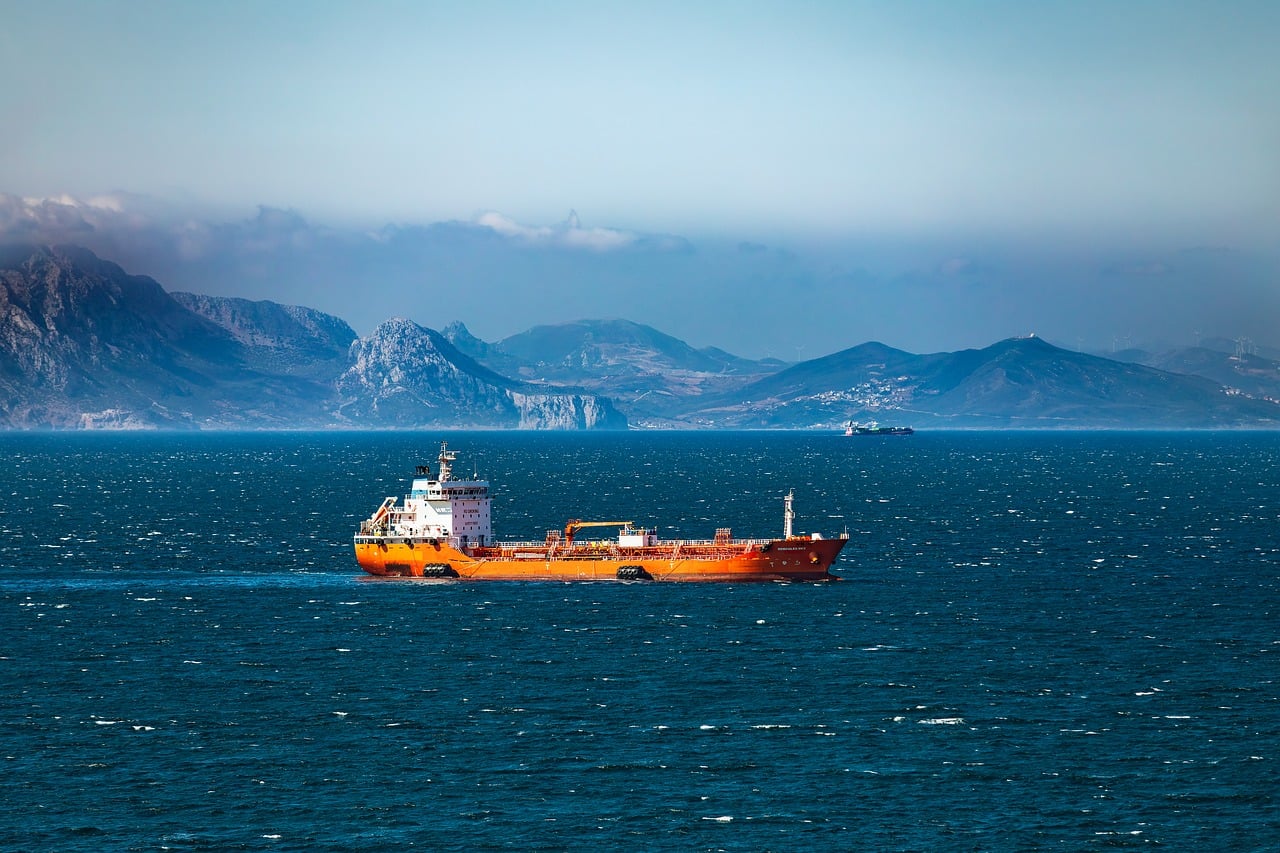
Much of the fighting has happened at sea. The Strait of Hormuz is a narrow strip of water between Iran and Oman through which about a fifth of the world's oil passes every day. Think of it as a highway that nearly all Gulf oil must use to reach global markets. When that highway is blocked or threatened, oil prices and supply chains around the world feel the impact.
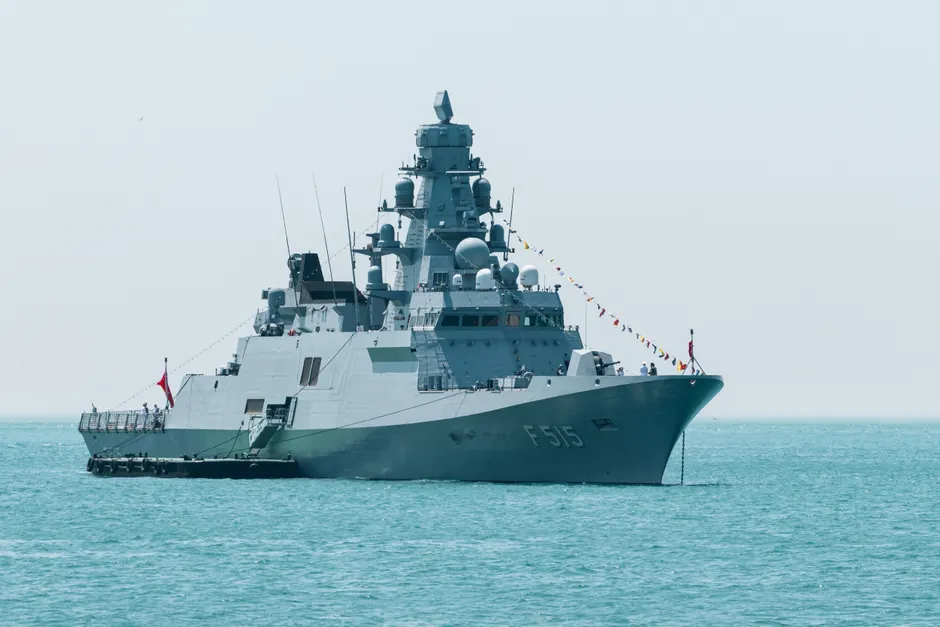
In mid-July, the U.S. struck Iran for a third night in a row after Iran targeted ships in the Strait. This came after a similar incident in May, when Iran fired on U.S. warships in the Strait during what was supposed to be a pause in fighting. By July 15, the U.S. had set up a naval blockade — a military line of ships that stops other vessels from entering or leaving — around Iran's ports. The U.S. also attacked Iran's coastal defenses and missile sites. The most recent strikes, which the U.S. called a "heavy wave," were in response to Iran's attempted ballistic missile attacks on Tuesday (New York Times, New York Times, Reuters, BBC).
The conflict has also spread beyond Iran's borders. A group called the Houthis — armed fighters in Yemen who are supported by Iran — attacked two Saudi oil tankers. This brought the fighting into the Red Sea, a separate shipping route, and put Saudi Arabia's oil infrastructure at risk. In response, President Trump warned of an unprecedented "massive attack" on Iran. He also said the U.S. would use Iranian money it holds to pay for damage to ships or cargo, which means Iranian government funds would be seized and used as a kind of war-reparations account (Al Jazeera).
Diplomatic efforts have not gotten far. In April, Trump said Israel and Lebanon had agreed to extend their cease-fire by three weeks, which briefly raised hopes that tensions might ease more broadly. Iran's rejection of the latest offer, reported on July 27, closed that window. The fact that the message was carried by Iraq's prime minister shows how limited communication is between the U.S. and Iran. The two countries do not have formal diplomatic relations, meaning no official embassies or direct channels, so they rely on other countries to pass messages back and forth (New York Times, New York Times).
The broader context here is that this conflict keeps feeding itself rather than moving toward resolution. Iran's naval harassment and mine-laying, the Houthi attacks on Saudi tankers, and the U.S. blockade of Iranian ports all disrupt the flow of oil through the Gulf. No single cease-fire proposal is designed to fix all of these problems at once. Each strike triggers a retaliation, and each retaliation leaves less room for negotiation.
The asset-seizure plan Trump announced adds a financial layer to the military fighting. By using Iranian funds held by the U.S. to pay for ship and cargo damage, Washington is turning economic tools like sanctions — penalties meant to pressure a country by cutting off its money — into direct war-cost recovery. This increases pressure on Tehran. But it also gives Iran less reason to accept a cease-fire that does not address the seizure of its money.
For governments and energy markets watching this conflict, the big question is whether the latest strikes and blockade will change Iran's thinking or push it further into refusal. The Houthi attack on Saudi tankers shows that Iran's allies can keep the conflict going even when the U.S. and Iran are talking. The failure of Iraq's attempt to broker a deal suggests Iran finds the current terms unacceptable. With Trump warning of a "massive attack" and Iran saying no to the cease-fire, the conflict is entering a phase where escalation looks more like the norm than the exception.