Fighting in Ethiopia's Tigray Region Sends Refugees Fleeing Into Sudan
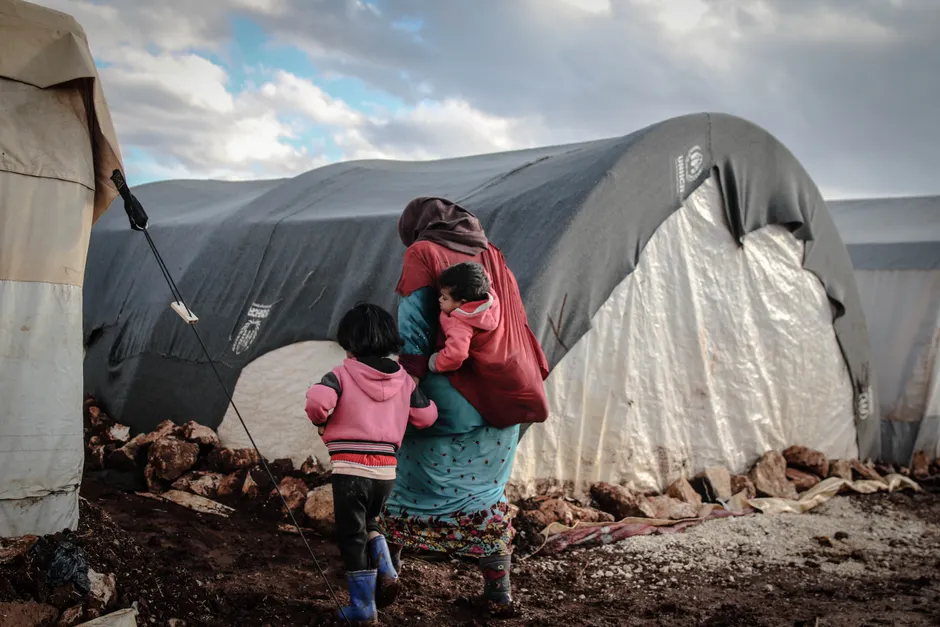
Hundreds of people from Ethiopia's Tigray region, including wounded fighters, have run across the border into Sudan to escape heavy fighting between the Ethiopian national army and Tigray rebels. The clashes, which involved artillery and drones, started early Saturday and mostly ended by Sunday evening, according to Al Jazeera. This fighting breaks a peace deal that had held for three years, raising fears that Ethiopia could return to a civil war that an African Union estimate says killed at least 600,000 people the last time around.
The Tigray rebels say the Ethiopian army started the attack, calling it a "large-scale infantry offensive" and saying the army "intensified its destructive actions," as Al Jazeera reported. Tigray authorities made a similar accusation against the federal government, per Addis Standard. A member of the TPLF, the Tigray rebel group, said on Sunday that the fighting was winding down. Ethiopia Observer reported on August 1 that heavy fighting had broken out near the Sudanese border. Addis Standard, citing AFP, confirmed on August 3 that hundreds fled into Sudan and the clashes ended after a day of fighting.
The TPLF is short for the Tigray People's Liberation Front, a political and military group that represents the Tigray region in northern Ethiopia. The group fought a two-year war against Ethiopia's federal government that ended with a peace deal in November 2022, negotiated in the South African city of Pretoria. That deal stopped the shooting but left major disagreements unresolved, especially over who controls western Tigray, where this new fighting took place.
Both the Ethiopian army and Tigrayan forces had been building up troops along the border for months, each side accusing the other of trying to start a new war. There was no system in place to calm tensions, and the fighting in Shererina, a village in western Tigray, is the first major violation of the Pretoria peace deal.
People living on the Sudanese side of the border reported hearing explosions and gunfire throughout the fighting. Al Jazeera correspondent Osama Sayed Ahmad, reporting from Ad-Damazin, Sudan, said drone or artillery fire caused explosions in several large refugee camps along the border, though it is not yet known how many people were hurt. UNHCR, the United Nations refugee agency, expressed concern about the situation.
The humanitarian impact goes in both directions. UNHCR's ongoing work with Ethiopian refugees returning to Tigray includes providing shelter, clothes, and cash assistance, according to a ReliefWeb report. Sudan had already closed the El Galabat border crossing with Ethiopia after earlier clashes involving Ethiopian forces, as ReliefWeb noted in September 2024. A UNFPA report covering January through March 2026, published in April, pointed to growing insecurity in parts of Amhara and Tigray and more refugees arriving in Gambella, suggesting that the current escalation builds on instability already documented earlier this year.
The broader context here is how fragile the 2022 peace deal has been. The earlier war displaced more than 2 million people and sent over 56,000 refugees into Sudan within its first weeks, according to Reuters. The displacement happening now, while smaller, follows the same route and puts more pressure on Sudan, a country already struggling with its own civil war and a strained system for helping people in need.
The use of heavy artillery and drones, rather than the smaller exchanges you might expect when two armies are just staring each other down, suggests both sides had positioned serious weapons along the border well before the fighting started. Whether the slowdown reported by the TPLF member actually lasts, or whether Shererina turns out to be the first battle in a larger war, will depend on whether the troops still gathered at the border pull back, and whether outside mediators like the African Union can set up a monitoring system that the Pretoria deal never had.
The stakes for the region are immediate. A new Ethiopia-Tigray war would shake the Horn of Africa, a part of East Africa that includes Ethiopia, Sudan, Somalia, and their neighbors, at a time when Sudan's own civil war has already disrupted trade and aid routes. The refugee camps hit by explosions on the Sudanese side of the border are full of people who fled the last round of fighting. Now they are caught in the danger of it starting again.