Russia Hit Kyiv With a Massive Attack — and Ukraine Ran Out of Missiles to Stop It

Russian forces attacked Kyiv and nearby areas overnight on August 5, 2026, using a mix of ballistic missiles, cruise missiles, and drones. At least 17 people were killed. The attack showed that Ukraine does not have enough missiles to shoot down incoming threats Al Jazeera.
President Volodymyr Zelenskyy said Russia fired 24 ballistic missiles, four cruise missiles, and 115 drones. Ballistic missiles travel in a high arc and strike at very high speed, making them extremely hard to stop. Cruise missiles fly low to the ground, like small pilotless planes. By 08:30 local time, Ukrainian air defense units had shot down or disabled 98 of the 115 drones Interfax Ukraine. The drones included several types, such as Shahed, Gerbera, and Italmas. But against the missiles, Ukraine's defenses were not enough. Zelenskyy said the shortage of interceptor missiles — the missiles used to shoot down incoming ones — directly caused the deaths and destruction.
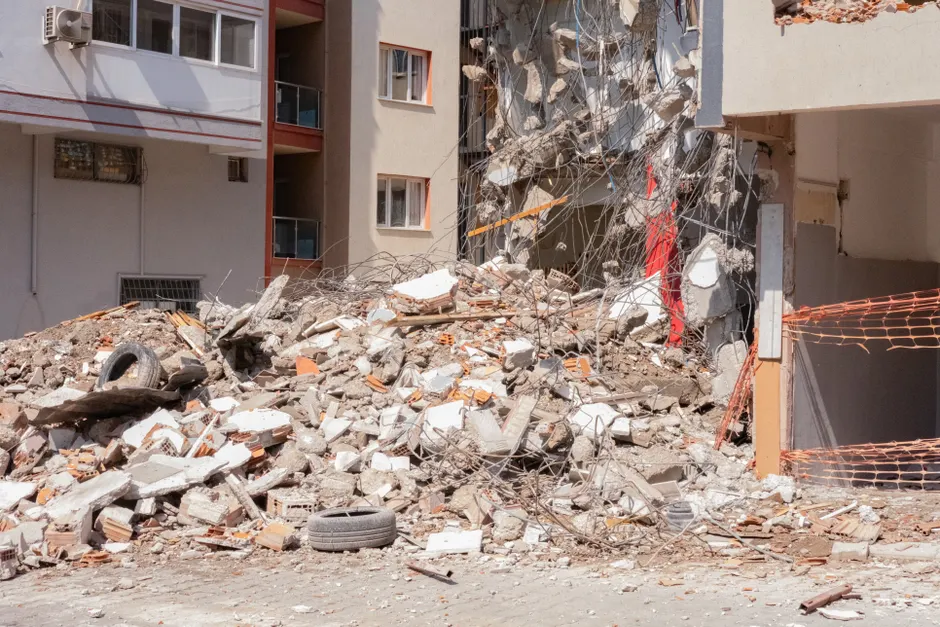
The main targets were civilian warehouse facilities, along with infrastructure and a railway station, according to Zelenskyy. Ukraine's State Emergency Service called it a "massive attack." Warehouses were hit in Brovary, and a fire broke out at a warehouse in Bucha. Serhii Beskrestnov, an adviser to Zelenskyy, said Moscow was deliberately targeting civilian infrastructure. Al Jazeera reporter Audrey MacAlpine reported that Ukrainian authorities told her cluster munitions were used, and that the Epicentr retail store in Kyiv was hit. Cluster munitions are weapons that split open in the air and scatter smaller bombs over a wide area. They are especially dangerous in neighborhoods and shopping districts, and they leave behind unexploded bombs that make cleanup difficult and deadly.
This attack is part of a pattern of increasing Russian strikes on the capital. A Russian missile attack on Kyiv on August 1 killed at least nine people and wounded 33 AP News. Two days earlier, a missile and drone attack across Ukraine killed at least 10 people AP News. On July 11, separate attacks killed six people, and in another incident four people including a child were killed and 17 wounded when two glide bombs struck AP News. A heavy drone and missile attack on Kyiv on July 2 killed at least 21 civilians AP News. The effect of this steady pace of attacks is that Ukraine is using up its interceptor missiles faster than it can get new ones.
Zelenskyy's decision to blame the deaths directly on the interceptor shortage puts pressure on the United States to send more. US President Donald Trump appeared to backtrack on a promise to let Ukraine produce Patriot missile interceptors inside Ukraine Al Jazeera. Patriots are advanced surface-to-air missiles designed to shoot down incoming threats. Reuters reported that US officials are discussing how to refill Ukraine's depleted Patriot stocks. One option would let Ukraine make some parts domestically, with final assembly in Germany. That compromise would keep the most sensitive manufacturing steps on NATO soil while partly meeting Ukraine's request to build its own.
The broader context here is that the United States is stretched thin. Washington has reportedly used up much of its own stockpile of key munitions during the five-month war with Iran, which is currently paused for diplomatic talks Al Jazeera. That conflict created direct competition for the same types of missiles and munitions that Ukraine needs. With the Iran pause holding but no formal peace deal, it is unclear whether US factories can make enough for both.
Ukraine also struck Russian territory during the same period. Regional Governor Dmitry Milyaev said drones hit a Wildberries sorting office in the town of Aleksin in Tula oblast Al Jazeera. The strike on a commercial logistics hub mirrors, on a smaller scale, the kind of targeting Russia used against Ukrainian warehouses.
Looking at what this means for the war, the interceptor shortage is no longer a future concern. It is shaping what happens on the ground right now. Russia's approach appears to follow a clear pattern: flood Ukrainian air defenses with drones to use up interceptor missiles, then fire ballistic missiles at economic and logistical targets once the defenses are stretched thin. The August 5 attack fits that pattern. Ukraine intercepted 85 percent of the drones, which shows the drone-defense layer, relying on electronic warfare and mobile fire teams, still works. The missile-defense layer, which depends on scarce Patriot interceptors, does not.
The proposed plan to make components in Ukraine and assemble them in Germany, if it goes ahead, would take months or years — not weeks. Russia's pace of attacks seems designed to exploit that exact delay. Zelenskyy's decision to publicly blame the interceptor shortage for the deaths is as much a political message to Washington as a military report. The pressure on the Trump administration to clarify its position on Patriot licensing will grow, but that decision is now tangled in a bigger problem: how to divide limited missiles between Ukraine, the Iran conflict, and America's own military readiness.
The human cost keeps rising. The 17 dead on August 5 follow nine killed on August 1, six on July 11, 10 on July 30, and 21 on July 2. Each of these attacks targeted or affected civilian infrastructure. Ukraine's military continues to inflict losses on Russian forces; Zelenskyy said in March that Russia lost more than 92,000 killed and seriously wounded that winter alone, each confirmed by video President of Ukraine. But both sides are now wearing each other down, and Ukraine's ability to keep its skies defended is the area most at risk.