Uber Says Its Waymo Partnership Is Fine — But the Signs Say Otherwise
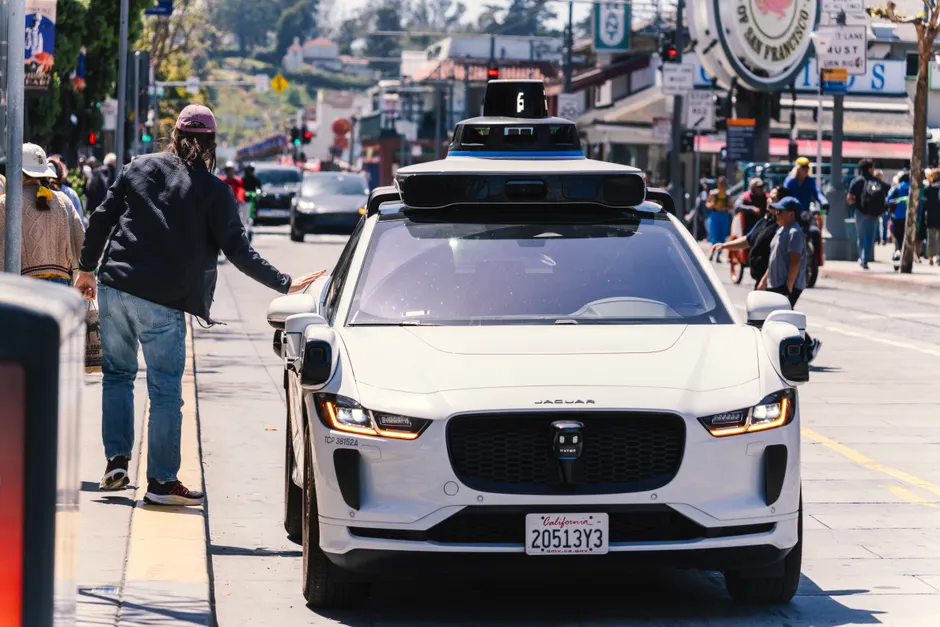
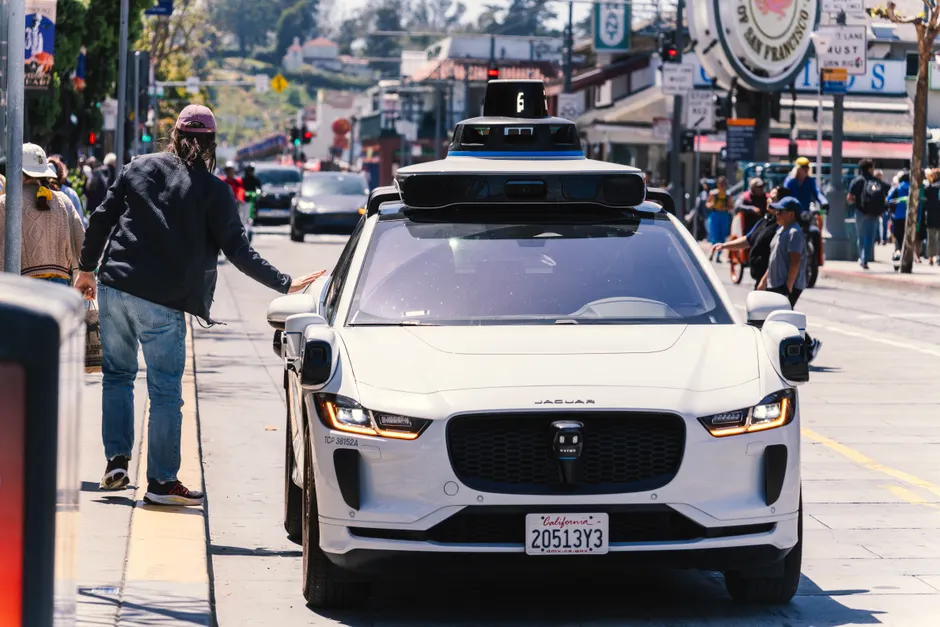
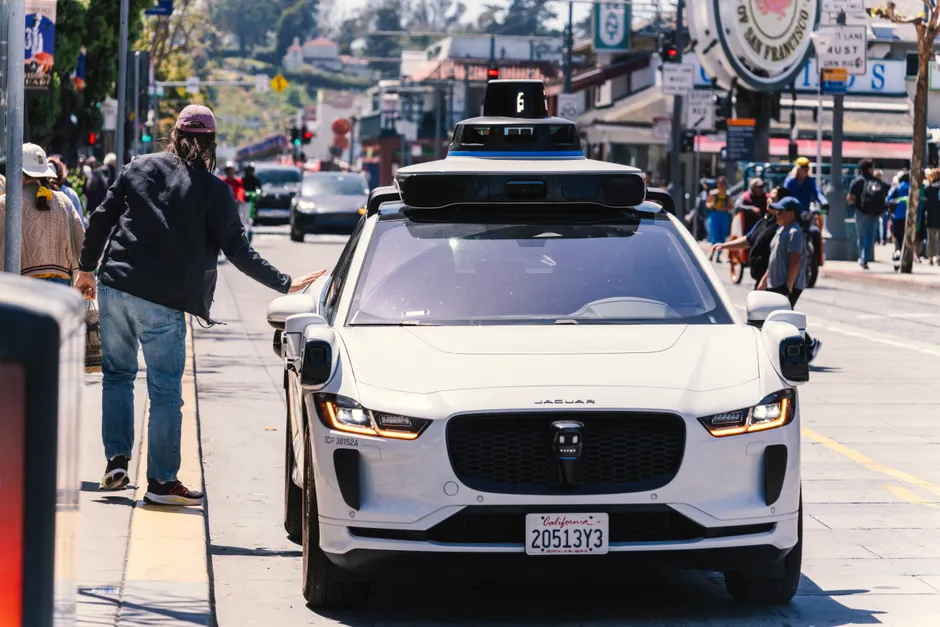
Uber CEO Dara Khosrowshahi told investors on August 5 that the Uber-Waymo partnership remains "very strong" and that the two companies will keep working together in Austin and Atlanta. His remarks came less than two weeks after a Reuters report on July 24 said Waymo was thinking about ending the partnership over operational and commercial problems. That report sent Uber's stock down 4.3 percent in a single day. Reuters
Khosrowshahi brushed off the Reuters report during the call, even as Uber's shares fell again on a weak profit forecast for the coming quarter. At the same time, the company said it plans to spend over $10 billion building its own self-driving taxi business. Reuters
A robotaxi is a taxi that drives itself, with no human behind the wheel. The partnership between Uber and Waymo has already shrunk. The two companies ended their robotaxi partnership in Phoenix earlier in 2026, though Austin and Atlanta continue. Phoenix was where it all started: Uber first announced the partnership with Waymo in mid-2023, offering Waymo's self-driving rides through the Uber app in Phoenix. The companies expanded to Austin and Atlanta in early 2025, with rides available only through the Uber app. The Verge
Khosrowshahi was clear that Uber does not want to rely on a single self-driving partner. The company has partnered with at least six self-driving car companies: Zoox, Wayve, Avride, Nuro, Motional, and Waabi. Think of Uber's approach like a shopping mall that lets many different stores sell through it, rather than signing an exclusive deal with just one. The company sees its main advantage as being the platform where people book rides, not in tying itself to any one self-driving company.
The opportunity is still small today. Khosrowshahi said robotaxi rides make up less than 0.5 percent of Uber's total trips. For context, Uber's full-year 2025 results showed revenue growing 20 percent to $14.4 billion, with gross bookings of $193 billion. Net income included a $5.0 billion benefit from a tax valuation release alongside a $97 million net headwind. Those numbers make clear that self-driving taxis are a bet on the future, not something driving revenue right now.
Uber has also taken its multi-partner approach into the political arena. In July 2026, Uber and Waymo took opposite sides on a Washington, DC bill that would legalize self-driving taxi services. Waymo supported the bill. Uber pushed for a hybrid model that would mix human-driven and self-driving rides, consistent with a white paper the company published favoring that approach over a self-driving-only model. The Verge
The policy split is notable. Uber, which runs a ride-booking platform, arguing for a mixed approach against Waymo, which only operates self-driving cars, is a disagreement that goes beyond business terms. It reflects a deeper difference in how each company sees the shift to self-driving taxis happening, and how quickly human drivers should be phased out.
The broader picture is one we have seen before in technology: the tension between a platform and its partner. Uber is building a marketplace for self-driving rides while funding its own technology and spreading bets across six partners. Waymo has its own self-driving technology and its own app for customers, so it depends less on Uber's platform. The Phoenix exit and the DC lobbying clash suggest the relationship is under real strain, even as Khosrowshahi describes it as strong.
In my view, the question is whether a "very strong" partnership that has lost a major city, faced reports of a possible breakup, and seen the two companies lobbying against each other in the same month can hold together in the cities that remain. The $10 billion commitment gives Uber plenty of time to build its own position. But with self-driving taxis at under half a percent of trips today, the payoff is still far off, and the partnership around it is showing visible cracks.