Taiwan's Drone Companies Go Global: A Strategy to Win Western Markets

Taiwan's Drone Companies Go Global: A Strategy to Win Western Markets
More than 20 Taiwanese drone companies set up shop at a major trade show in Detroit that ended on May 14. This was Taiwan's biggest coordinated push into international drone markets since the companies formed a business alliance in September 2024, according to Focus Taiwan.
What made this moment significant: instead of showing up as separate, competing companies, Taiwan's drone makers came together with a unified strategy. Think of it like a neighborhood of independent restaurants deciding to open a food hall together — more visible, easier for customers to find, and stronger as a group.
Why Taiwan is Getting Into Drones
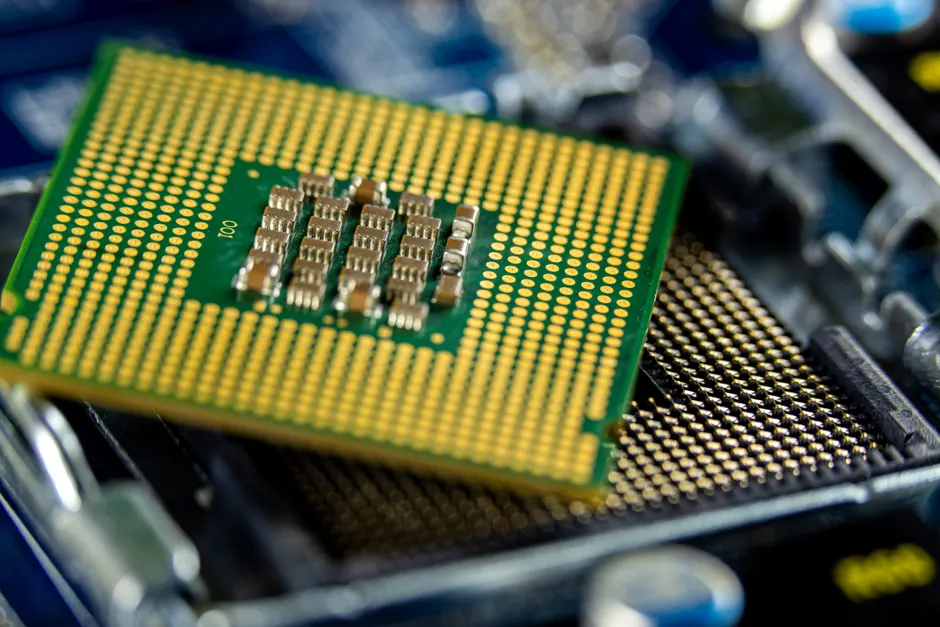
Taiwan has spent decades becoming very good at making tiny electronic components and semiconductors — the brains inside computers and phones. Now the country is using that same expertise to build drones. Taiwan's supply chains are already set up to make the precise sensors, chips, and miniaturized electronics that drones need.
The government helped too. In 2023, Taiwan changed its export rules to make it easier for drone companies to sell internationally, while still keeping a watchful eye on what leaves the country for security reasons.
What the Detroit Show Means
XPONENTIAL is North America's biggest trade show for drone technology. Thousands of companies and buyers go there to see what's new and make deals. Detroit itself matters because U.S. car companies there are starting to use drones — for delivering packages, checking machinery, and testing self-driving technology.
When a company shows up at XPONENTIAL, it's basically saying: "We're ready to do business on a global scale." The show focuses on making sure different drones can work together and follow international rules, both things that matter to serious Western buyers.
Why This Alliance Matters
For years, Taiwan's drone companies worked on their own. This made them weaker against bigger competitors, especially from China and the United States. By forming an alliance in September 2024, they could share costs, work together on standards, and present themselves as one force in the global market.
Shared resources also mean smaller companies can still afford to do research and development while competing internationally — something they couldn't do alone.
The Bigger Picture
Western countries and companies are nervous about buying drones from China. They worry about data security — whether their information could be shared with the Chinese government. They also face restrictions on how many Chinese technology products they can import. This has opened a door for Taiwan.
Taiwan's position is interesting. It has strong relationships with Western democracies, especially the United States. It also has the technical know-how to make competitive products. This mirrors what happened with computer chips: as geopolitical tensions made countries wary of Chinese technology, Taiwan's chip maker TSMC became indispensable.
Commercial First, Defense Second
At the Detroit show, Taiwanese companies focused on civilian uses: drones for farming, inspecting bridges and power lines, delivering packages, and responding to emergencies. They weren't leading with military drones.
This is strategic. Civilian drones face fewer export restrictions than military ones. Yet civilian drones can often be modified for military use if needed — so selling broadly still serves multiple purposes.
Taiwan's Technical Edge
Taiwanese drone makers are competing on quality and precision, not on producing huge volumes. They integrate advanced chips (including those that use artificial intelligence), high-quality cameras, and precise navigation systems. These are things Taiwan's electronics industry already excels at.
Rather than trying to build entire drones cheaper than everyone else, Taiwan is building components and systems that are better — and that plays to its strengths.
What Comes Next
If Taiwan's drone companies succeed at selling into Western markets, it could reshape how countries get their unmanned technology. Instead of choosing between Chinese and American drones, governments and companies could choose Taiwanese ones — a third option from a democratic country.
The real test is whether this alliance approach works. The Detroit show was a proof of concept. If it generates real partnerships and orders, Taiwan will likely do more of this kind of coordinated marketing push. If it falls flat, the companies may revert to competing individually.
Either way, Taiwan's move into drones shows how countries adapt when geopolitical tensions shift. As the West tries to reduce its dependence on Chinese technology, Taiwan's existing strength in electronics gives it a genuine opening — one the government and industry are now trying to seize.