Congo Confirms New Ebola Outbreak in Kasai Province: What You Need to Know

Congo Confirms New Ebola Outbreak in Kasai Province: What You Need to Know
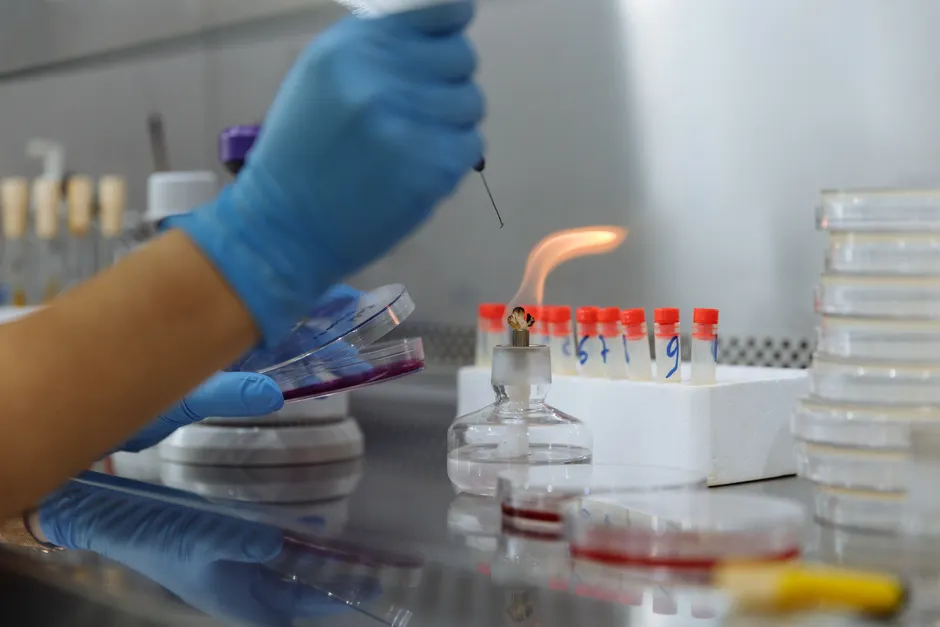
The Democratic Republic of the Congo announced an Ebola outbreak in Kasai Province on September 4, 2025. WHO Africa confirmed 28 suspected cases and 15 deaths so far in two health zones called Bulape and Mweka. Four of those who died were health workers—the people responsible for treating patients.
Lab tests on September 3 identified the strain as Ebola Zaire, the same version that caused a major outbreak in West Africa from 2014 to 2016 and another in Congo's North Kivu region from 2018 to 2020.
How the Outbreak Started and Why It Took Time to Detect
The first patient likely infected arrived at Bulape General Reference Hospital on August 20 and died five days later. But the WHO didn't hear about suspected cases until September 1—nearly two weeks after that first death. WHO's initial assessment shows this delay is common in remote areas. People sometimes wait before going to a hospital because it's far away, costs money, or they first seek help from traditional healers.
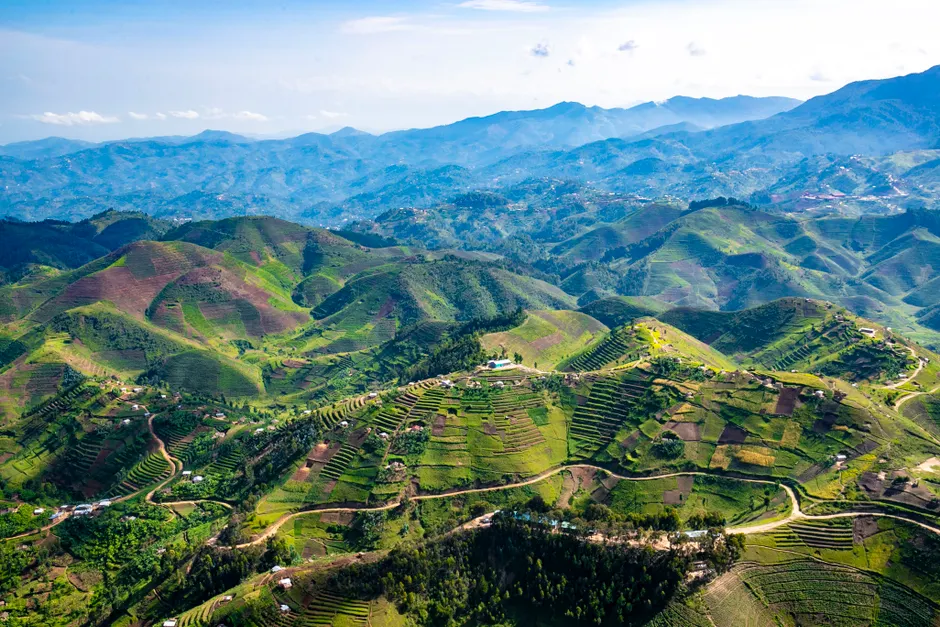
Bulape and Mweka are in south-central Congo, an area where hospitals have limited resources and getting supplies there is difficult. These factors will shape how fast health officials can contain the virus.
Why Health Worker Deaths Are a Red Flag
Four of the 15 people who died were health workers. That's a serious concern for two reasons.
First, it suggests that doctors and nurses treating patients may not have enough protective gear or proper training to stay safe. When Ebola spreads among healthcare workers, it usually means something went wrong with infection control—the steps taken to stop the virus from spreading in hospitals.
Second, each health worker death removes someone essential from the response effort. When healthcare workers get sick or die, the remaining staff may become frightened and less willing to treat Ebola patients. This can slow down the entire outbreak response, because fewer people are available to care for patients, track contacts, and prevent further spread.
The Vaccine Plan
Congo has 2,000 doses of a vaccine called Ervebo stored in the capital, Kinshasa. This vaccine worked well during the last major Ebola outbreak in 2018-2020 and has become the main tool for controlling spread. Health officials use it on people who have been in close contact with someone who has Ebola—a strategy called "ring vaccination."
However, the vaccine requires extreme cold to stay effective. It must be kept between -60°C and -80°C (that's colder than any freezer in a home). Getting the vaccine to Kasai Province and keeping it cold enough during transport will be challenging in an area with unreliable electricity.
The 2,000 doses available are enough to vaccinate close contacts of all current cases—typically 50 to 100 people per infected person. This includes family members and healthcare workers.
Why Congo Sees Ebola Again and Again
Ebola was first identified in Congo near the Ebola River in 1976. Since then, the country has had more than a dozen outbreaks. Congo remains the place where Ebola appears most often in the world.
The country's size, weak infrastructure in remote areas, and political instability have made past responses difficult. But each outbreak has taught officials and health workers something new. The 2020 outbreak in Équateur Province showed that when countries act fast with vaccines, contact tracing, and community trust, they can contain the virus in months instead of years.
What Comes Next
This outbreak is testing whether the lessons from 20 years of Ebola responses in Congo actually work. The virus appeared in a new region—Kasai, not the eastern areas that have seen previous outbreaks. Officials are watching nearby countries carefully to make sure the virus doesn't cross borders, especially along trade routes where people move between Congo and its neighbors.
The African Union's disease control center has activated monitoring across the continent. International agencies like the WHO, UNICEF, and bilateral donors have systems ready to help if the outbreak grows beyond what's currently reported.
Success will depend on three things: deploying vaccines and other proven tools quickly, keeping the community informed and cooperative, and protecting the health workers who are on the front lines. These aren't new ideas—they come from hard experience. But they have to be executed well every single time.