A New Ebola Outbreak in Congo: What Happens Now

A New Ebola Outbreak in Congo: What Happens Now
Congo's government announced a new Ebola outbreak on May 15, 2026. This news comes as health officials around the world are watching for signs that the virus might spread beyond the country's borders. It also arrives just months after Rwanda dealt with a different but similar virus called Marburg, which sickened healthcare workers there last fall.
The question now is whether the systems countries have built over the past decade will actually work to stop the virus quickly—or whether it will spread like outbreaks have in the past.
Why This Matters Right Now
When a disease like Ebola appears, the first hours and days are crucial. If cases get identified and isolated fast, the outbreak stays small. If detection slows, the virus can reach more people and more places. That's why the world's health organizations have spent years building better ways to spot Ebola and respond to it.
The World Health Organization published new guidelines on testing for Ebola and Marburg in December 2024. They also held a special meeting in May 2024 about how quickly and widely to use vaccines when these viruses show up. The lessons came from previous outbreaks—especially a serious one in North Kivu (a region in Congo) between 2018 and 2020, where vaccinating people around confirmed cases helped stop the spread.
Congo has faced Ebola multiple times since the virus was first identified near the Ebola River in 1976. Each outbreak taught responders something new about what works and what doesn't. But challenges remain: labs are scattered across the region, getting vaccines to remote areas is hard, and doctors still learn new things about how the virus spreads.
The Centers for Disease Control and Prevention says no Ebola cases from this outbreak have shown up in the United States so far, though health authorities worldwide are watching closely.
How the Response Works
When Congo declared the outbreak, it activated plans that have been developed and tested through years of practice. These plans involve finding people who are sick, tracing who they've been in contact with, testing samples to confirm Ebola, and working with communities to explain what's happening.
The strategy that worked in North Kivu was called "ring vaccination." The idea is simple: once you find someone with Ebola, you vaccinate everyone around them—and then everyone around those people. It's like drawing rings of protection. But it requires trust. People need to let health workers come to their homes, contact their relatives, and give them shots. If communities don't trust the outside workers, the rings break down.
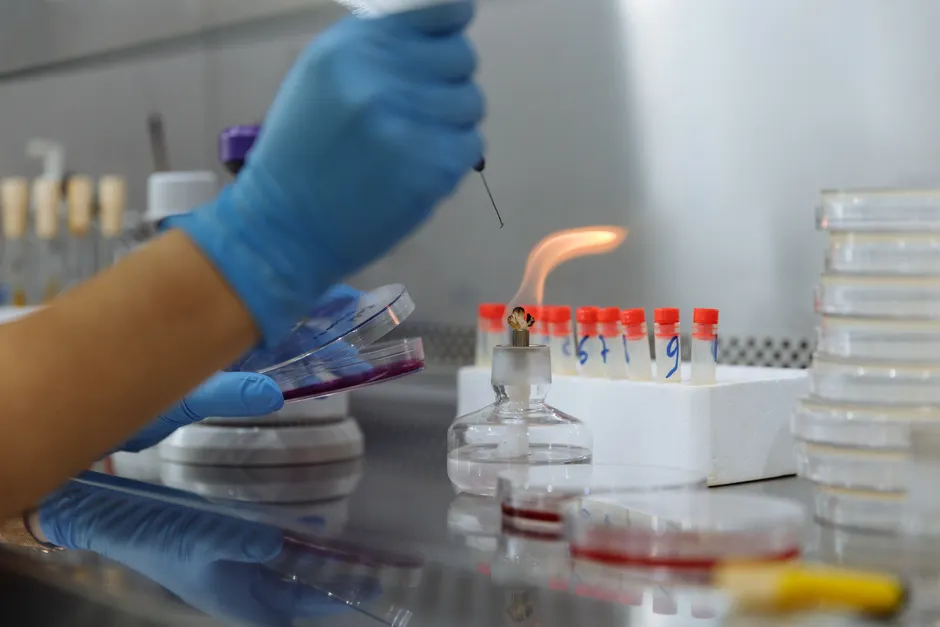
Testing for Ebola is technically difficult. Samples have to reach specialized labs with strict safety measures because the virus is dangerous to handle. In remote areas of Congo, this can take days or weeks—time the virus doesn't lose.
The Bigger Picture
Preparing for outbreaks costs money and effort. The world invested heavily in this after the West African Ebola crisis from 2014 to 2016, which killed over 11,000 people. Congo's new outbreak is a test: Do all those investments actually make responses faster and more effective? Or do the same bottlenecks slow things down?
History suggests the answer isn't about having the fanciest tools. It's about whether those tools actually reach the right places, with the right people, fast enough. Getting a vaccine to a remote village takes coordination, trust, and logistics—not just technology.
What Comes Next
When Congo reported this outbreak, it triggered international rules about sharing information with the World Health Organization. This sets off a chain of notifications and offers of help. But help takes time to arrange. Countries have to decide who goes where, what supplies to send, and how to work with local authorities.
One issue that will come up: How do we make sure vaccines are shared fairly? There aren't endless supplies of licensed Ebola vaccines worldwide. Deciding who gets them first—based on where cases are clustered versus other factors—is both a medical and a moral question.
The success of this response depends a lot on something that's hard to measure: whether communities believe the health workers trying to help them. Previous outbreaks sometimes shook that trust. Rebuilding it takes patience and respect, not just expertise.
Congo's latest brush with Ebola shows what the world has learned to do. Whether it shows what the world has learned to do well remains to be seen.