How 11 Shares Wiped Out 30% of SK Hynix's Price in Minutes

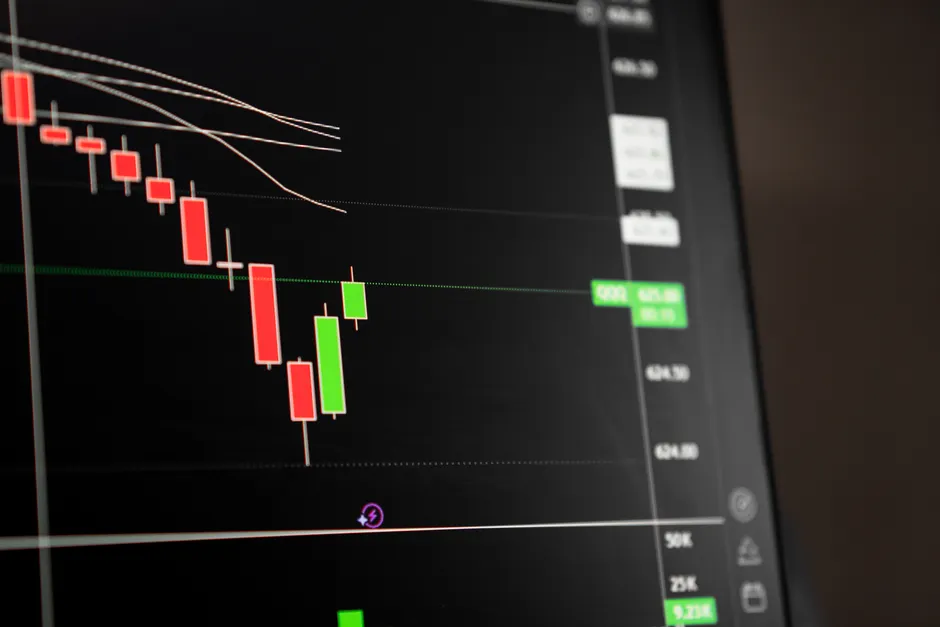
SK Hynix shares dropped 30% in a flash crash on South Korea's Nextrade stock exchange at 8 a.m. local time on August 6, 2026, before bouncing back to end the 50-minute pre-market session down about 2%, according to Bloomberg.
Only eleven shares were traded at 1,168,000 won each, which was enough to hit the exchange's daily maximum allowed drop of 30%, according to Nextrade data reported by Bloomberg and The Edge Markets. The price then recovered most of the loss, ending the pre-market window down about 2%.
This was SK Hynix's second short-lived pre-market share plunge, The Edge Markets reported.
The August 6 crash follows a July 29 episode in which a single pre-market trade in SK Hynix shares triggered a 20% flash drop in crypto contracts on a platform called Hyperliquid, resulting in about $17.4 million in crypto losses, according to The Economic Times. Some crypto trading platforms use prices from regular stock markets as a benchmark to value their contracts. When those stock prices come from very thin, low-volume trading, a single odd trade can throw off the crypto contracts that depend on them.
The broader context here is one of elevated volatility for SK Hynix following its high-profile US listing. The company's US-listed shares debuted in a listing worth $26.5 billion (Bloomberg). On July 13, 2026, the second US trading day, the shares fell 9.3% amid a broader selloff in AI-related stocks that spilled over from South Korea (Bloomberg). Since then, pre-market crashes on Nextrade have now occurred at least twice, raising questions about how prices are set during low-volume periods.
What stands out is the mechanics, not the size of the drop. Think of a stock exchange as a marketplace with a list of buy orders and sell orders waiting to be matched. During pre-market hours, that list is very short. A single sell order can blow through the entire list and push the price to its daily limit before new buyers show up. The fact that the price recovered to roughly a 2% loss within the same 50-minute window confirms the crash was a plumbing problem, not a reaction to news. No news catalyst was apparent in the verified reporting.
For traders and risk managers, the recurring pattern has two practical implications. Pre-market trading on Nextrade for widely watched stocks like SK Hynix is structurally fragile, and it takes very little to trigger a maximum-drop event. The July 29 spread to Hyperliquid also shows that these crashes do not stay contained in the stock market. Crypto trading platforms that use thin pre-market stock prices as a benchmark are exposed to flash crashes that have nothing to do with a company's actual value. The $17.4 million in losses on Hyperliquid happened because the benchmark price suddenly lurched, forcing traders with borrowed money to sell at a loss.
The demand for AI memory chips that drives SK Hynix's actual business is not what moved the stock at 8 a.m. on August 6. What moved it was market plumbing — how trades are matched and priced when barely anyone is trading. When a stock sits at the crossroads of a massive US listing, intense attention from retail and algorithmic traders, and a shallow domestic exchange, pre-market sessions become accident-prone. Two flash crashes in roughly two weeks is a pattern, not a coincidence, though whether Nextrade adjusts its pre-market rules is an open question.
For large institutional traders, the takeaway is practical: pre-market SK Hynix prices on Nextrade are not reliable in the opening minutes, and any trading strategy or financial product tied to those prices carries the risk of a sudden gap that the July 29 Hyperliquid episode put at eight figures. For everyday investors holding SK Hynix through these episodes, the fact that the price recovered offers little comfort about what could happen if the next flash crash finds no buyer waiting on the other side.