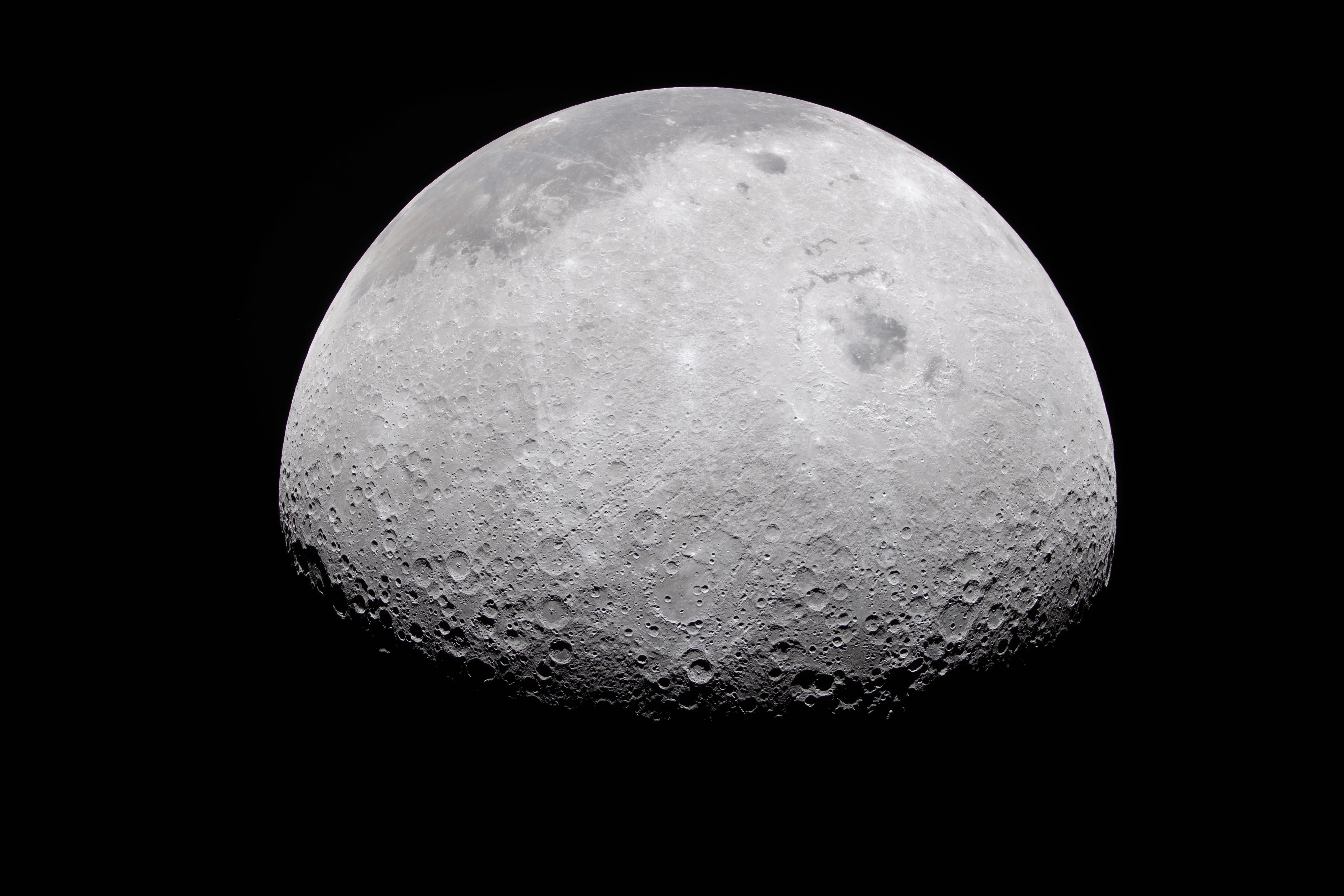
A Piece of a SpaceX Rocket Just Crashed Into the Moon
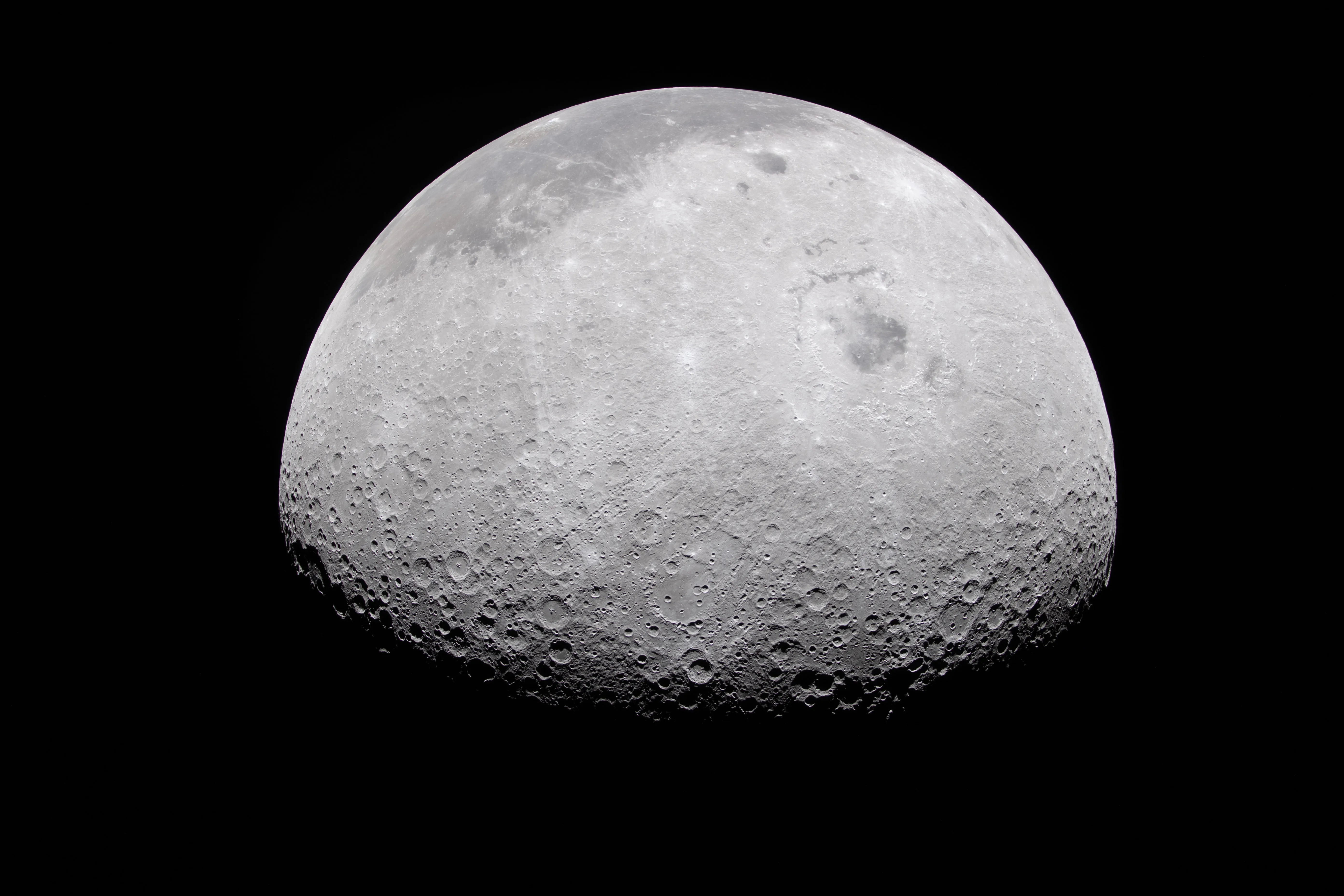
A leftover piece of a SpaceX rocket crashed into the Moon on August 5, 2026, making a hole about 60 feet across and 12 feet deep. Engadget
The rocket piece weighed about four tons and was traveling at 5,400 mph when it hit the sunny side of the Moon. An independent astronomer named Bill Gray, who runs a website called Project Pluto, predicted the crash weeks ahead of time, nailing the timing to within a few minutes. Project Pluto
No one could see the crash directly through a telescope because it happened on the bright, sunlit side of the Moon, which is too glaring to see small details against. But a powerful telescope in Chile — operated by a team including Carl Schmidt, a planetary scientist at Boston University — picked up a cloud of sodium and lithium gas that the impact threw up. Schmidt said the cloud was tens of kilometers across and lasted between five and ten minutes. Engadget
NASA has a spacecraft orbiting the Moon called the Lunar Reconnaissance Orbiter, and South Korea has one called the Korea Pathfinder Lunar Orbiter. Both will try to take pictures of the crash site, but that depends on whether the lighting is right at the time they fly over. NASA
The rocket that caused all this was a SpaceX Falcon 9, launched on January 15, 2025. Its main job was to carry a lunar lander called Blue Ghost, built by a company called Firefly Aerospace, toward the Moon. The lander made the trip and completed its mission. But the rocket's second stage — the part that pushes the cargo to its destination after the main booster falls away — had no way to come back to Earth. It just kept going. SpaceX
For most launches, SpaceX steers the second stage back down so it burns up over the ocean. But for missions heading toward the Moon, the rocket uses almost all its fuel just to get the cargo where it needs to go. That leaves no fuel for a controlled return. SpaceX said the upper stage ended up on a path toward the Moon because of solar activity and the pull of gravity from the Earth, Moon, and Sun over time. Engadget
NASA said that letting spent rocket stages crash into the Moon is a safe and accepted practice, and sometimes the only realistic option. Engadget
The broader picture here is that more rockets are heading toward the Moon these days. NASA's Artemis program, private companies delivering cargo to the lunar surface, and other countries' orbiter missions are all adding to the traffic. Every one of those high-energy launches can leave behind a spent rocket stage with nowhere to go. The Falcon 9 second stage, once it has done its job, has no way to steer itself. It becomes a piece of debris, and the laws of physics decide where it ends up.
A four-ton metal cylinder punching a hole in the Moon is not a big deal on its own. NASA's Apollo missions decades ago left much larger impact craters. What is different now is how often this is happening and where the rockets come from. SpaceX launches frequently. Companies like Firefly are sending hardware to the Moon on a regular schedule. Each mission can produce another spent stage that someone has to track, predict, or simply accept as lunar debris.
What stands out to me is that the tracking was done by one person working independently with publicly available data. Bill Gray's Project Pluto is well known and trusted in the community of people who track small objects in space, and his predictions for this kind of thing have been reliable. But the fact that an independent website run by an amateur astronomer is still the go-to source for predicting debris beyond Earth orbit suggests a real gap in official tracking systems for the space between here and the Moon.
NASA is right that a metal object hitting the Moon, which has no air and no life, does not cause environmental damage. The real concern is more practical. If rocket stages are not tracked carefully, they can create hazards for other spacecraft operating near the Moon. The South Korean orbiter and NASA's LRO are both up there right now, sharing that space. The effort to photograph this crash site is partly science and partly keeping track of what is floating around up there.
The practical question for now is whether either orbiter can get a clear photo of the crater. A fresh 60-foot hole on the Moon's surface should be visible to NASA's camera, but only if the orbiter passes over at the right time of day, when the sunlight hits the surface at the right angle. If they pull it off, scientists would get a rare opportunity to study an impact crater where they already know the weight, speed, and angle of the object that made it — which helps improve models of how craters form.
The larger takeaway is that the space between Earth and the Moon is getting busier and messier. More launches, more leftover rocket parts, more debris. This time, the system worked: an independent tracker predicted the crash, NASA acknowledged it, a telescope detected the gas plume, and orbiters are ready to photograph the aftermath. Whether that loose, informal approach keeps working as launches become more frequent is a question nobody has had to answer yet.