Why Iran May Ask Yemen's Houthis to Block a Major Oil Route

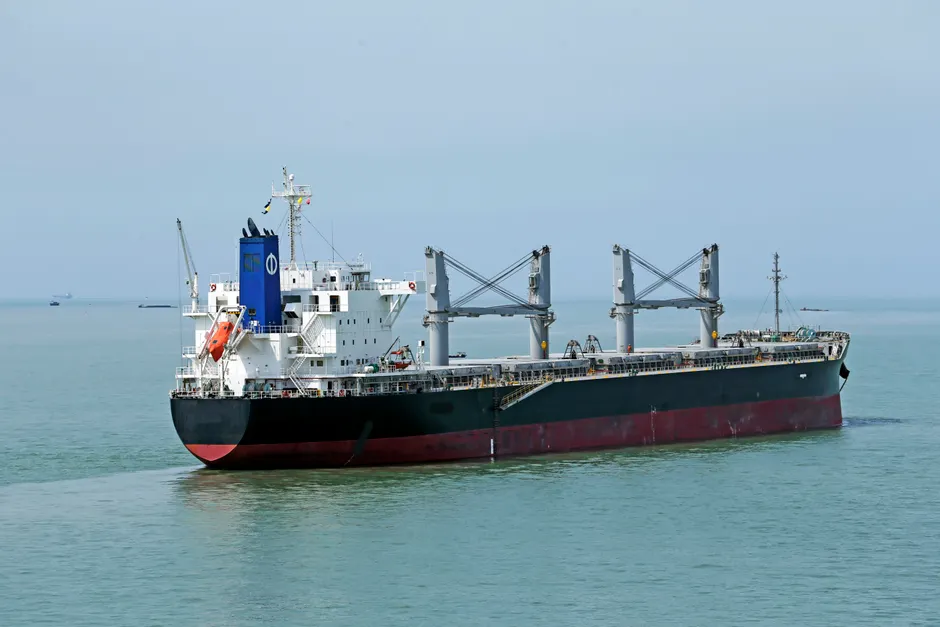
Iran has asked Yemen's Houthi movement to get ready to shut down a key oil shipping route through the Red Sea if the United States attacks Iranian power facilities, according to sources reported in mid-July 2026 (Reuters). The route in question is the Bab al-Mandeb Strait, a narrow passage of water between Yemen and the Horn of Africa that ships use to move oil from the Gulf to global markets.
The Houthis have been attacking ships in the Red Sea since late 2023. They say they will stop when Israel ends its war in Gaza and lifts its blockade (Crisis Group). Iran's reported directive adds a new reason for the Houthis to close the strait: as payback if the US hits Iran's infrastructure. This means the Red Sea route could be shut even if the Gaza war ends, as long as US-Iran tensions keep rising.
The Houthis have been building up their military position for years. Since 2019, they have pushed into Yemen's oil-producing southern regions. Saudi Arabia sent forces to Shabwa in September 2019 and helped broker a ceasefire with local authorities, and all parties responded positively at the time (Reuters). That truce did not last. By July 2021, Houthi forces had spread fighting to al-Bayda as they tried to advance toward the oil-producing Shabwa region (Reuters). In September 2021, Houthi fighters broke through frontlines and made gains across central Marib and southern Shabwa (Reuters). By November 2021, it was unclear whether they would attack the city of Marib directly or turn to seize nearby oil and gas fields (Reuters).
The fighting in these oil regions led the Houthis to strike beyond Yemen's borders. They fired missiles and drones at the UAE after Emirati-backed local militias fought Houthi forces in the Shabwa and Marib regions (Reuters). Those attacks showed that the Houthis could project military power from Yemeni territory against Gulf states involved in the conflict, a capability now being redirected toward the Red Sea.
The broader context here is that two separate conflicts are now pulling on the same thread. The Houthi Red Sea campaign has been about Gaza. Iran's directive ties it to US-Iran tensions. If the directive is a real plan and not just a warning, the Houthis would need to fully close the Bab al-Mandeb Strait, something their current campaign has gotten close to but not done. A full closure would affect a route carrying about 12 percent of the world's seaborne oil. That would drive up insurance costs, shipping rates, and the economics of Gulf oil exports. The Houthis' ability to hit ships with drones and missiles, developed through years of fighting in Marib and Shabwa, gives them the tools for such an escalation.
What is less clear is who is really in charge. The Houthis have operated with some independence, acting on their own stated conditions in the Red Sea even as Iran supplies equipment and strategic guidance. A directive to prepare for closure in a specific US-Iran scenario suggests closer coordination than the Gaza-linked campaign implied. Whether Iran could override the Houthis' own conditions, or whether the group would frame a closure as serving both the Gaza and Iran demands at once, is a question the reporting does not answer.
The path from Yemen's southern oil fields to the Bab al-Mandeb Strait is a direct line. The same fighters who pushed through Yemen's energy provinces in 2021 and struck the UAE now form the force Iran is asking to hold a global shipping chokepoint in readiness. The Saudi ceasefire effort in Shabwa in 2019, brief as it was, was the last time diplomacy paused that southern advance. Its failure shows how hard it is to negotiate in a place where military momentum, outside backing, and ideology all push in the same direction.