Yemen's Houthis Launch Major Attacks as Three Countries Form New Defence Alliance
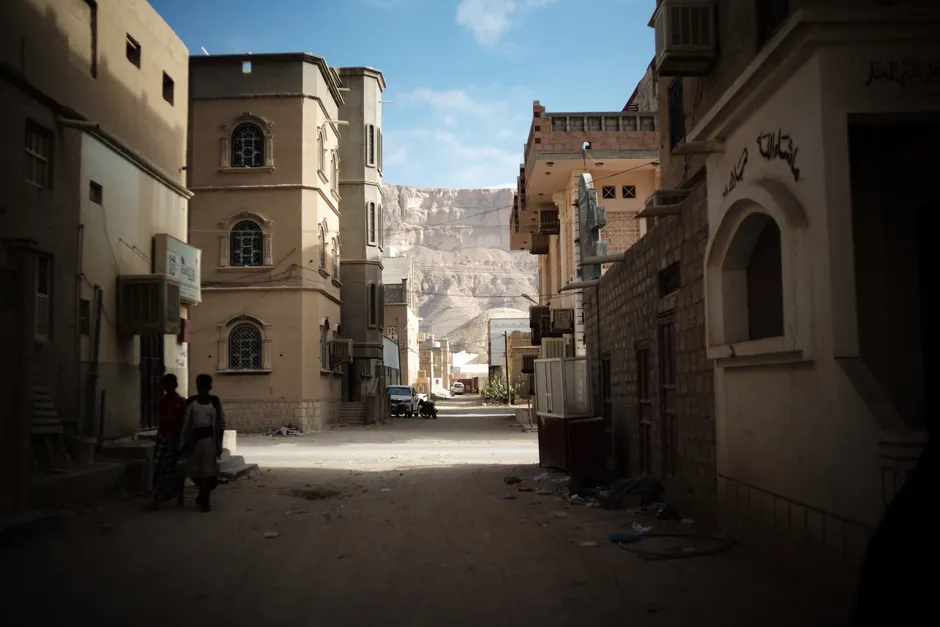
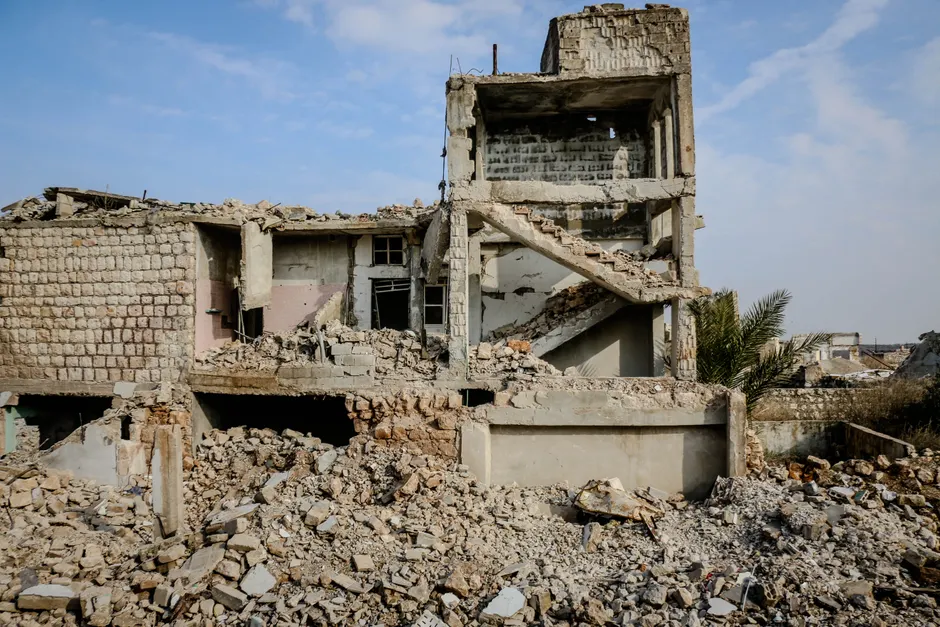
At least two civilians were killed and 14 injured in a Houthi attack on the Yemeni city of Marib on August 7, 2026, according to the internationally recognized Yemeni government. The strike adds to a 48-hour surge of Houthi operations that have killed dozens of government soldiers and reached across the Saudi border. Al Jazeera
Yemen's Health Minister Qassem Bahaibah called the Houthis a "terrorist militia" in a post on X and said the casualty toll was preliminary. He said Yemeni authorities had told all health facilities to raise their alert levels after the Marib attack. The Yemeni Ministry of Public Health and Population separately condemned the strike "in the strongest terms," saying that targeting residential neighbourhoods and camps for displaced people violates international humanitarian law, the body of rules that limits the effects of armed conflict and protects people who are not fighting.
Marib is not a random target. The area hosts the largest number of displaced families in Yemen, according to UNHCR, the UN's refugee agency. That means strikes on populated areas in Marib worsen an already severe humanitarian crisis. The city has been a strategic anchor for the internationally recognized government since the Houthis seized the capital Sanaa in 2014, triggering a civil war. The war pits the Iran-backed Houthi movement against the Saudi-backed government now based in Aden.
The August 7 civilian casualties follow a deadlier escalation one day earlier. On August 6, Houthi attacks killed at least 30 government soldiers across Hadramout and Marib provinces. That same day, the Saudi-led coalition reported 11 people injured, including a four-year-old, in a Houthi attack on the city of Najran in southwestern Saudi Arabia. The cross-border strike on Najran extends the current Houthi offensive beyond Yemen's borders and into Saudi population centres.
The Yemeni Defence Ministry said its forces shot down several Houthi drones over Marib on August 7. Drones are unmanned aircraft that can be used for surveillance or to carry weapons. The government has not specified which type of drone or weapon caused the civilian casualties.
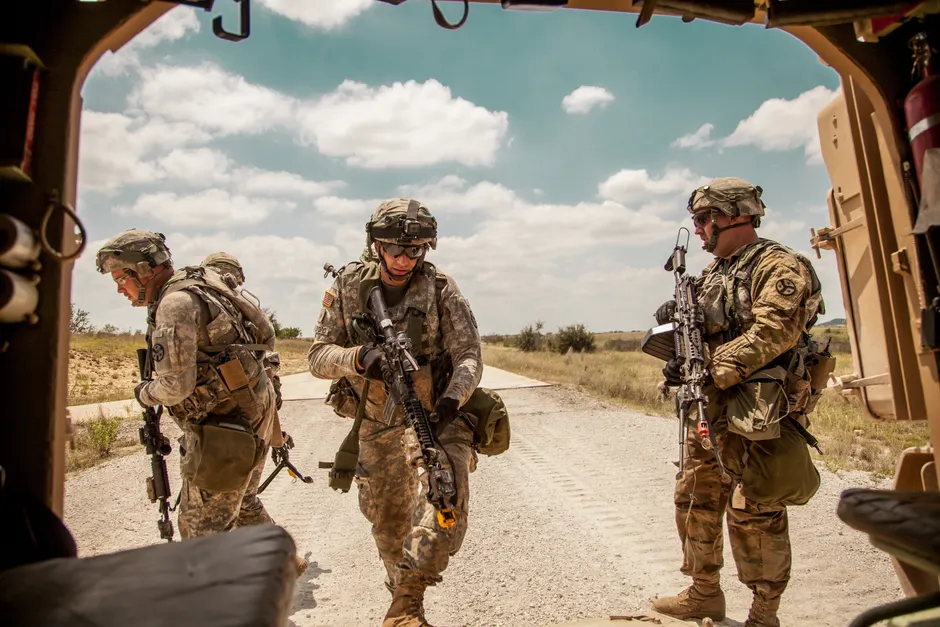
The escalation coincides with a major shift in regional security. On August 7, Saudi Arabia, Turkiye, and Pakistan signed a joint defence pact declaring that an attack on any of the three countries would be treated as an attack on all. The pact binds three of the largest militaries in the Muslim world into a mutual-defence framework. The Houthi strike on Najran the previous day falls squarely within the threat perimeter the new agreement is designed to address.
There is also a domestic Yemeni dimension to the timing. Bahaibah's decision to raise health facility alert levels nationwide, rather than solely in Marib, signals government concern that the current escalation may broaden geographically. The instruction applies to facilities across areas under government control, effectively placing the entire health system on a wartime footing. Separately, the Center for Weather Forecasting and Early Warning under the General Civil Aviation and Meteorology Authority in Aden warned of heavy thunderstorms across multiple Yemeni governorates within 72 hours. In a setting where displaced populations already face severe hardship, heavy storms add to the consequences of military strikes on civilian infrastructure.
The broader context here is one of intensification on multiple fronts at the same time. The August 6 killing of 30 government soldiers across two provinces, the August 7 civilian casualties in Marib, the Najran cross-border strike, and the Saudi-Turkish-Pakistani defence pact all happened within a 48-hour window. For the internationally recognized government, the cumulative effect is pressure on both its military lines and its obligations to protect civilians in areas hosting displaced families. For the Houthis, the pattern of simultaneous strikes on military and civilian targets, along with cross-border reach into Saudi territory, tests the credibility of any external security guarantee that the new trilateral pact is meant to provide.
The war in Yemen has gone through cycles of escalation and de-escalation for over a decade. What may distinguish this moment is the convergence of an active Houthi offensive with the activation of a new mutual-defence arrangement involving Saudi Arabia, Turkiye, and Pakistan. If the pact's collective-defence language is invoked in response to attacks like the Najran strike, the conflict could gain a new escalation rung, potentially drawing in additional countries. If it is not, the pact risks looking like diplomacy with no enforcement behind it. Either outcome carries consequences for how all parties calculate risk in the coming days.