Why Iran Shut Down a Key Oil Route and What It Wants from the US

In early August 2026, Iran's military force called the Islamic Revolutionary Guard Corps (IRGC) said it would not reopen the Strait of Hormuz until the United States agreed to a list of demands France 24. The demands include lifting a US naval blockade on Iranian ports, ending economic sanctions, releasing Iran's frozen money, and paying compensation.
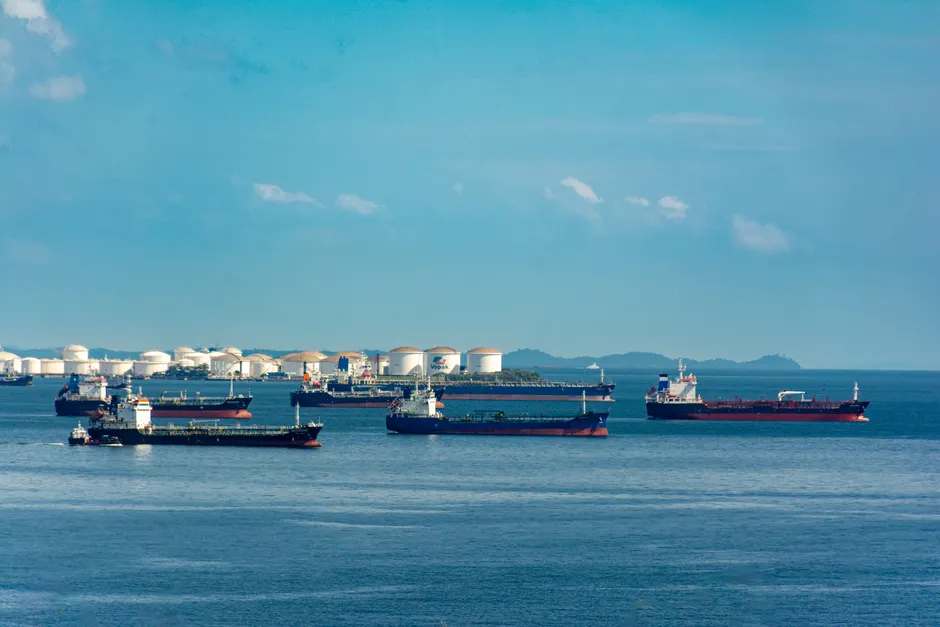
The Strait of Hormuz is a narrow strip of water between Iran and Oman. About one-fifth of all the oil the world uses every day passes through it. When the strait is closed, oil prices can spike and countries scramble for energy.
The demands came as a ceasefire agreement from June 2026 continued to fall apart. By August, the talks centered on ending the US naval blockade and dealing with sanctions that were put back in place when the ceasefire collapsed CNN. The US president said on April 22, 2026, that the blockade was costing Iran $500 million a day Iran International.
Sanctions are penalties one country puts on another to pressure it into changing behavior. They can block trade, freeze bank accounts, and cut a country off from global finance.
At the same time, the United States imposed new sanctions on Iran even while officials said a deal to reopen the strait was close Iran International. Washington also warned shipping companies not to pay a "toll" that Iran was charging for passage through the strait Institute for the Study of War.
The story of how we got here starts in May 2026. Iran was working on an agreement with the US focused on ending the naval blockade and getting back its frozen assets, according to Iranian state media IRNA. A US official said on June 12 that a deal was very close and that the strait would reopen Reuters. The draft deal included releasing $25 billion of Iran's frozen money, an exemption from oil sanctions, and limits on Iran's nuclear program Reuters.
On June 15, the US and Iran signed a ceasefire. Iran would get back billions in frozen assets, and US officials said traffic through the strait would rise significantly Reuters; Reuters. Iran later published the agreement, called the "Islamabad Memorandum of Understanding," in which the US agreed to make Iran's frozen funds fully available IRNA. Article 11 of the agreement says the US "undertakes to make fully available for use the frozen or restricted funds and assets" of Iran Reuters.
The ceasefire lasted less than a week. On June 21, Iran's military command declared the strait closed again, saying the US had broken the agreement IRNA. Iran's top security official said the strait would stay closed until the US changed course IRNA.
What this means is that both sides keep reaching agreements and then watching them fall apart. The June 15 ceasefire was the high point of a negotiation process that started in May, produced a detailed agreement, and then collapsed within days as each side accused the other of not following through. The return of sanctions and the closure of the strait put both countries back close to where they started. The June agreement still technically exists, and its terms remain a reference point for any future talks.
The broader picture is that both sides appear to be maneuvering for advantage rather than giving up on talks entirely. Iran's demands closely match what was already negotiated in the June agreement. The one new element is compensation, which was not part of the earlier deal. The US decision to impose new sanctions while saying a deal was close is harder to interpret: it could be meant to pressure Iran into following the existing agreement, rather than to end negotiations. The warnings to shipping companies about Iran's toll payments add another layer of difficulty, because shipping companies and insurers will need clear rules before they resume normal traffic through the strait.
The question now is whether the two sides will go back to the agreement they already built or let it erode further. The Islamabad agreement exists as a written text with specific obligations for both sides. Whether either country has the political will to actually carry it out is the question that has no answer yet.