Ireland's Record €1.7 Billion Defence Plan: What It Means and Why It Matters

Ireland's Record €1.7 Billion Defence Plan: What It Means and Why It Matters
In what marks the biggest military investment in the country's history, Ireland's Defence Minister Helen McEntee announced a €1.7 billion plan to modernize the Defence Forces over the next five years. The money will grow each year, starting at €300 million in 2026 and climbing to €360 million annually by 2030. For context, that's a 55% jump from the previous spending level of €1.1 billion—and a dramatic leap from the €141 million spent in 2022.
This matters because Ireland, despite its strategic position on Europe's Atlantic edge, has historically spent very little on defence. At just 0.2% of its overall budget, Ireland remains Europe's lowest defence spender. The announcement signals that the government sees this as no longer sustainable.
Why the Sudden Push to Modernize?
The Defence Minister also released a detailed plan outlining what the money will fund: updated training facilities, new equipment, and building capability in areas like artificial intelligence and real-time data processing. A 2025 Defence Forces Review warned that without modernization, Ireland risks falling out of step with its EU and NATO-aligned partners—even though Ireland maintains its constitutionally protected military neutrality and is not a NATO member.
Think of it this way: as security threats evolve and neighboring countries upgrade their capabilities, staying still isn't really staying still. It's falling behind. The infrastructure and equipment Ireland's military relies on is aging, and the review flagged that without investment, the country couldn't maintain credible territorial defence.
The Irish Defence Forces currently handle more than just military defence. They also assist police with prisoner transport and bomb disposal, reflecting how the military is woven into civilian operations.
Managing Neutrality While Upgrading Defence
Here's where it gets complicated. Ireland has a long-standing commitment to military neutrality—it doesn't join mutual defence alliances and isn't part of NATO. Yet it does cooperate with EU partners on security matters and participates in European peacekeeping missions. This balancing act is sometimes called "strategic ambiguity."
The government has been clear: this spending plan does not change Ireland's neutrality status. But Minister McEntee has also called for what she terms an "honest debate" about Ireland's defence role, hinting that the conversation may evolve over time within constitutional limits.
The broader context here is that other small European nations have faced similar pressures. Denmark, Austria, and Sweden have all had to invest substantially in defence capabilities while maintaining their own distinct security policies—showing that neutrality and military modernization aren't necessarily incompatible.
The Plan's First Major Test: Maritime Security
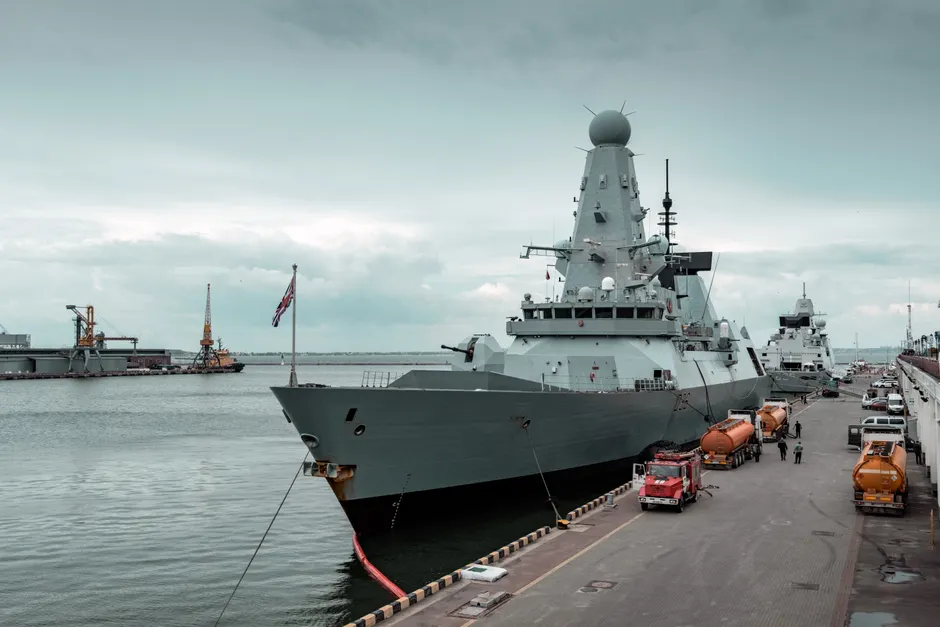
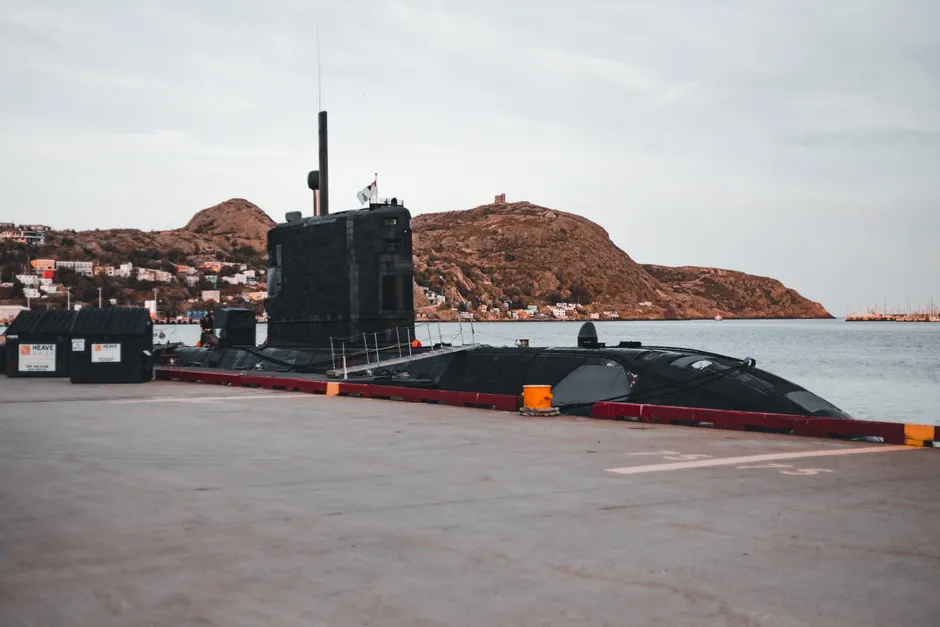
Alongside the funding announcement, Ireland released its first National Maritime Security Strategy. This is a big deal because Ireland's coastline is vast, and it controls one of Europe's largest ocean zones. Yet the country has limited naval capacity to actually patrol and protect it. The new strategy aims to address that gap, though with the funding envelope being what it is, the solutions will need to be creative and efficient.
What Could Go Wrong?
Implementation won't be simple. Ireland has struggled with defence procurement in the past—projects have faced delays, and the country's defence industry is small, requiring extensive reliance on foreign partners for major purchases. That dependency creates risks: global supply chain disruptions or technology restrictions could slow delivery.
There's also a personnel challenge. As the military absorbs new technologies and capabilities, it has to keep current operations running at the same time—a feat that's proven difficult even for larger militaries with bigger budgets. Training and retaining skilled personnel while executing rapid change is demanding.
The ambitious five-year timeline compounds these pressures. Whether Ireland can deliver on this investment depends heavily on project management, sustained political will across electoral cycles, and whether security conditions remain stable enough for the plan to stay on track.
The record investment is a clear signal: Ireland's government recognizes that past spending levels left the Defence Forces under-resourced. What remains to be seen is whether €1.7 billion over five years—substantial for Ireland, but modest by European standards—will prove enough to deliver the capabilities the country actually needs.