Britain's £15 Billion Defence Bet: What the New Spending Plan Means for NATO
The UK government released its Defence Investment Plan on 30 June 2026, committing £15 billion in new defence funding over the next decade. The Ministry of Defence budget is projected to reach approximately £80 billion annually by 2029, with the immediate 2027–28 allocation set at £74 billion — more than £20 billion above the final year of the previous administration.
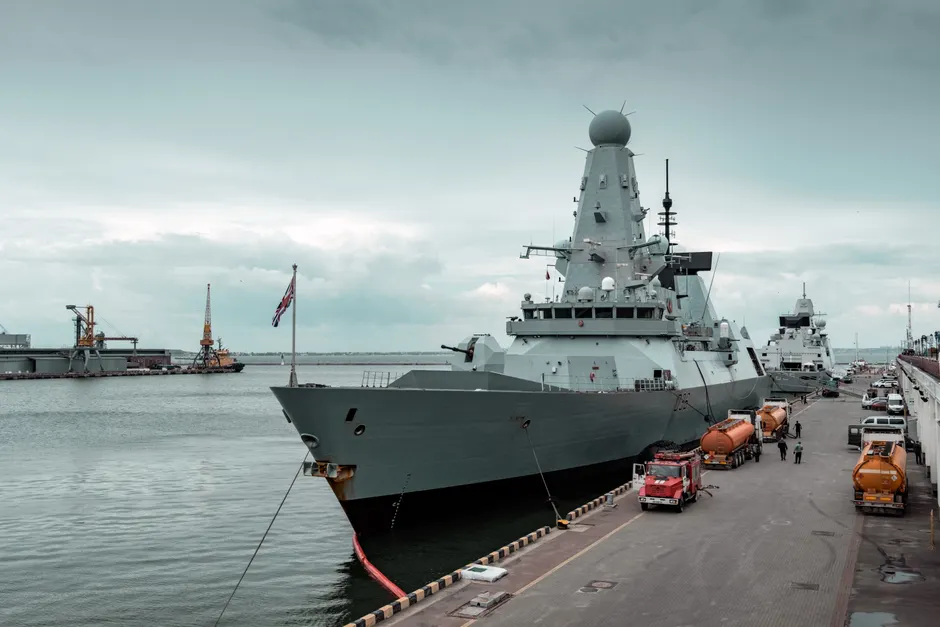
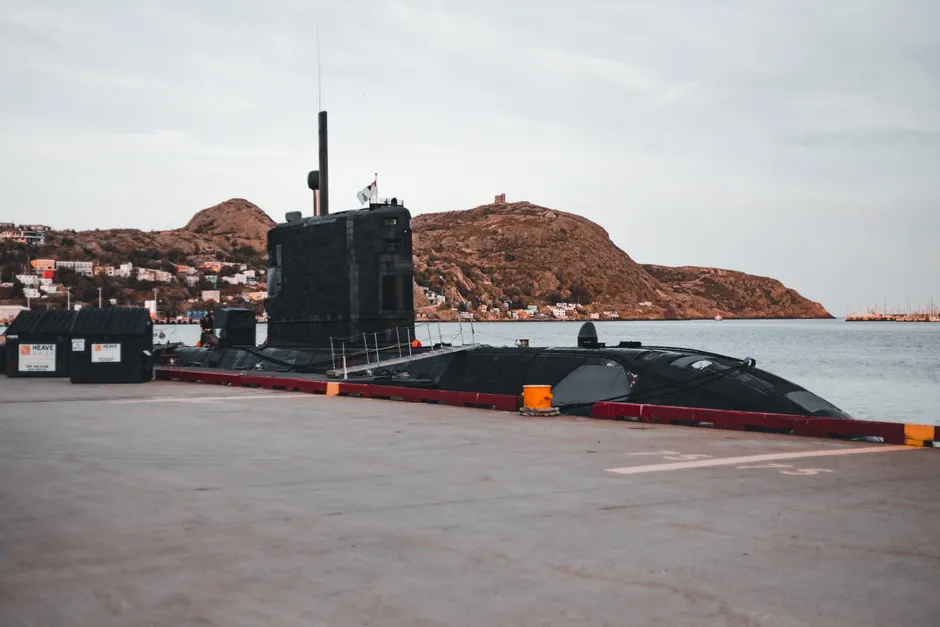
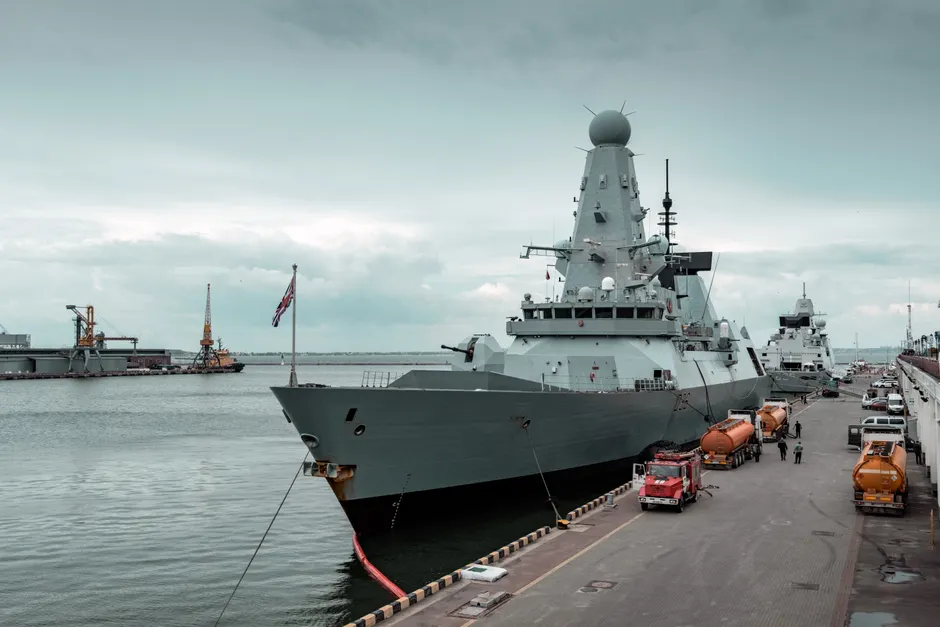
The new money breaks down into specific military priorities. Roughly £11 billion goes toward munitions and weapons stockpiles, including long-range strike systems. Over £5 billion is dedicated to drone modernization across all three armed services. Another £26 billion over ten years funds upgrades to naval bases and infrastructure. The nuclear deterrent programme receives dedicated funding as part of the Dreadnought-class submarine renewal, though no separate public figure is disclosed for that element.
Prime Minister Keir Starmer announced the plan in a speech on 30 June, timed deliberately to precede the NATO summit in Ankara on 7–8 July 2026. Arriving at an alliance meeting with a detailed, costed plan rather than a political pledge carries weight in negotiations — NATO members face sustained pressure to raise defence spending, and allies scrutinize not just the headline number but whether countries can actually deliver on stated capability targets.
The plan's development was not smooth. Reuters reported on 5 June 2026 that publication had slipped from the previous year, with senior military figures publicly warning that delays were becoming untenable. The compressed timeline — less than two weeks before Ankara — limited parliamentary scrutiny. The government clearly accepted that trade-off.
Three spending priorities warrant closer examination. The £11 billion munitions envelope fills a gap exposed during the Russia–Ukraine war: Western stockpile assumptions were built around limited, low-intensity operations, not the sustained high-intensity conflict that emerged after 2022. Second, the £5 billion drone investment reflects a structural shift in how modern warfare operates. Since the Ukraine conflict, drones have become decisive across land and naval operations — this allocation ranks among the largest single commitments by any European NATO member. Third, the £26 billion for naval base infrastructure addresses a chronic gap: force projection capacity — how many ships, submarines, and aircraft can be sustained and rapidly deployed — is ultimately limited by what ports can handle and maintain.
The spending ramp deserves scrutiny. Moving from £74 billion in 2027–28 to £80 billion by 2029 requires steep annual increases, which means either reallocating budgets from other departments or sustained economic growth above current Office for Budget Responsibility projections. Neither path is politically painless. The Prime Minister's letter to Defence Secretary John Healey on 11 June called the investment unprecedented — a claim that holds true against post-Cold War UK defence spending, though real inflation over the decade will affect the actual purchasing power.
What happens at the Ankara summit will test whether this translates into allied confidence. NATO's planning process does not just measure spending percentages; it evaluates whether countries can actually deliver the forces, readiness, interoperability, and industrial capacity to sustain losses in sustained conflict. The figures for munitions and drones speak directly to those criteria. Defence planners in Brussels, Washington, and Warsaw will be watching whether the spending ramp sustains through future budget cycles — that consistency, or lack of it, shapes how allies calculate what the UK can actually contribute when it matters.