Britain's £15 Billion Defense Spending Plan: What It Means and What's Missing

Britain's £15 Billion Defense Spending Plan: What It Means and What's Missing
On June 30, 2026, the UK government published its Defence Investment Plan, unveiling £15 billion in new funding aimed at modernizing the armed forces. Prime Minister Keir Starmer had set the timeline deliberately: the plan landed just days before the July 7 NATO summit in The Hague, a window he announced in early June for getting it done.
The plan charts a path toward 2.7% of GDP—a jargon-heavy way of saying defense spending as a share of Britain's total economic output. Starmer has pledged to reach 2.5% by 2027 and 3% in the spending period after that. To put this in perspective, this represents the largest sustained increase in defence spending since the Cold War, when Soviet tensions drove comparable commitments.
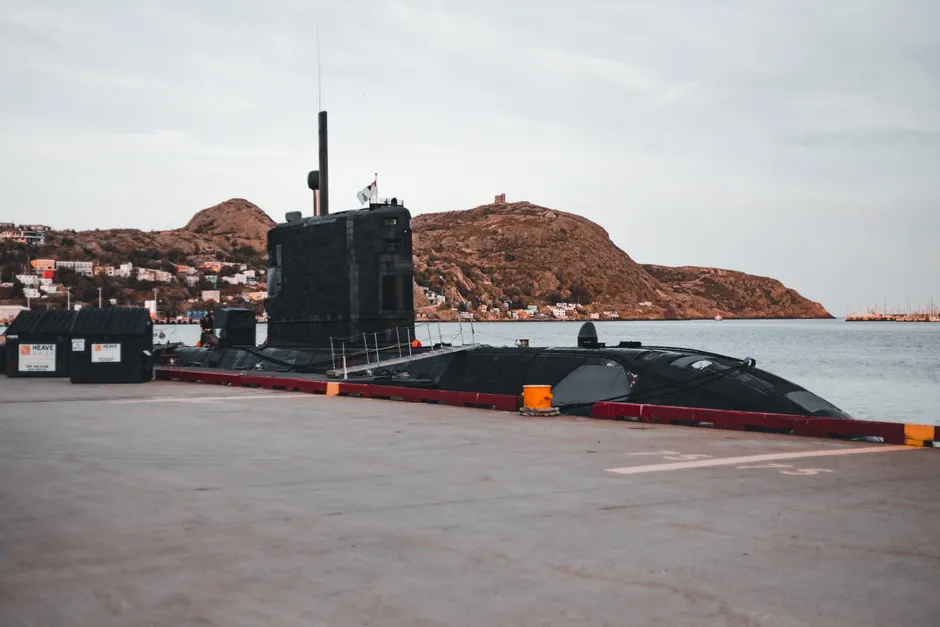
The centerpiece is nuclear deterrent spending: more than £63 billion over four years allocated to nuclear weapons and submarines. The Dreadnought-class submarines are the backbone—these are nuclear-armed vessels designed to remain at sea continuously, ready to strike if needed. The Dreadnought programme alone carries a £41 billion price tag. It will replace the ageing Vanguard-class boats. A further £5 billion sits within the plan for ammunition stockpile regeneration and the next phase of AUKUS submarine work—a trilateral defense partnership with Australia and the United States centered on advanced submarine technology.
The Missing Piece: How Will Britain Pay for This?
The government's announcement skipped a crucial detail. When the Treasury released the plan, it deliberately left blank the question of exactly how it will fund the spending increase. This omission has immediate consequences. Greater Manchester Mayor Andy Burnham is reportedly facing a £4.7 billion shortfall in his first budget tied directly to the defence plan's financial structure—a sign that the cost is being shuffled between different parts of government rather than openly accounted for.
This pattern is familiar in UK defence announcements: headline the ambitious number, postpone the awkward questions about where the money comes from. It creates political momentum, but it also creates a credibility problem. A former senior military officer has already flagged that plans without investor-grade detail fail to convince defence contractors to commit capital to Britain's defence industry. For companies that manufacture weapons and military equipment, knowing whether a contract is locked in matters as much as knowing the headline spending percentage.
The broader context here is that Britain is being squeezed by competing pressures. It needs to maintain its independent nuclear deterrent through Dreadnought, deliver the AUKUS submarine work on a timeline Australia is watching closely, and rebuild conventional military capacity—the artillery, ammunition, and other non-nuclear hardware. The £63 billion nuclear envelope is so large that it leaves less room in the budget for conventional forces, which is exactly where NATO allies on the eastern frontier, closer to Russia, will be asking harder questions.
Why the Timing Matters
The July 7 NATO summit is the forcing function—NATO members are under pressure to move toward 3% of GDP in defence spending, a shift that moved from aspirational to politically necessary after Russia's 2022 invasion of Ukraine. Publishing a credible plan before The Hague allows London to make concrete commitments rather than repeat vague promises. The nuclear and AUKUS elements matter directly to NATO's broader deterrence discussions.
Whether the Treasury's budget arithmetic can actually support the ambition before that summit arrives will determine whether this plan functions as a genuine strategic signal or reads, to critics, as an intention dressed up as a commitment. The next six days will tell.