Motorola's $149.99 Moto Watch 2026: Capable Hardware, Limited by Its Operating System
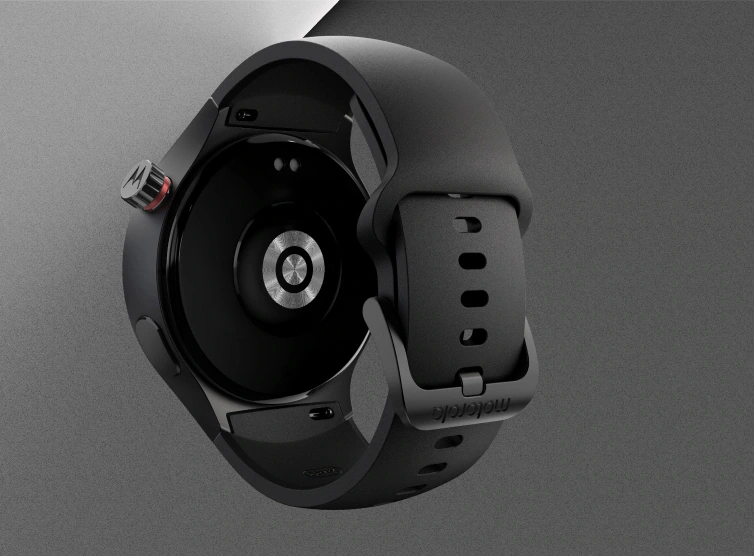
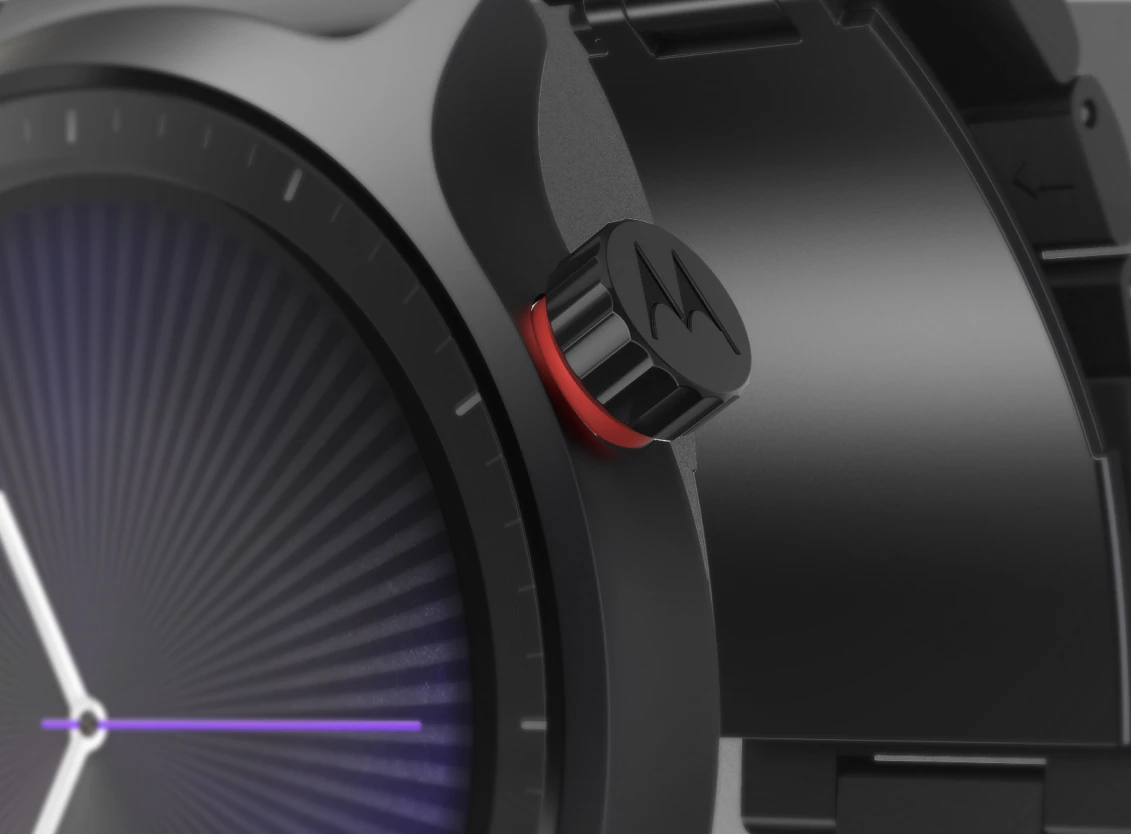
Engadget's review of the Motorola Moto Watch 2026, published August 11, 2026, concludes that the smartwatch looks capable and affordable but underperforms in practice. The device is priced at $149.99 with a 1.4-inch display, a 47mm aluminum frame, and Gorilla Glass 3 front glass with IP68 water and dust resistance, according to PCMag and Motorola's own product page.
The design decision that shapes the entire user experience is that the Moto Watch 2026 does not run Google's Wear OS — the operating system used by most Android-compatible smartwatches. Instead, it runs a Real Time OS (RTOS), a lightweight operating system built for specific, limited tasks rather than running third-party applications. Its interface closely resembles Wear OS, according to Engadget, but the practical consequences are significant: no third-party apps, no access to Google apps, no mobile payments, and music limited to files sideloaded directly onto the device's own storage.
Setup requires downloading the Moto Watch app and creating a Motorola account. If no account is created, the app freezes. The watch also does not default to relaying the user's phone notifications; notifications must be selected manually through the companion app. These are friction points that Wear OS and watchOS (Apple's smartwatch platform) users would not expect to encounter.
On the hardware side, the Moto Watch 2026 features Bluetooth 5.3 + BLE, Wi-Fi, and dual-frequency GPS — meaning it reads signals from two satellite frequency bands for more accurate location tracking. It uses standard 22mm watch bands. Motorola partnered with Polar for the watch's health and fitness features. Polar branding appears on the packaging and within the app's health pane, but not on the watch itself. CNET's review, published April 26, 2026, also notes dual-band GPS alongside blood oxygen and sleep stage tracking. The health tab in the companion app shows three rings for steps, calories burned, and active minutes, plus dedicated sections for activity, sleep, recovery, workout logs, heart rate, and physical stress.
The watch tracks time, heart rate, steps, and calories burned. It offers stopwatches, timers, sleep-tracking dashboards, a compass, a remote camera shutter, wrist-based calling, and a dialer app. A broad list of exercises can be added to a quick shortcut menu, including running and outdoor cycling. However, the Moto Watch 2026 lacks automatic activity detection, meaning it does not automatically log walks or runs. Users must manually start a workout session to capture data.
Battery life is a point of divergence between Motorola's marketing and review findings. Motorola's product page references long battery life, and earlier Motorola wearables like the Moto Watch Fit were promised at 16 days on a single charge. PCMag's review, published May 5, 2026, reports the Moto Watch 2026's actual battery life at 7 days.
The Moto Watch 2026 is part of Motorola's broader Moto Things accessory lineup, which the company expanded in January 2026 to include a new Bluetooth tracker, stylus, and smartwatch, as Engadget reported. The watch is listed on Motorola's US website under model number PG38C08256, where the company markets it as featuring Polar Fitness Tracker precision (Motorola). Motorola's GB website also lists a related product, the Moto Watch Fit Smartwatch 2, under model number PG38C08254.
The broader context here is that the smartwatch market has split in a way that leaves RTOS devices in an increasingly narrow position. On one side, Wear OS and watchOS devices offer deep app ecosystems, contactless payments, and seamless notification integration. On the other, fitness-focused bands from Garmin, Amazfit, and others deliver long battery life and robust health tracking with purpose-built software. A watch that mimics the Wear OS aesthetic without its ecosystem, and that requires manual notification setup and manual workout logging, occupies an awkward middle ground.
The Polar partnership is the most interesting element of this device. Polar's health-tracking algorithms and recovery metrics carry genuine credibility in the fitness community. Embedding them in a $149.99 smartwatch with dual-frequency GPS is a reasonable value proposition for users whose primary use case is structured fitness tracking rather than smartwatch-style app integration. The limitation is that without automatic activity detection, even that fitness-tracking experience demands more user intervention than competitors offer at similar price points.
For buyers who want a basic, affordable smartwatch with calling capabilities, a compass, and Polar-backed health metrics, and who are willing to manage notifications and workouts manually, the Moto Watch 2026 covers the essentials. For anyone expecting the seamless phone-to-watch integration that defines the current smartwatch category, the RTOS constraint is likely to be a persistent frustration.