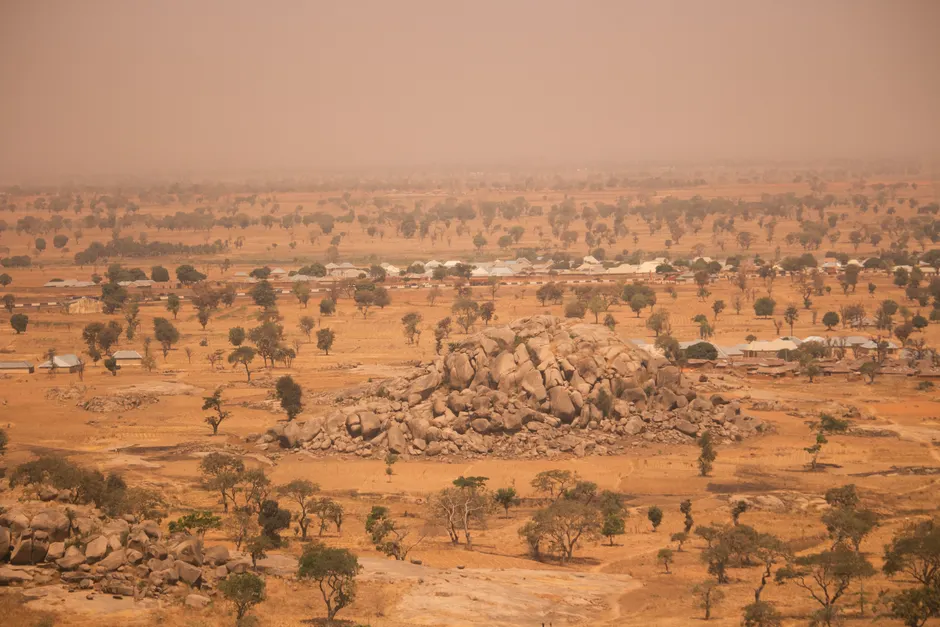
Deadly Firefight in Northwestern Nigeria: What the Kebbi State Clash Reveals About the Bandit Crisis
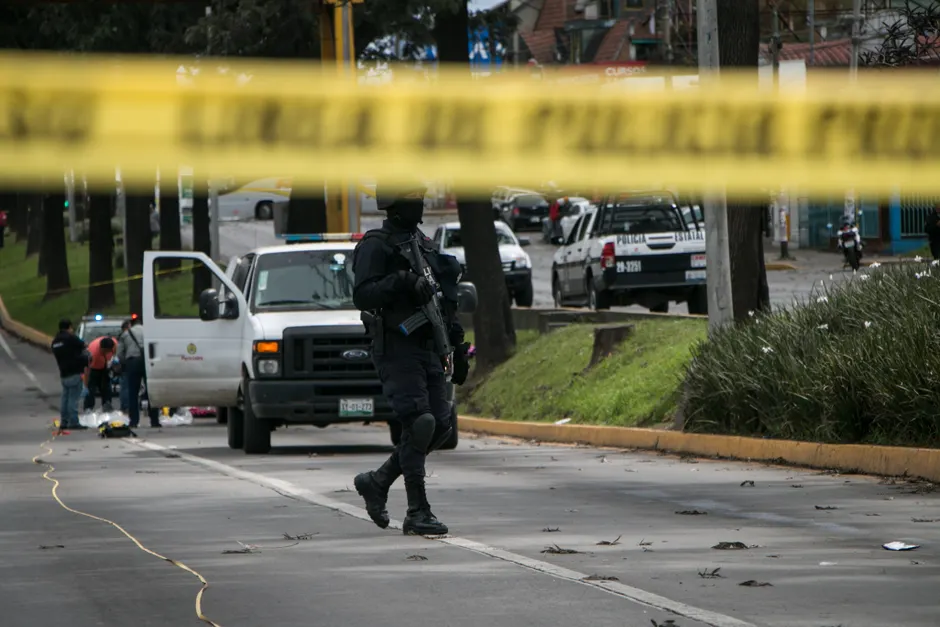
At least 10 Nigerian police officers were killed in a gun battle with a large, heavily armed group in Kebbi State, northwestern Nigeria, on Monday, August 10, 2026. Nigerian police said 17 suspected bandits and two civilians also died in the clashes, according to Al Jazeera.
The confrontation began when police encountered a group of roughly 240 suspected bandits traveling on more than 200 motorcycles from Zamfara State into neighboring Kebbi State. A Nigerian police report dated August 10 said information available to officers at approximately 7:40 p.m. indicated that the armed bandits had already attacked, Sahara Reporters reported.
Kebbi State police spokesman Bashir Usman told AFP that two officers were injured and receiving medical treatment. Usman also said the final casualty figures were still being assessed, Al Jazeera reported.
The scale of the bandit convoy deserves a closer look. A force of around 240 fighters moving across a state border in organized formation suggests a level of planning and coordination that goes well beyond a spontaneous ambush. It implies advance reconnaissance of routes, confidence in the group's ability to evade or fight off interception, and the kind of logistical capacity usually associated with more structured militant operations. The fact that Nigerian police engaged this convoy directly, rather than immediately calling for military backup as the primary response, raises questions about how frontline security units in the Northwest are positioned and what rapid-response resources state-level forces actually have at their disposal.
The reported toll — at least 10 officers, 17 suspected bandits, and two civilians dead, with numbers still under review — places this among the deadlier single encounters between Nigerian security forces and armed groups in the region in recent months. The casualty ratio, roughly 1.7 bandits killed for every officer lost, also warrants attention. In asymmetric engagements (conflicts where one side is significantly larger or better armed), the force that initiates contact usually inflicts disproportionate losses. The more balanced ratio here suggests the police may have been reacting to a coordinated assault rather than carrying out a planned interception, or that the bandits' numerical advantage and firepower let them mount sustained resistance.
The cross-border movement from Zamfara into Kebbi follows a well-documented pattern. Bandit groups in northwestern Nigeria have long operated across porous state boundaries, taking advantage of thin security presence in rural areas and the difficulty of coordinating pursuit across multiple states. Zamfara in particular has served as a recurring hub for armed group mobilization, with fighters staging raids into neighboring Kebbi, Sokoto, and Niger States. Motorcycles are a consistent feature of these groups' mobility, allowing rapid movement across terrain where conventional vehicles cannot easily follow — similar to how insurgent forces in other conflict zones have used lightweight transport to outmaneuver heavier, road-bound units.
The broader context here is the sustained pressure on Nigerian federal and state authorities to show progress against northwestern banditry, a threat that has persisted alongside the better-known Boko Haram insurgency in the Northeast. The two conflicts have different roots, but the bandit crisis has generated its own displacement emergency, with communities across Zamfara, Kebbi, Sokoto, and Kaduna States facing repeated attacks. Kebbi, while not the most frequently targeted state, has experienced enough cross-border incursions to remain on high alert.
One open question is whether police had intelligence about the convoy's movement before the engagement, or whether the contact was incidental. The police report's reference to information received at roughly 7:40 p.m. suggests some form of early warning, but how that intelligence was generated and acted upon remains unclear. If an intelligence-to-contact chain existed, the outcome — 10 officers killed — raises difficult questions about whether the responding force was adequately sized and equipped for a group of this magnitude. If no such chain existed, the encounter points to persistent gaps in rural surveillance across the region.
Usman's statement that final casualty figures remain under assessment is a standard caveat, but in past incidents in the Northwest, initial police tolls have sometimes been revised upward as additional bodies are recovered from remote engagement sites. The terrain in the Kebbi-Zamfara border area, largely farmland and sparse bush, can delay body recovery and battlefield assessment.
The killing of two civilians adds a civilian protection dimension that will draw scrutiny from state authorities and human rights monitors alike. Whether the civilians were caught in crossfire, targeted by the bandit group, or harmed in some other way has not been specified in the available reporting.