Nigerian Troops Rescue 33 Kidnapped Travellers in Zamfara State

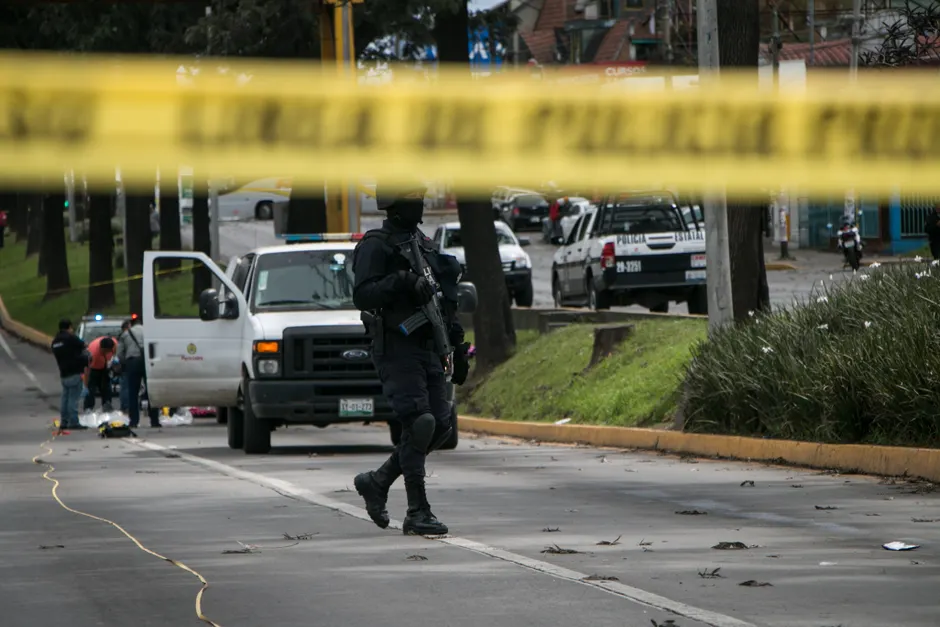
Nigerian army troops rescued 33 people on August 8, 2026, shortly after they were kidnapped by armed men in the Tsafe area of Zamfara state. The rescue, carried out by troops of Operation FANSAN YAMMA, resulted in the recovery of all hostages without any casualties Voice of Nigeria.
The 33 travellers were abducted in the late afternoon near Magazu, in Tsafe Local Government Area of Zamfara State. According to army spokesman Lt-Col Aliyu Danja, Nigerian army troops mobilised alongside police immediately after hearing about the abduction. The military intercepted the kidnappers while they were moving the hostages to an unknown location. Danja said it was unclear where the abductors were moving their captives when troops intercepted them BBC.
Upon coming under fire from the troops, the gunmen fled into nearby bush, abandoning the hostages. The army confirmed that all 33 passengers were recovered without any casualties The Nation.
Zamfara state, located in Nigeria's northwest, has been a persistent theatre of armed banditry and kidnapping for several years. Groups operating in the region frequently exploit the area's forest reserves as transit corridors and safe havens, targeting travellers on highways and rural communities. The deployment of Operation FANSAN YAMMA reflects the Nigerian military's sustained, theatre-specific counter-insurgency posture aimed at disrupting these networks.
The broader context here is the operational tempo of Nigeria's security forces in the northwest. A rapid mobilisation response, where troops intercept kidnappers mid-transit rather than pursuing them into forest hideouts after the fact, points to the value of real-time intelligence and immediate armed engagement. Think of it as intercepting a theft in progress rather than chasing the thief after the stolen goods have already been hidden away. The fact that all 33 hostages were recovered unharmed, without a firefight centred on the captives themselves, is tactically significant. It suggests that the element of surprise, combined with coordinated pressure from both the army and police, can be sufficient to force an adversary to abandon their human cargo.
However, the gunmen's retreat into the bush also follows an established pattern. Non-state armed groups in the Sahel and Lake Chad basin routinely use porous terrain to evade state forces, regroup, and resume operations. The tactical victory in Tsafe addresses the immediate humanitarian crisis of the 33 passengers but leaves the underlying infrastructure of armed banditry intact.
For security planners and analysts watching Nigeria's northwest, the Tsafe rescue will be measured against two metrics: the frequency of such successful interceptions and the overall incidence of kidnapping in the corridor. A single rescue, however clean, does not shift the strategic landscape. The durability of this operational model depends on whether the Nigerian military can sustain the intelligence-gathering and rapid-response capabilities that made this interception possible, or whether armed groups will adapt their transit and hostage-holding tactics in response.