An Ebola Outbreak We Almost Missed: What Happened in Congo and Why It Matters

The Alert Came Late
The World Health Organization declared a Public Health Emergency of International Concern (PHEIC) — its highest-level warning — over an Ebola outbreak in Ituri province in eastern Congo. As of May 2026, more than 500 suspected cases had been reported, according to AP News. What made this situation particularly serious was that the virus spread undetected for weeks before anyone realized what they were dealing with.
The reason was frustratingly technical: doctors tested patients for the two most common Ebola strains in the region — Sudan and Zaire ebolavirus — and got negative results. The actual culprit was something rarer: Bundibugyo virus, a filovirus first identified in Uganda in 2007. Because standard tests were designed to catch the more common strains, this one slipped through. By the time genetic sequencing finally pinned down the correct pathogen, the virus had already spread to multiple communities.
A Pathogen We Don't Have the Right Tools For
Bundibugyo ebolavirus belongs to the same family as the Zaire strain that caused the devastating 2014–2016 West Africa epidemic. Its fatality rate is lower than Zaire — historically around 25 percent of confirmed cases — but it is still a serious threat.
Here is where the problem becomes clearer: the antibody-based drugs (mAb114 and REGN-EB3) that saved lives during the 2018–2020 Kivu outbreak were designed specifically for Zaire ebolavirus. They do not work well against Bundibugyo. The Ervebo vaccine, which proved highly effective against Zaire, also does not protect against Bundibugyo.
This matters because it means the playbook that worked in Congo before — using vaccines to protect contacts of infected people, deploying proven medicines — cannot simply be copied. Public health teams would have to rely instead on the harder, slower work: finding and isolating every contact of an infected person, ensuring safe burials, and building trust with communities so people actually cooperate. In a conflict-affected region where trust is already strained, that is a much steeper climb.
Why Ituri Makes Everything Harder
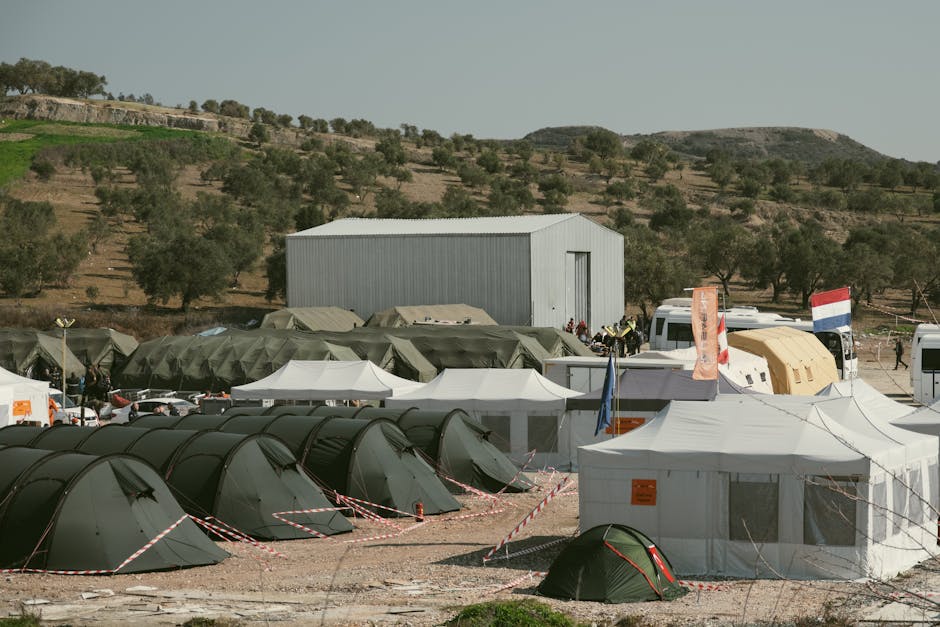
Ituri province is already dealing with decades of armed group activity, displacement camps, and a health system worn thin by repeated crises. Doctors and nurses operate under constant security constraints. Communities have seen aid workers come and go through cycles of violence. That history of instability creates skepticism about outsiders trying to conduct disease investigations.
This has happened before in Congo. In 2018, when Ebola broke out in neighboring North Kivu — also an active conflict zone — the combination of insecurity, community mistrust, and weak health infrastructure led to over 3,400 cases across two years. It became the second-largest Ebola outbreak in history. The conditions in Ituri in 2026 look uncomfortably similar, and now there is the added problem of having no proven vaccines or medicines tailored to this particular virus.
What the PHEIC Declaration Actually Does
In late May, WHO Director-General Tedros Adhanom Ghebreyesus traveled to Bunia, the capital of Ituri province, signaling that this outbreak had reached the top of the organization's priority list. Director-Generals do not routinely visit active outbreak zones — such visits are meant to unlock resources, boost morale among health workers, and keep pressure on governments and donor countries to act fast.
The PHEIC declaration itself is a formal mechanism under international health rules. It requires countries to review whether they are ready to detect and respond to the outbreak. It allows WHO to issue travel and trade recommendations if needed. It unlocks emergency funding and sends a signal to donors and aid organizations that resources should flow to this crisis. That said, PHEIC declarations do not automatically translate into rapid funding — the track record on that is mixed.
A Diagnostic System That Missed the Mark
The weeks of undetected spread raise an important question: why did it take so long to identify Bundibugyo?
The answer reflects a trade-off built into how health systems work in resource-limited settings. Front-line clinics in Ituri rely on rapid tests designed to catch the most likely culprits. That is a rational choice when resources are scarce. But it creates a blind spot: if something uncommon shows up, you may miss it. Identifying Bundibugyo required sophisticated genetic sequencing equipment that is not available at every local clinic.
This is not a new problem. A similar diagnostic miss happened in Uganda in 2021 with a Sudan ebolavirus outbreak. The lesson is clear: outbreak preparedness systems need to build in a reflex — an automatic next step — of broader genetic testing whenever patients have hemorrhagic fever symptoms that do not match the expected pathogens, even if initial rapid tests come back negative. It costs money to have that redundancy in place, but the alternative is outbreaks spreading unchecked for weeks.
What Happens Now
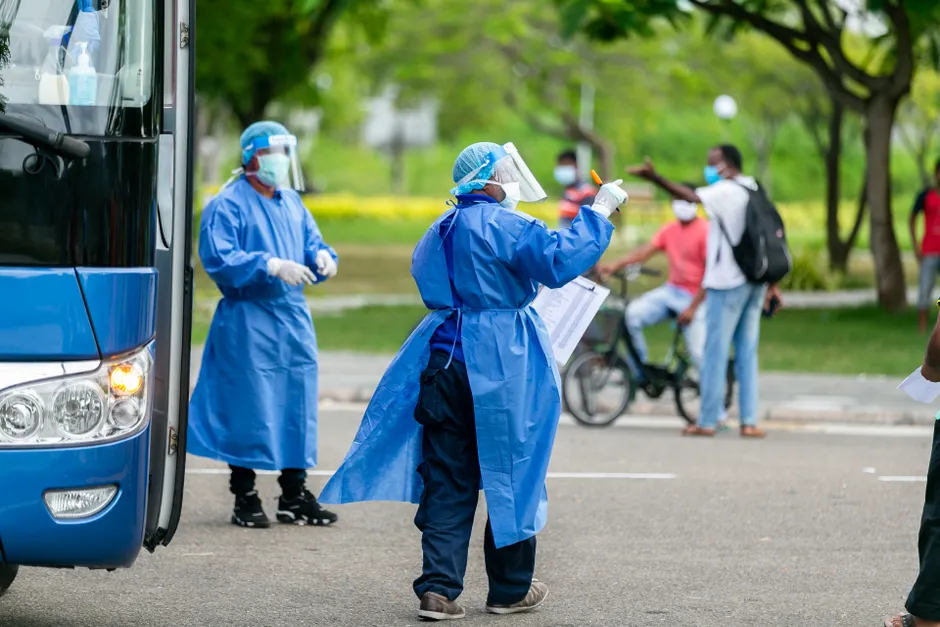
In the immediate term, responders need to get treatment centers up and running, deploy teams to track down contacts of infected people, and negotiate access with armed groups that control parts of Ituri. On the medicine front, WHO and partners are likely exploring whether experimental vaccines in early development could be made available to people at highest risk.
The PHEIC declaration also puts neighboring countries on alert. Uganda, which shares a porous border with Ituri, is heightening surveillance at crossings. Population movement across that border is constant — it is the same route that brought Bundibugyo into Uganda in the first place, back in 2007.
The broader context here is that outbreaks in conflict zones almost always become longer, deadlier, and harder to contain. The health system is weaker, the virus has more room to spread, and the tools we normally rely on may not fit the specific threat. Congo has faced this dynamic before. How quickly resources arrive and how well local communities cooperate with responders will determine whether this outbreak tracks toward the smaller outbreaks of years past or toward the scale of the 2014–2016 catastrophe.
The 500-plus suspected cases reported in May 2026 is what was documented at that moment. Given the weeks of undetected spread, the true number is almost certainly higher. In the coming weeks, all attention will focus on one question: is the outbreak still accelerating, or has it started to slow?