The 2026 Ebola Outbreak in Congo: What's Happening and What Makes It Difficult to Stop
The 2026 Ebola Outbreak in Congo: What's Happening and What Makes It Difficult to Stop
The Democratic Republic of the Congo is experiencing a Bundibugyo virus outbreak — one of six known Ebola species — with 515 confirmed cases and 91 deaths as of early June 2026, according to a WHO Disease Outbreak News report. The death rate stands at 17.7%. Bundibugyo virus has appeared only twice before: in Uganda in 2007 and in Congo's Orientale Province in 2012.
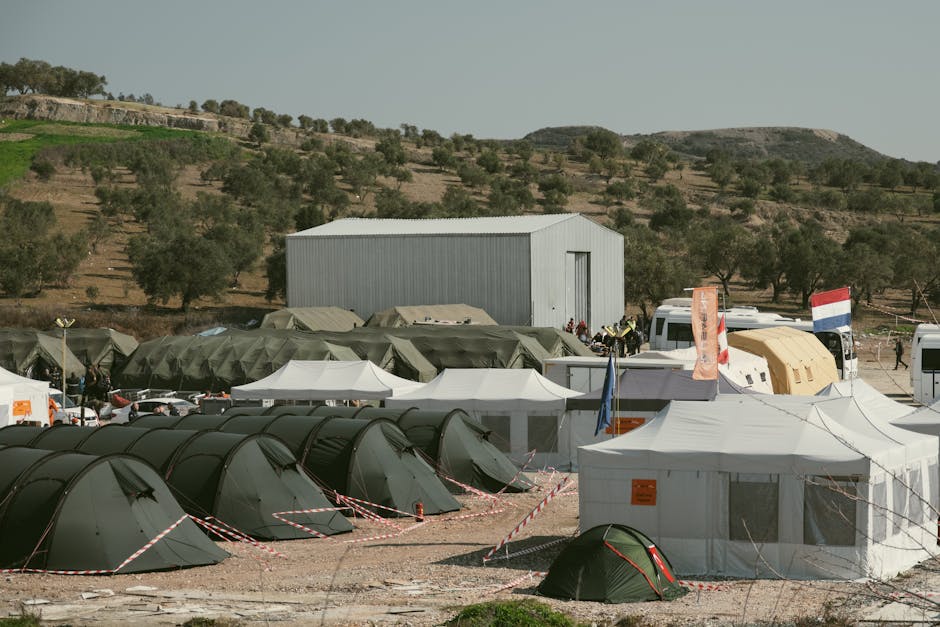
The outbreak is centered in Ituri Province in northeastern Congo, the same region that was hit hardest by the major 2018–2020 Kivu outbreak — which was caused by a different Ebola species and became the second-largest outbreak in recorded history. That earlier outbreak was complicated by armed conflict, local distrust of health workers, and exhaustion among response teams. Ituri's remote location, weak infrastructure, and ongoing security instability make it particularly challenging territory for containing any disease.
How Quickly Was This Recognized?
The World Health Organization's response moved fast once lab tests confirmed cases. On May 16, only eight cases had been confirmed in the lab, even though there were 246 suspected cases and 80 suspected deaths in Ituri Province, per WHO. The very next day, May 17, WHO declared it a Public Health Emergency of International Concern (PHEIC) — the organization's highest alert level under international health rules — and confirmed that the virus had spread to Uganda as well.
This speed is noteworthy because WHO faced widespread criticism in the past for slow emergency declarations. The 2014 West African outbreak wasn't declared a PHEIC until about five months after the first case; the 2018 Kivu outbreak went nearly two years without that designation despite its severity. The faster response here reflects lessons learned and new rules adopted in 2024. WHO's decision to issue a PHEIC alert with fewer than 250 suspected cases shows the organization has adjusted its threshold for action.
The jump from 246 suspected cases on May 16 to 515 confirmed cases by June 6 follows a common pattern in Bundibugyo outbreaks. Remote areas and diseases with overlapping symptoms — like malaria, typhoid, and other hemorrhagic fevers — lead to initial underdetection. Once response teams deploy labs and staff to the region, confirmation speeds up. The 17.7% death rate is considerably lower than the 40–90% range typical of other Ebola species, which is a known characteristic of Bundibugyo virus. That percentage may shift as more cases are confirmed.
The Unified Response Plan
On June 5, the Africa CDC and WHO launched a six-month continental response plan structured around what they call a "One Response" approach. The idea is to bring together government health ministries, international partners, and local communities under one command structure — rather than the fragmented, overlapping chains of command that got in the way during the 2018–2020 outbreak.
The timing is significant. A six-month window through November 2026 aligns with Ituri's rainy season, which historically makes road access harder and complicates the cold chains needed to store and transport vaccines. There is currently no vaccine designed specifically for Bundibugyo virus. The approved Ervebo vaccine protects against another Ebola species but not this one. Candidate vaccines for Bundibugyo are still in testing. That's a major limitation because ring vaccination — vaccinating people around confirmed cases — was the strategy that worked well in containing the 2018 Ebola outbreak.
This is the 17th recorded Ebola outbreak in Congo's history, which points to a broader reality: the country sits at an ecological crossroads with animal reservoirs that carry the virus, and its health system has not been rebuilt sufficiently between outbreaks. The response infrastructure now in place — provincial health divisions, national laboratory networks, WHO's country office, and the new Africa CDC operational layer — is more developed than what existed in 2018. The central question heading into the most demanding phase of the response is whether that machinery is strong enough to contain this outbreak in remote terrain without a vaccine tailored to this specific virus.
The broader context here is that Ituri Province remains volatile and difficult to access. Disease containment depends on trust with communities, reliable travel and supply lines, and the ability to move quickly. Congo's health system, while improved since 2018, still faces chronic staffing gaps and funding instability. The fact that this outbreak emerged in one of the most challenging environments in the country makes the job exponentially harder than it would be elsewhere.