A Hedge Fund Lost 67% in July. Then It Bought 11.62% of a Japanese Components Maker.
Situational Awareness, the hedge fund run by Leopold Aschenbrenner, disclosed an 11.62% stake in Taiyo Yuden on August 12, 2026. Shares of the Japanese electronic components maker rose that same Wednesday. Investing.com
The disclosure fits a pattern for Aschenbrenner's fund. In late May, Situational Awareness disclosed a position of over 12 million shares in Nebius, an AI infrastructure company, after which Nebius stock climbed. CNBC The Taiyo Yuden announcement repeats that sequence: a large equity disclosure from the fund, followed by an immediate positive price reaction in the target company.
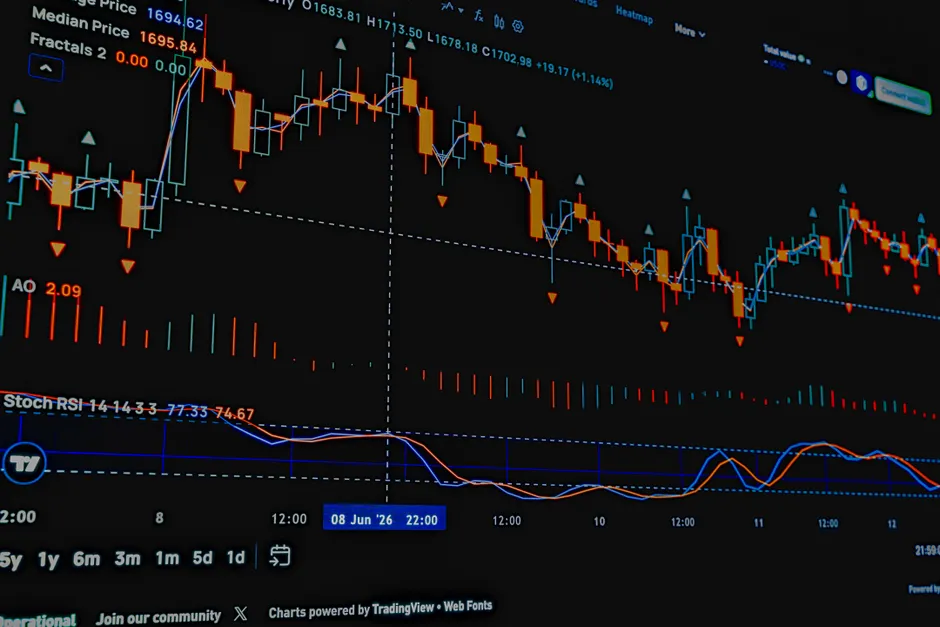
The new position lands against a far less flattering backdrop for the fund. Situational Awareness' portfolio value fell 67% in July 2026 after steep losses on AI stocks, according to a letter the fund sent to investors. Reuters That drawdown — industry shorthand for a peak-to-trough decline — was disclosed barely two weeks before the Taiyo Yuden stake, situating the new position within an effort to rebuild or reposition after a punishing month.
Situational Awareness was also the anchor investor in a broader corporate transaction earlier this summer. On June 17, 2026, SharonAI Holdings Inc. announced an oversubscribed US$1.6 billion strategic transaction anchored by Situational Awareness L.P. and funds. SEC filing That deal tied Aschenbrenner's fund to the AI infrastructure stack at the holding-company level, even as the fund's public-equity portfolio was about to take the July hit.
The sequence across these three events deserves attention. In May, a concentrated Nebius stake and a rising share price. In June, a US$1.6 billion anchoring role in SharonAI's strategic transaction. In July, a 67% portfolio collapse driven by AI equities. And now in August, a fresh 11.62% stake in Taiyo Yuden, a Japanese manufacturer whose ceramic capacitor and inductor business sits squarely in the AI hardware supply chain. The fund is not retreating from AI exposure after July's losses. It is rotating, or at least broadening, where it places that exposure.
For market participants, the mechanics of how these stakes move prices matters. A disclosure of an 11.62% position is large by any standard. In Japan, large-share disclosures function similarly to the 13D filings required in the U.S. when an investor crosses a 5% ownership threshold — they signal that a significant, potentially activist investor has taken a material position. The immediate share-price reaction in Taiyo Yuden suggests the market is pricing in either an activist push or simply the endorsement of a high-conviction investor. The Nebius precedent, where shares also rose on disclosure, indicates that Situational Awareness' filings carry short-term informational weight regardless of whether activist action actually follows.
The broader context here is about durability and risk. The fund's July letter documented a 67% portfolio decline in a single month, which means the cost basis and risk management behind these positions are opaque to outside observers. A disclosed stake tells you direction and conviction. It does not tell you position sizing relative to fund capital, hedging structures, or whether the position has been trimmed since the disclosure threshold was crossed. Investors reading these filings as pure bullish signals are getting the thesis without the risk overlay.
The July drawdown also raises a structural question about concentration. A fund that lost two-thirds of its portfolio value in one month on AI stocks, and is now taking large concentrated stakes in AI-adjacent names, is either doubling down on a thesis it believes was punished unjustly by the July rout, or it is operating with a risk tolerance that outside capital should scrutinize. The fund's role in the SharonAI transaction suggests institutional capital is still willing to commit alongside Aschenbrenner, but the gap between the June deal and the July letter is narrow enough to warrant attention from anyone tracking the fund's trajectory.
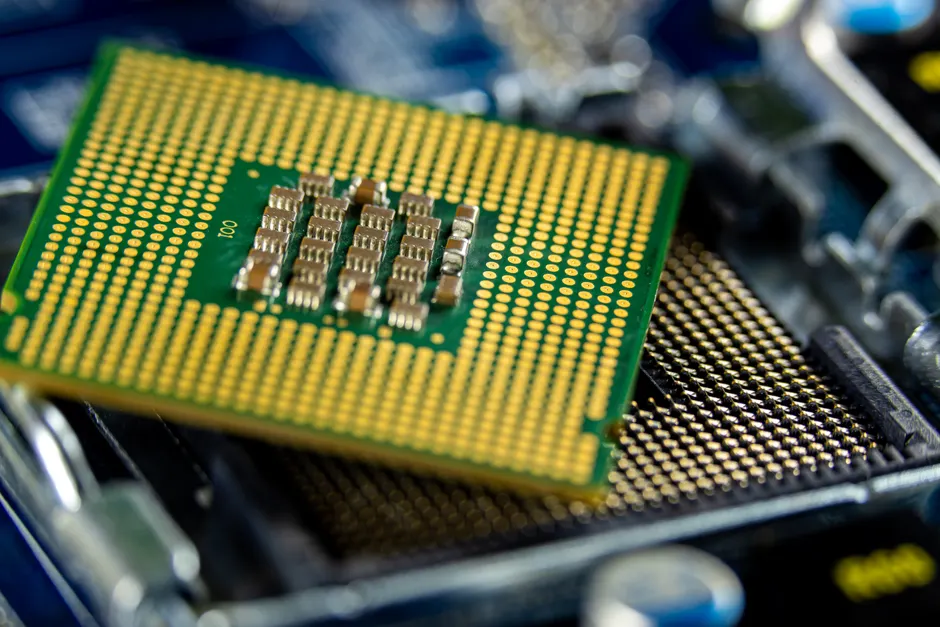
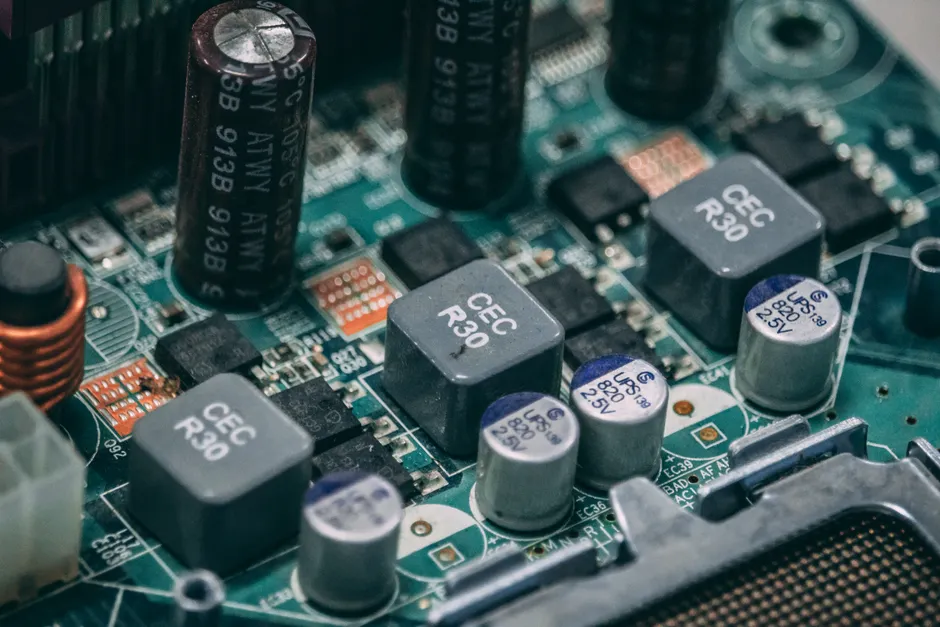
Taiyo Yuden itself is a meaningful target for an AI-adjacent thesis. The company is a major supplier of multilayer ceramic capacitors (MLCCs) and inductors — components that go into servers, GPUs, and power management circuits for data center buildouts. An 11.62% stake in a components supplier is a bet on the physical infrastructure layer of AI rather than the model or platform layer where the fund's July losses presumably originated. Whether that sectoral rotation was deliberate risk management or simply the next high-conviction idea is not disclosed in the filing.
What is clear from the sequence is that Aschenbrenner's fund remains active, publicly visible, and willing to take concentrated positions even immediately after a severe drawdown. The market's positive reaction to the Taiyo Yuden disclosure, like the Nebius reaction before it, indicates that the Situational Awareness name still carries short-term price-moving weight. How long that weight persists, given the July performance record now in the public domain, is the question any counterparty or co-investor should be weighing.