Trump's Mid-Trip Plane Switch: A Decoy Operation and the Questions It Raises
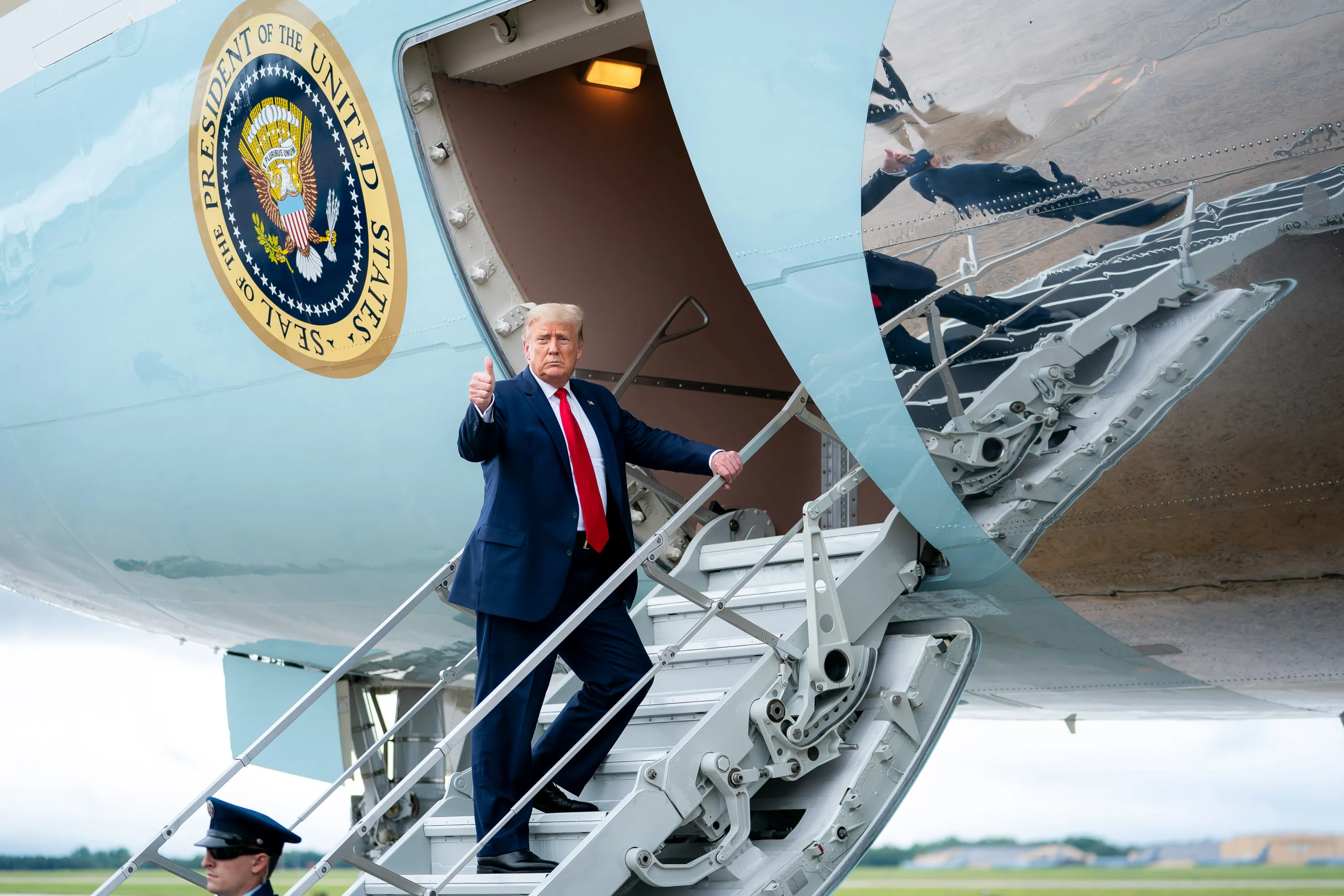
President Donald Trump secretly left Air Force One during a stop in Turkey after US intelligence identified a credible Iranian plot to kill him, leaving more than a hundred aides, officials, and reporters aboard the aircraft to fly toward Britain without being told of the threat.
The episode, first reported by the Washington Post and the New York Times, occurred as Trump departed a NATO summit in Ankara. According to the Washington Post, Trump boarded the older Air Force One jumbo jet in front of cameras, then was secretly moved by an airport catering truck to a smaller military plane, while Air Force One served as a decoy — a diversion designed to mislead potential attackers. Reuters confirmed the catering-truck extraction, and Fox News reported that staff, Secret Service personnel, and the traveling press remained on the aircraft. The BBC described the operation as an elaborate ruse in response to a possible threat.
The Secret Service had urged Trump to depart Turkey on the older VC-25 rather than the newly retrofitted Qatari-gifted aircraft, according to ABC News. The intelligence community assessed that Iran had plotted to kill Trump the previous month, a threat deemed credible enough to trigger the extraordinary countermeasure. The Washington Post reported that the secret flight contradicted public statements about the trip.
Trump addressed the episode with reporters after returning from an event in Ohio. He said the Secret Service and military wanted him on a different plane due to a threat and that he had little choice in the matter. He said he did not ask much about the threat, adding that he gets a lot of threats. According to the Associated Press via The Guardian, Trump downplayed the extraordinary nature of the subterfuge and the risk to those left on the plane.
The decision to use Air Force One as a decoy while leaving approximately a hundred people aboard has drawn sharp scrutiny from former intelligence officials and lawmakers. Steven Cash, executive director of the Steady State and a former CIA intelligence officer, said the operation appeared aimed at reducing danger to Trump by offering up around 100 people to be killed in his place. Senator Richard Blumenthal of Connecticut called the operation "unprecedented, surreal and downright scary" on CNN and demanded a congressional briefing. Democrats more broadly have called for a formal congressional briefing on the episode.
Air Force One, the designated call sign for any Air Force aircraft carrying the president, typically carries senior advisors, Secret Service officers, the traveling press pool, and other guests in addition to the president himself, as noted on the White House website. The fact that more than a hundred individuals remained onboard the decoy aircraft without notification of the threat has raised questions about the threshold at which protective protocols for the president override the duty of care to supporting personnel.
The broader context here is the escalating tempo of Iranian threats against Trump personally. US intelligence's determination that a plot was credible enough to warrant abandoning the primary presidential aircraft mid-trip signals a threat assessment tier that goes well beyond routine security precautions. Think of it this way: if the Secret Service ordinarily builds a fortress around the president, this was the equivalent of abandoning the fortress and using the people still inside it as part of the diversion. The decision to keep passengers uninformed while using their presence as part of a deception operation sits at an uncomfortable intersection of operational security — the practice of keeping sensitive details hidden to protect a mission — and institutional transparency.
Whether Congress will receive the briefing Democrats are demanding, and what additional countermeasures may follow, are open questions. The episode has already exposed a gap between the Secret Service's protective logic and the expectations of those who routinely fly aboard the presidential aircraft under the assumption that they share the president's security envelope.


