Israeli Strike in Southern Lebanon Kills Nine in a Single Day, Raising Escalation Fears

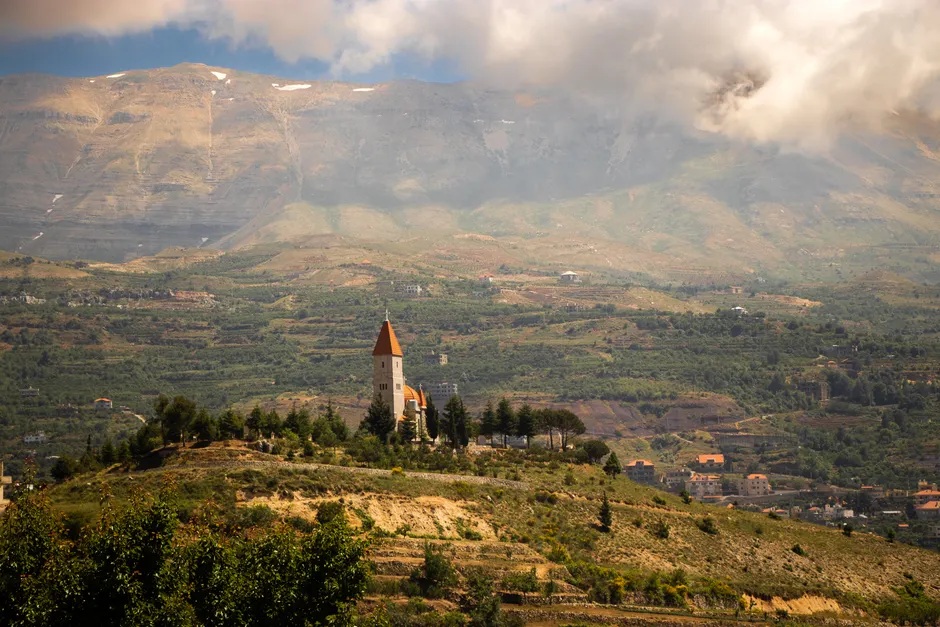
An Israeli air strike on the outskirts of Ansar, a village in southern Lebanon's Nabatieh district, killed seven people in the early hours of 15 August 2026, according to Lebanese Prime Minister Nawaf Salam. The strike hit a house sheltering displaced families at approximately 04:30 local time (01:30 GMT). Lebanese state media described it as the worst death toll in southern Lebanon since June 2026.
Lebanon's Health Ministry confirmed that among the seven killed were three children and two women. Two people were wounded. The National News Agency provided the same breakdown.
A separate round of Israeli strikes hit the town of Deir al Zahrani the same morning, killing two and injuring nine, according to the Lebanese Ministry of Health.
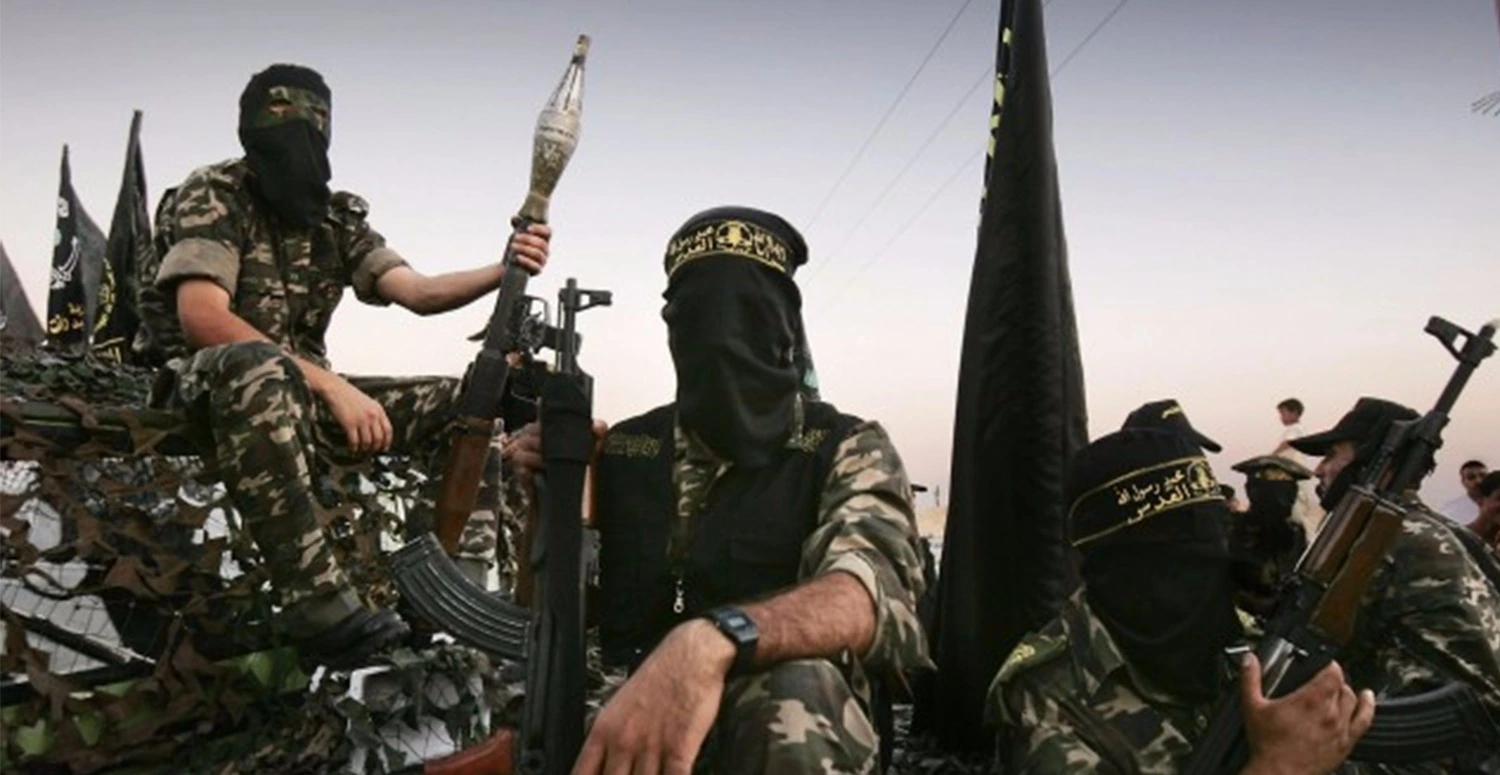
Israel's military said it targeted what it called "Hezbollah terror infrastructure" in response to an earlier hostile action against its soldiers. The IDF — Israel's military — specified that the triggering incident took place at Ali al-Taher Ridge, a strategic high ground overlooking south-eastern Lebanon. Hezbollah is the Lebanese armed group and political party that has fought Israel for decades; Israel and several other countries classify it as a terrorist organization.
Prime Minister Salam condemned the strikes, pushing back directly against the IDF's framing. The civilians killed, he said, were not "military infrastructure." He urged Israel to halt the escalation.
The broader context here is the ongoing Israeli military presence in southern Lebanon. Israeli forces continue to occupy roughly five percent of Lebanese territory — a situation that shapes every exchange along the southern frontier and colors how Lebanese officials respond to any strike that kills non-combatants. When a house sheltering displaced families is hit, the gap between Israel's stated targeting of Hezbollah infrastructure and the civilian casualties on the ground becomes the immediate political fault line.
The geographic logic is worth noting. Ali al-Taher Ridge commands terrain overlooking south-eastern Lebanon, which makes it a militarily significant position for monitoring or directing fire. Israel's characterization of its operation as a response to hostile action at that location places the Ansar strike within a retaliation framework — a reaction to a specific event — rather than a pre-planned mission. Lebanese officials, however, are framing the civilian toll as evidence that Israel's targeting is either imprecise or indiscriminate. Those competing narratives, civilian casualties versus militant infrastructure, are now the central contested ground.
What gives this incident particular weight is the casualty figure relative to the recent baseline. Lebanese state media's designation of the Ansar strike as the deadliest single event in southern Lebanon since June indicates that, whatever the pace of lower-level exchanges, incidents of this lethality remain infrequent enough to register as escalatory markers — signals that the conflict may be intensifying rather than holding steady. The Deir al Zahrani strikes on the same morning compound that picture: two locations, nine dead, eleven wounded, all within a single day.
For Lebanon's leadership, the strikes create a two-front political pressure. Salam must respond to domestic outrage over civilian deaths, including children, while managing the strategic reality that Israel retains forces on Lebanese soil and continues to conduct strikes it frames as defensive. His call for Israel to halt the escalation is a diplomatic signal directed outward, but it also serves an internal purpose: establishing that the Lebanese government's priority is protecting civilians, not aligning with Hezbollah's military posture.
Israel, for its part, has anchored its justification in a specific triggering event at Ali al-Taher Ridge and the broader category of Hezbollah infrastructure. That framing is designed to keep the strikes within an internationally recognizable self-defense paradigm — a legal and diplomatic category that gives a country cover under international law to use force in response to an armed attack. Whether that framing holds depends on what the targeting chain actually looked like, and the identities of those killed will be central to that assessment.
The coming days will show whether this incident produces further escalation along the southern boundary or whether both sides absorb it within the established pattern of calibrated strikes and counterstrikes. The simultaneous strikes on Ansar and Deir al Zahrani, however, suggest at minimum an intensified operational tempo on 15 August, and the civilian toll raises the political stakes for any next move.