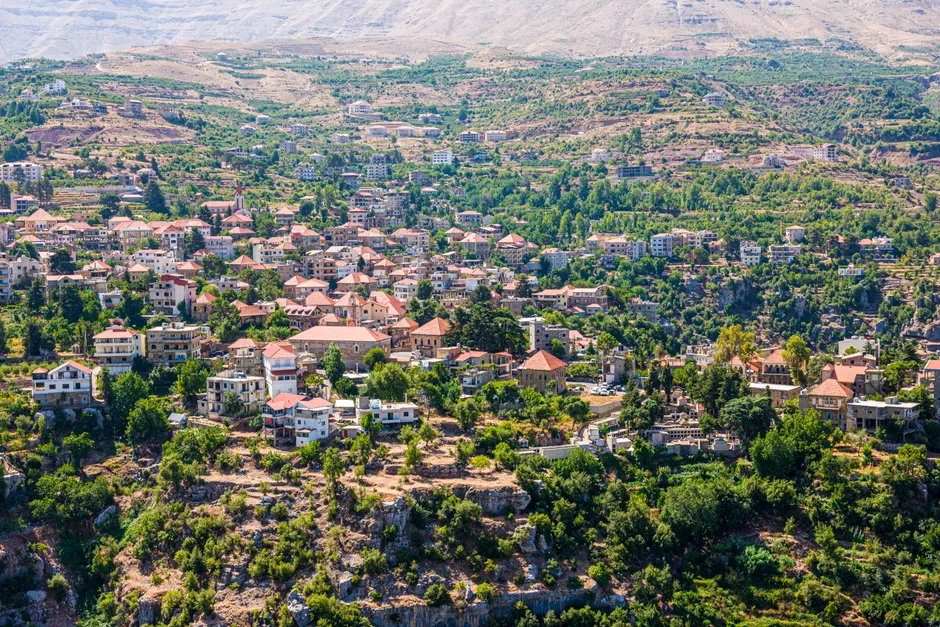
Ceasefire Strains: Deadly Israeli Strikes Hit Southern Lebanon
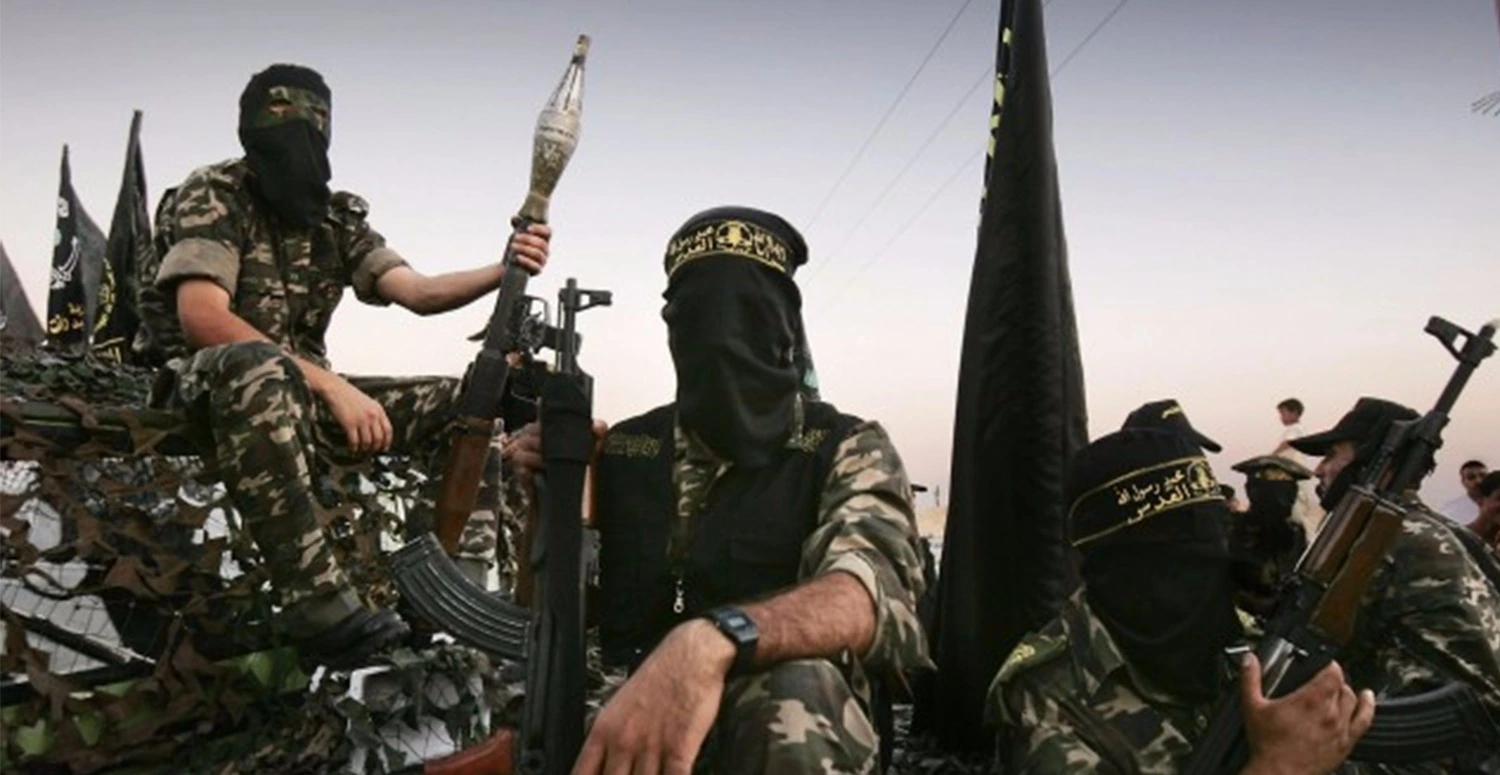
At least 11 people, including several children, were killed on August 16, 2026, in Israeli airstrikes across southern Lebanon's Nabatieh district. It was the deadliest escalation since a US-brokered ceasefire took hold in June. Lebanon's Ministry of Public Health confirmed the death toll, while Lebanon's National News Agency reported 19 wounded (Al Jazeera).
The strikes hit multiple locations. In the village of Ansar, Israeli warplanes struck a house on the village outskirts, destroying the building and killing seven people — three children and two women among them, according to the National News Agency (Reuters). Four more people were killed in a separate strike on the village of Deir al-Zahrani (Al Jazeera).
The Israeli military also struck the Ali al-Taher ridge in the Nabatieh district, near the UNESCO-listed Beaufort Castle. Hezbollah's television channel Al-Manar reported blasts near the Ali al-Taher hills and the Dabsha area, while the Nabatieh news channel placed the raids near the town of Kfar Reman. Explosions were reported in the southern towns of Bint Jbeil and Taybeh. Israeli drones targeted the outskirts of al-Mansouri, and artillery shelling was reported in Sarbin, Barashit, al-Mansouri, and Wadi Zibqin (Al Jazeera).
The Israeli military said the August 16 attacks were carried out in response to an action by Hezbollah against Israeli soldiers at the Ali al-Taher Ridge. Prime Minister Benjamin Netanyahu's office said on X that the military struck "the Hezbollah terror headquarters which ordered the attack," and that "only later did the military learn Hezbollah deliberately put civilians in that military compound" (Al Jazeera).
To understand why the ceasefire broke, some background is needed. The truce was built across two US-mediated agreements. On June 4, 2026, Lebanon and Israel agreed to a truce that required Hezbollah to stop all fire and evacuate its fighters from positions near the border. A second agreement on June 27 did not specifically call for the withdrawal of Israeli forces. Instead, it tied any such withdrawal to the disarmament of Hezbollah — a deliberate sequencing choice that left both sides with unresolved obligations and competing interpretations of what compliance meant (Al Jazeera).
The August 16 strikes came as the Lebanese government was planning another round of talks with Israel in September. The timing raises questions about whether the escalation derails that diplomatic track entirely, or whether it functions as a coercive prelude to negotiations — a pattern familiar to observers of the 2023–2026 Israel-Hezbollah confrontation, where military pressure has repeatedly preceded diplomatic engagement (Al Jazeera).
The ceasefire's structural weaknesses help explain why it broke. The June 27 agreement linked Israeli withdrawal to Hezbollah disarmament without specifying timelines, verification mechanisms, or sequencing, leaving each party free to accuse the other of non-compliance. Israel retains a military presence in southern Lebanon, and Hezbollah has not fully evacuated the zone, meaning both conditions the ceasefire was built on remain unmet. The August 6 deaths of two Israeli soldiers, killed by an explosion during a security sweep inside a building in southern Lebanon, illustrate that the ceasefire never achieved a full cessation of hostilities on the ground (Reuters).
Lebanese leaders condemned the August 16 strikes as the worst attacks since the ceasefire's renewal in June. The scale of civilian casualties, with children among the dead in Ansar, will intensify domestic pressure on the Lebanese government to suspend or condition the planned September talks. For Hezbollah, the strikes provide a justification for retaining its armed presence in the south, which is precisely the condition Israel has demanded be dismantled as a prerequisite for withdrawal. The two positions remain fundamentally incompatible, and the June agreements did not bridge that gap.
The broader context here is that the Trump administration, which brokered both truce agreements, now faces a test of whether its diplomatic framework can survive a casualty event of this magnitude. The agreements were light on enforcement provisions and heavy on mutual obligations that neither side has fully met. Whether Washington re-engages with a more detailed enforcement mechanism, or allows the parties to revert to escalation, will shape the trajectory of the Israel-Lebanon border through the autumn.
What is clear is that the June ceasefire, as structured, could not absorb a military incident of this scale. The Ali al-Taher Ridge exchange — Hezbollah targeting Israeli soldiers, Israel striking what it identified as a Hezbollah command headquarters — activated a retaliatory logic that the agreements were not designed to restrain. The civilian deaths in Ansar and Deir al-Zahrani now sit at the center of that unresolved tension between ceasefire commitments and the operational realities on the ground.