Israeli Airstrikes Kill a Newlywed Woman in Southern Lebanon Amid Escalating Cross-Border Violence

An Israeli airstrike hit the southern Lebanese town of Arab Salim on August 27, 2026, killing a Lebanese woman and wounding six others, according to Lebanon's Ministry of Health. The woman, identified by Lebanon's state-run National News Agency as a newlywed married just 48 hours earlier, died when her house was destroyed in the attack on the Nabatieh district town.
Lebanon's Health Ministry said the six wounded included a child, a woman, and two elderly people. Al Jazeera correspondent Zeina Khodr, reporting from Beirut, said the strike targeted a residential area. Lebanese security sources said at least 10 Israeli strikes were carried out across the wider Nabatieh area that same day.
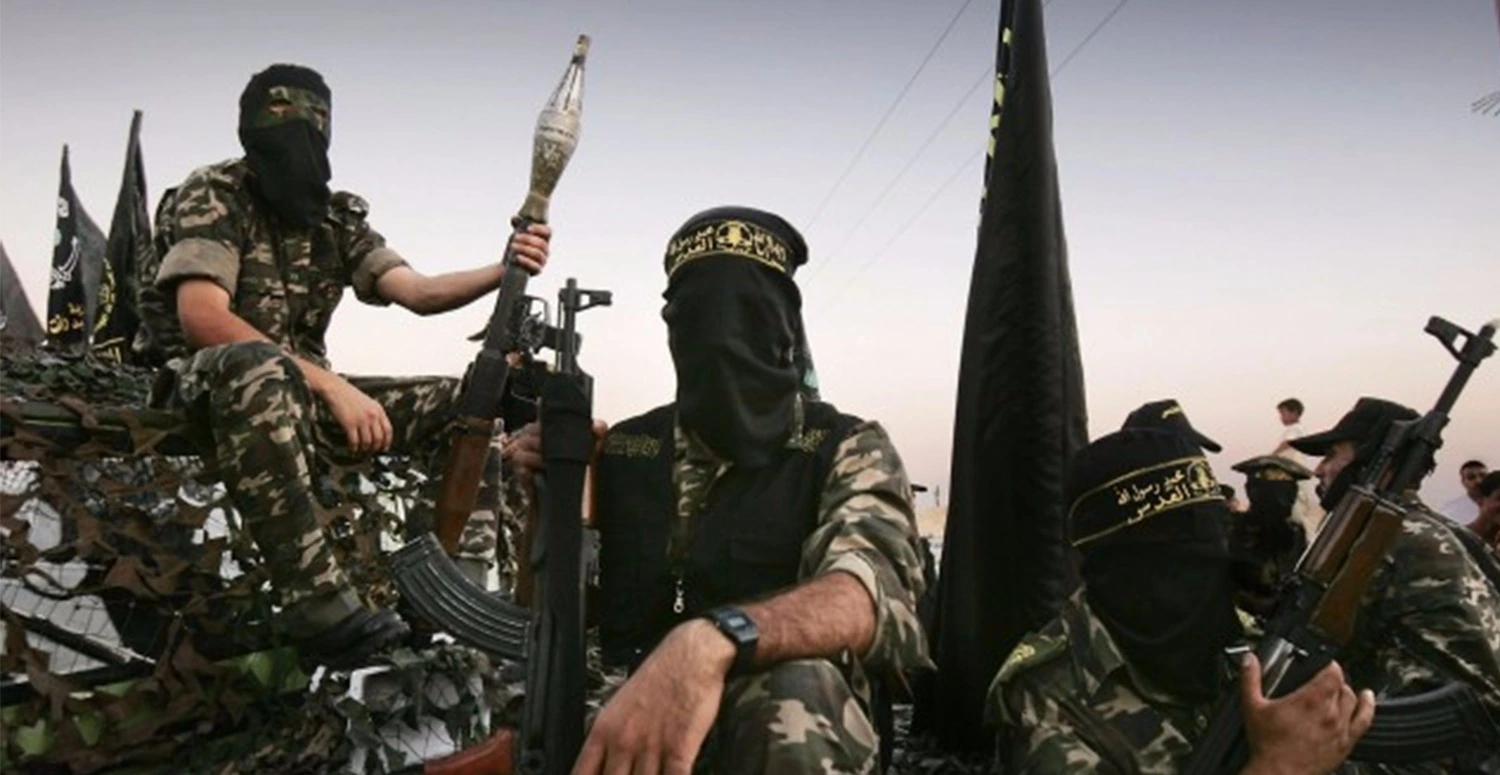
The Israeli military said it was targeting Hezbollah "weapon storage facilities" after the Iran-backed group struck Israeli soldiers in the south overnight. According to Israel, Hezbollah launched two explosive drones toward Israeli soldiers operating on the Ali al-Taher ridge, with no Israeli casualties reported from that attack. Lebanon's NNA also reported artillery shelling on the outskirts of the town of Rashaf in the Bint Jbeil district, and that Israeli airstrikes and drone attacks hit several areas across southern Lebanon, including Braiqaa and Seir al-Gharbiyeh NNA.
To understand why this is happening, some background is essential. Lebanon entered the current war on March 2, 2026, days after the United States and Israel launched their war on Iran. Hezbollah, a Lebanese armed group backed by Iran (a relationship often described as a "proxy" dynamic, where a larger power supports a smaller armed group to advance shared interests), struck Israel in support of Tehran. Since that entry into the war, Lebanese authorities say Israeli airstrikes and a ground invasion have killed more than 4,300 people in Lebanon Al Jazeera.
The toll has climbed steadily through the summer. On August 15, 2026, a wave of Israeli strikes on southern Lebanon killed 11 people, including several children, according to Lebanese authorities. A dawn airstrike that same day killed seven, per Lebanon's state news agency Reuters. On August 5, Israeli strikes killed at least one Lebanese person, while two Israeli soldiers were killed and four wounded by an explosion in a booby-trapped building during a security sweep in southern Lebanon Reuters. Lebanon's Health Ministry separately reported an Israeli strike on the southern town of Tibnin that killed one and wounded 12 Reuters. On June 2, Israeli airstrikes and artillery fire killed at least four people across two southern towns Reuters. In May, Hezbollah launched an explosive drone near the Israel-Lebanon border that injured multiple Israeli civilians, according to the Israeli military IDF.
The August 27 exchange follows a familiar pattern visible since March: Hezbollah launches a tactical strike against Israeli forces, Israel responds with aerial and artillery bombardment of what it identifies as Hezbollah infrastructure, and civilian casualties in southern Lebanese towns mount. Think of it as an escalation cycle, a repeating loop where each side's action triggers a heavier response from the other, and the people caught in between bear the cost. The IDF's stated targeting of "weapon storage facilities" in Nabatieh does not, on available evidence, clarify whether the residential structure in Arab Salim was connected to any such facility. The NNA's reporting that the woman's house was destroyed, combined with Khodr's confirmation that the strike hit a residential area, raises the same proportionality questions (whether the military advantage of a strike justifies the civilian harm it causes) that have shadowed Israel's southern Lebanon campaign throughout its ground and air operations.
The broader picture here matters. Lebanese security sources' count of at least 10 strikes across the wider Nabatieh area signals that Arab Salim was one node in a wider bombardment, not an isolated incident. The simultaneous shelling of Rashaf's outskirts in Bint Jbeil and strikes on Braiqaa and Seir al-Gharbiyeh indicate a multi-axis operation spanning at least two districts. This operational footprint is consistent with Israel's post-March approach of conducting wide-area suppression strikes (bombardments spread across multiple locations to degrade an opponent's capabilities broadly rather than hitting a single target) following Hezbollah kinetic activity, rather than the targeted, single-site raids characteristic of the pre-ground-invasion phase.