Arrest Made in Serious Knife Assault in North Belfast
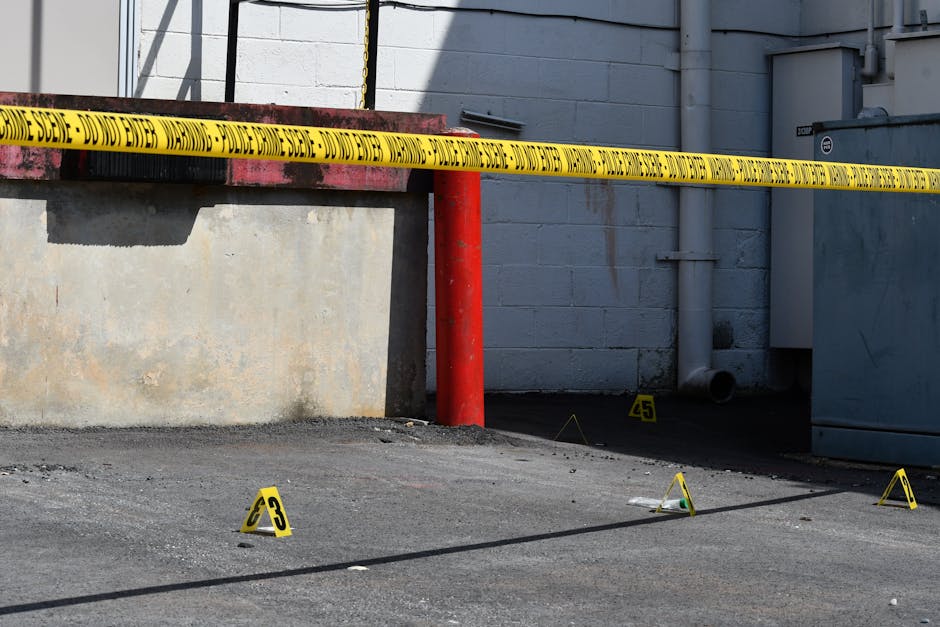
Arrest Made in Serious Knife Assault in North Belfast
A man in his 30s was arrested on June 9, 2026, on suspicion of attempted murder following a serious knife attack in north Belfast, according to the Police Service of Northern Ireland. A second man, the victim of the attack, was taken to hospital with serious injuries. The PSNI confirmed both the arrest and the hospitalisation.
What Happened
Police responded to reports of a stabbing in the north Belfast area. A man in his 30s was detained and arrested on suspicion of attempted murder—a legal charge that means police have reasonable grounds to believe the suspect intended to kill the victim, not just cause severe injury.
The victim, a second man, was hospitalised with serious injuries. Police have not publicly confirmed the victim's age, identity, or current condition. No additional arrests have been reported.
How the Justice System Handles This
An arrest for suspected attempted murder is one of the most serious steps police can take immediately after a violent crime. In Northern Ireland, this triggers strict legal rules about how long suspects can be held and what rights they have.
The arrested man can be held for up to 24 hours without being charged. A senior police officer can extend that to 36 hours, and a magistrate can extend it further to 96 hours in unusual cases. Throughout this time, the suspect has the right to a lawyer.
When police call an assault "serious," it also signals something procedurally: the injuries likely meet an official severity threshold that requires notification to senior officers and may bring in the Public Prosecution Service early in the investigation. It signals this is not a routine case.
North Belfast: Why Context Matters Here
North Belfast has a specific backdrop that shapes how the community and police interact. The area contains what locals call "interfaces"—physical boundaries and social divisions between communities with different political and cultural identities. These zones were flashpoints during the Troubles, the decades of conflict that ended with the Good Friday Agreement in 1998. Since then, policing in these areas has required careful, sustained investment in community trust.
This is important context, but it doesn't mean every serious assault in north Belfast has a sectarian motive. In fact, the vast majority of knife attacks and serious assaults across Northern Ireland are personal disputes with no political or paramilitary dimension. What it does mean is that the PSNI operates under heightened community attention in these historically sensitive areas.
When serious violence occurs in a place like north Belfast, early reporting creates an information gap. Before facts are confirmed, people fill that gap with speculation—about motive, about which community is involved, about deeper causes. The PSNI's strategy of releasing sparse, factual statements early—naming the charge, confirming hospital admission, withholding names and details—is deliberate. It aims to slow speculation without harming the eventual prosecution.
What We Don't Know Yet
The PSNI has not disclosed where exactly in north Belfast the assault happened, what relationship—if any—existed between the suspect and victim, or what may have triggered the attack. The victim's current condition has not been updated publicly.
Whether the arrested man was charged, released on bail, or released without charge is unknown. The investigation is still in its earliest phase.
What Happens Next
If police hold the suspect beyond 24 hours, a senior officer will review the case, and the police may ask a magistrate for more custody time. If they decide to charge him, the Public Prosecution Service will examine whether the evidence is strong enough and whether the charge is in the public interest.
Investigators will likely examine the crime scene, search for the weapon, review CCTV footage and phone records, and interview witnesses. North Belfast has substantial street-level CCTV coverage—expanded significantly after the Good Friday Agreement—which has been valuable in solving past serious assault cases in the area.
Police will also have deployed community liaison officers to the area, a standard step after violent incidents in sensitive neighborhoods. This helps manage local worry and rebuild trust.
For now, the facts are narrow: one arrest, one hospitalisation, one serious charge threshold. What comes next depends on what the investigation reveals.


