Houthis Strike Saudi Military Ship in Red Sea as Naval Blockade Escalates

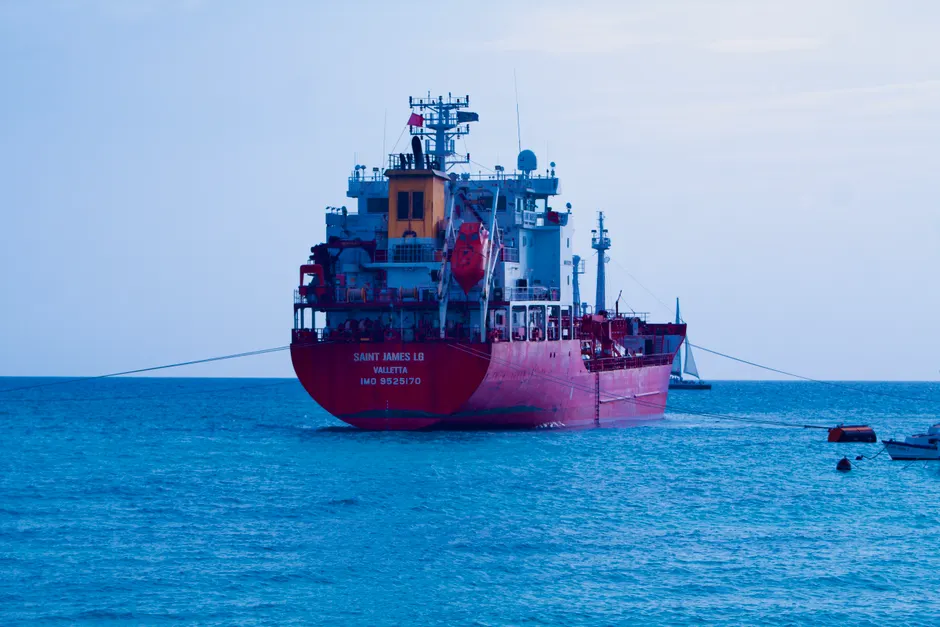
Houthi forces attacked a Saudi military ship and four escort vessels with ballistic missiles in the Red Sea off Yemen's Mocha on August 17, 2026, according to Houthi military spokesman Yahya Saree. Saree described the strikes as "direct and precise" and said the attack was carried out with several ballistic missiles (Times of India; Reuters).
Ballistic missiles are rockets that travel in a high arc toward their target, making them difficult to intercept. The Houthis are an armed group that controls much of northern Yemen, including the capital, Sanaa. They have been fighting a Saudi-led coalition since 2015.
The assault follows a declared Houthi naval blockade against Saudi Arabia in the Red Sea, announced on July 20. The Houthis said they would stop vessels connected to Saudi Arabia or going in and out of its Red Sea ports (AP News).
On August 5, Saree claimed the group launched a ballistic missile attack on the Wafa, a Saudi oil tanker (FDD). The Houthis attacked two Saudi Arabian oil tankers in a military operation in the Red Sea on July 22, pushing international oil prices above $100 a barrel (Reuters; AP News).
Saudi Arabia struck Hodeida in response to those tanker attacks (AP News). Ship traffic through the Bab el-Mandeb strait fell after the Houthis attacked Saudi oil installations along the Red Sea coast, per shipping data reported on July 27 (Reuters).
The Bab el-Mandeb strait is the narrow waterway between Yemen and Djibouti that connects the Red Sea to the Gulf of Aden and onward to the Indian Ocean. It is one of the world's busiest shipping lanes for oil and commercial goods.
On August 11, the Houthis claimed an attack on a Saudi ship at Bab el-Mandeb that killed four people (Reuters). The group said the ship was carrying Saudi military equipment. A small cargo ship was also attacked by Houthis in the Bab el-Mandeb strait that day, killing three crew members (Reuters). The BBC reported the attack killed six people, describing it as the group's first deadly attack since the start of the US-Iran war (BBC News).
Following a strike on Sanaa airport, the Houthis attacked Abha airport in southwestern Saudi Arabia and announced a blockade on Saudi Arabia (AP News). The Houthis also attacked the government-held port city of Mokha on the Red Sea as part of their vessel strikes (AP News).
The broader context here is a widening maritime threat in the Red Sea that extends beyond Saudi targets. The Yemeni Armed Forces, the Houthi military apparatus, have declared their determination to target any Israeli ship in the Red Sea or anywhere they could reach, and have announced the seizure of an Israeli ship through a naval operation. The group has also conducted operations against British and American warships dispatched to the Red Sea to confront Yemeni strikes, and Saree claimed the group targeted three U.S. destroyers in the Red Sea with missiles. Houthi leader Sayyed Abdulmalik warned in June that any new U.S. aircraft carrier entering the Red Sea would become a target for the Yemeni Armed Forces.
The Yemeni Armed Forces have also revealed strategic weapons systems that can be launched from any point in Yemeni territory toward the Arabian Sea and the Red Sea, capable of striking both stationary and moving targets. These capabilities, combined with the group's stated intent to interdict Saudi-bound maritime traffic, place sustained pressure on one of the world's critical commercial chokepoints. The Bab el-Mandeb strait handles a substantial share of global trade, and any sustained disruption carries cascading effects for energy markets and commercial shipping routes.
The escalation cycle has produced a recognizable pattern of action and retaliation. Saudi strikes on Hodeida followed Houthi attacks on oil tankers. Houthi strikes on Abha airport followed a strike on Sanaa airport. The August 17 attack on a Saudi military ship and four escort vessels off Mocha fits within this escalating exchange. The targeting of a military vessel with escort boats suggests an effort to signal capability against protected naval assets, not just commercial shipping. Whether Saudi Arabia or its partners adjust their naval posture in response will shape the next phase of this corridor's security environment.