Uber and Zipline Partner on Drone Delivery for Uber Eats, Targeting One Million Daily Deliveries by 2029
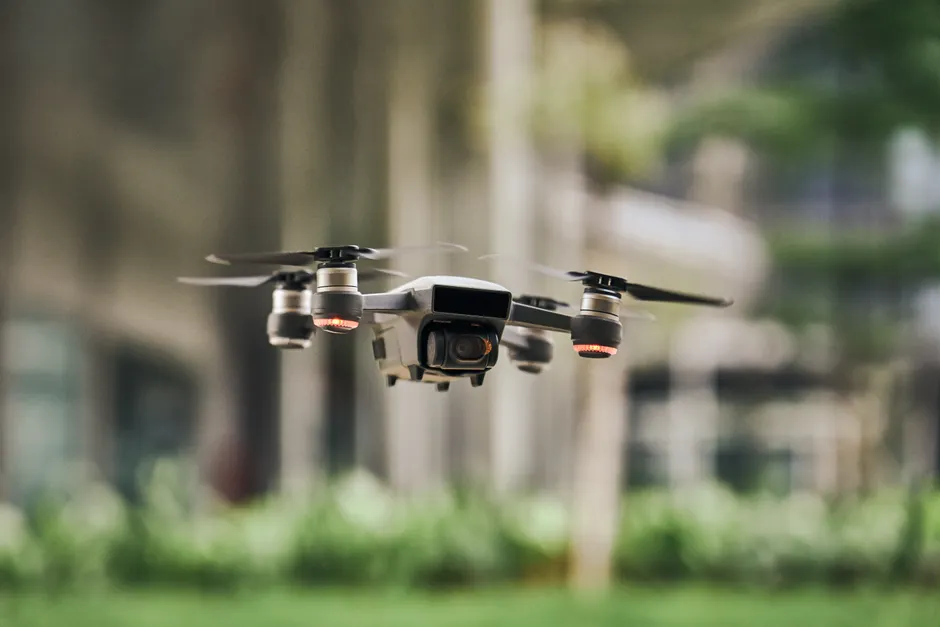
Uber and Zipline announced a partnership on August 17, 2026, to bring Zipline's autonomous drone delivery platform to Uber Eats orders, with a stated target of reaching one million drone deliveries per day by the end of 2029 (Engadget, Uber Investor Relations).
First deliveries are scheduled to begin later this year, launching in Zipline's existing US markets, including Pea Ridge, Arkansas, and the Dallas-Fort Worth metro area, before expanding to dozens of additional cities. As part of the partnership, Uber made a strategic investment in Zipline; financial terms were not disclosed.
Zipline has completed more than 2.7 million autonomous deliveries to date, spanning healthcare products and food. Prior to the Uber partnership, Zipline had established delivery collaborations with Walmart and Chipotle. The company has been accelerating its US footprint: in July 2026, Zipline announced a 13X marketplace expansion, new leadership hires from Tesla, Waymo, and Uber, and launches in Austin and Cleveland (Zipline).
For Uber, the Zipline partnership is the latest in a series of autonomous delivery and mobility bets. The company previously partnered with Flytrex for Uber Eats drone delivery in 2025. On the ride-hailing side, Uber has partnered with Lucid and Momenta to offer robotaxis for autonomous ride-hailing services. The common thread is Uber positioning itself as an orchestration layer — a software and logistics platform that coordinates services built on other companies' hardware — rather than building the hardware itself.
The competitive landscape adds context. DoorDash and Wing began their drone delivery partnership in 2022 and have since expanded to the metro Atlanta area. With Uber now pairing with Zipline, the two largest US food delivery platforms have each committed to drone delivery through distinct technology partners. Zipline's platform uses fixed-wing autonomous aircraft with a dock-and-cradle recovery system, in which the drone is caught and docked by a mechanical structure on landing. That differs from Wing's multicopter approach, where the aircraft hovers and lowers packages on a tether. The two partnerships will effectively test competing operational models at scale.
The one-million-daily-deliveries target deserves scrutiny. Zipline's 2.7 million cumulative deliveries, while substantial, have been built over years of operation across multiple countries and use cases. Scaling to a million per day in the US alone, within roughly three years, would require dramatic increases in aircraft fleet size, charging and loading infrastructure, regulatory clearances for beyond-visual-line-of-sight (BVLOS) operations — flights where the drone travels beyond what its remote operator can directly see — and last-yard delivery precision across dense urban environments. The FAA's evolving Part 135 certification framework, which governs commercial drone operators, and its airspace integration rules for unmanned aircraft remain a gating factor for any operator pursuing that volume.
The strategic investment component is worth noting. Uber's undisclosed capital commitment to Zipline goes beyond a typical marketplace integration agreement and signals a deeper alignment of incentives between the two companies. Zipline's recent hires from Tesla, Waymo, and Uber itself suggest the company is building out the operational and engineering leadership needed for a step-change in scale. Whether that trajectory aligns with the 2029 timeline Uber has attached to the partnership is a separate question from whether the partnership itself is viable.
What the Uber-Zipline deal concretely changes in the near term is more modest than the headline target implies. Later in 2026, customers in Pea Ridge and Dallas-Fort Worth will be able to receive Uber Eats orders via Zipline drones. The expansion to additional cities will follow on a timeline neither company has detailed publicly. The underlying economics, per-delivery cost, and unit economics at scale remain undisclosed.
The broader context here is that autonomous last-mile delivery — the final leg of getting a product to a customer's door — is moving from pilot programs to platform-level commitments. Both major US food delivery marketplaces now have drone partnerships with serious hardware operators and stated ambitions for high-volume delivery. The technology has been proven in commercial operation. The open questions are about throughput, regulatory approval timelines, unit economics, and consumer adoption at a scale that matters to the financial results of either company. Those answers will arrive incrementally, market by market, over the next several years.


