Uber Bets on Zipline Drones to Cut Eats Delivery Times to Minutes

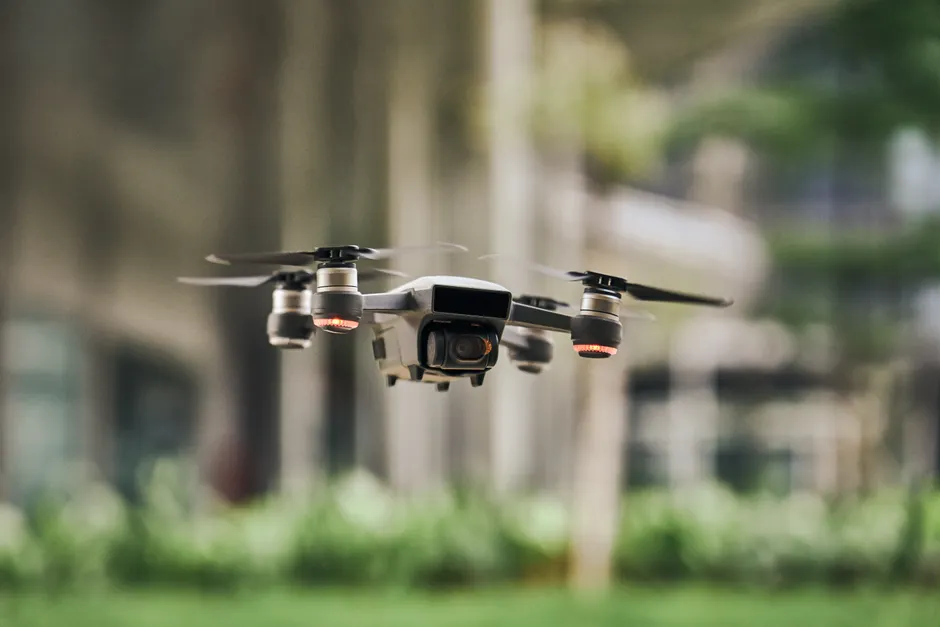
Uber and San Francisco-based drone delivery company Zipline announced a partnership on August 17, 2026, to integrate Zipline's autonomous drones into the Uber Eats platform. The companies also disclosed that Uber is making an equity investment in Zipline, though the amount was not revealed (TechCrunch).
Zipline drones are expected to make their first Uber Eats deliveries by the end of 2026, starting in markets where Zipline already operates before expanding to dozens of U.S. cities. The companies have set a target of one million deliveries per day using Zipline's drones by the end of 2029 (TechCrunch).
Uber believes Zipline's drones can fulfill Uber Eats orders within five to ten minutes of dispatch, according to TechCrunch. That delivery window would be a substantial compression of the current Uber Eats model, which relies on human couriers navigating surface-street traffic.
Uber CEO Dara Khosrowshahi framed quick commerce — the segment of delivery built around getting goods to customers in minutes rather than the traditional half-hour-plus window — as a potentially enormous tailwind for the next phase of Uber Eats growth (TechCrunch). Zipline co-founder Keller Cliffton described the partnership as taking "the next step toward building a world where getting what you need is as fast as sending a text" (TechCrunch).
The structure of the deal pairs Uber's consumer-facing logistics network and restaurant-partner relationships with Zipline's hardware and autonomous-flight platform. Zipline operates its own drones and has built out delivery infrastructure in select markets; Uber brings the demand side through its existing Uber Eats order volume. The equity investment signals that Uber's commitment extends beyond a pure platform integration, giving it a financial stake in Zipline's hardware and operational scaling.
The five-to-ten-minute delivery window Uber cites is technically plausible for drone fulfillment. Zipline's drones fly point-to-point at speeds that bypass ground traffic entirely. The bottleneck shifts from last-mile transit — the final leg of a delivery's journey, typically the slowest and most expensive part — to order preparation, loading, and the regulatory airspace clearances required to operate autonomous flights over populated areas at scale.
The one-million-deliveries-per-day target by end of 2029 is ambitious. It implies not only a massive fleet expansion but also regulatory approval across dozens of municipalities, integration with restaurant kitchen workflows, and consumer adoption of a delivery method that, for many, will involve retrieving an order from a drone rather than receiving it at the door. Zipline's existing operations provide a proof point for the underlying technology, but scaling from current volumes to a million daily deliveries across dozens of U.S. cities in roughly three years would require sustained execution on all of those fronts simultaneously.
In the broader competitive landscape, Uber is not the only company pursuing autonomous delivery. Alphabet's Wing has operated drone delivery in select markets, and several startups have tested similar models. What distinguishes this arrangement is the combination of Uber's order volume and restaurant network with Zipline's operational drone platform. If the five-to-ten-minute delivery window holds at scale, it would position Uber Eats to compete more directly with quick-commerce players that have built their models around speed of fulfillment.
The undisclosed investment amount leaves the financial dimensions of the partnership opaque. What is clear is that Uber is betting on drone delivery as a differentiator for its Eats business, and Zipline gains access to a demand pipeline that could justify the fleet expansion needed to hit its delivery targets.
The broader context here is one we have seen before in technology cycles — a hardware capability meets a demand platform, and the partnership is framed around what the two can achieve together that neither could alone. Whether this one delivers on its timeline will depend less on the drones themselves and more on the unglamorous work of regulatory negotiation, kitchen integration, and convincing consumers that retrieving a meal from a hovering aircraft is a routine errand rather than a novelty.