Colombia Gold Mine Landsslide: Why Unlicensed Mining Keeps Costing Lives

At least 13 workers were killed and seven injured when a landslide struck an unlicensed open-air gold mine near Policarpa, in Colombia's southern Nariño province, on a Wednesday afternoon. Emergency workers and local residents recovered the bodies using mechanical diggers. International news outlets reported the incident on August 20, 2026 (BBC; Chicago Tribune; Euronews).
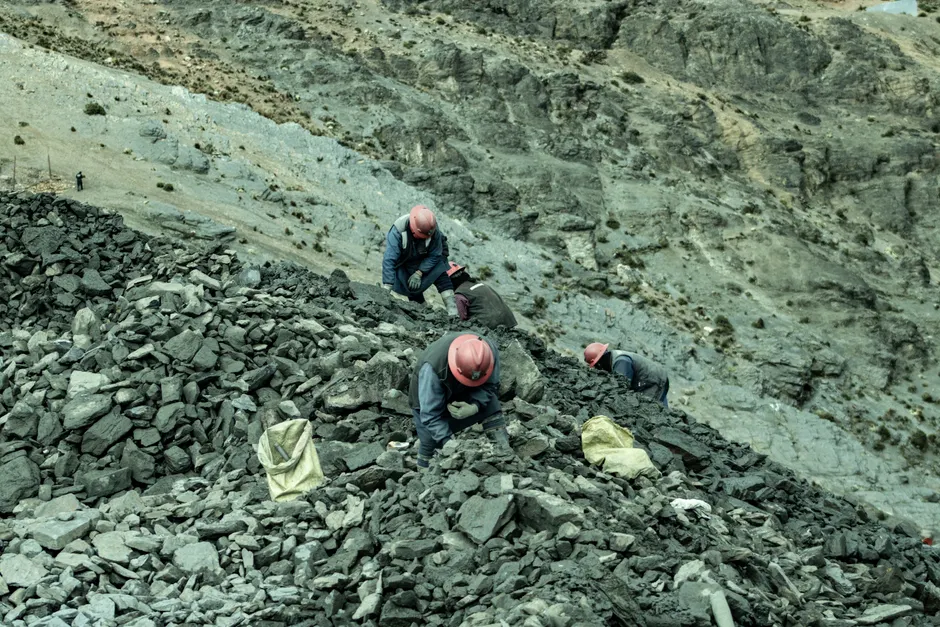
Witnesses described hearing an explosion at the mine moments before workers below were trapped. Four of the 13 people killed were members of the same indigenous family. Around 50 people, most of them from the Quillacinga indigenous group, regularly worked at the site, according to area residents.
The broader context here matters for understanding why this event carries weight beyond the immediate casualty figures. An estimated 200,000 to 400,000 people engage in artisanal mining across Colombia — a small-scale, often informal practice where individuals or small groups extract minerals using basic tools rather than heavy industrial equipment. This sector operates extensively outside formal regulatory frameworks. The mine near Policarpa was unlicensed, meaning it sat beyond any government oversight of safety protocols, structural integrity, or operational standards.
Nariño province, which borders Ecuador and the Pacific coast, has seen sustained artisanal gold activity driven by global commodity prices and limited alternative livelihoods in rural areas. The concentration of Quillacinga workers at this site reflects a wider pattern: indigenous communities frequently participate in informal mining economies under precarious conditions. That four members of a single indigenous family died shows how entire community networks are woven into these labor structures.
For policymakers and regulators in Bogotá, the challenge is structural. Colombia's artisanal mining workforce, numbering in the hundreds of thousands, operates in a parallel economy where unlicensed sites like the one near Policarpa function without the inspections or safeguards that formal mining concessions require. Think of it as a shadow version of an industry: the work happens, the gold enters the market, but the state has no eyes on the ground. Each collapse exposes the gap between the legal framework and the extraction economy as it actually operates.
The question now is whether national authorities will pursue enforcement actions against unlicensed operations, or whether the political and economic realities of rural Colombia will sustain the status quo. That tension is not unique to this site. The Nariño landslide fits a recurring pattern across Andean mining zones, where unlicensed extraction, improvised excavation techniques, and the presence of indigenous labor create conditions in which a single incident can devastate entire community networks. The recovery operation itself, conducted with mechanical diggers by locals alongside emergency services, speaks to both the practical constraints and the community entanglement in these operations.
The verified details, thin as they are, point to an industry-wide vulnerability. Artisanal miners across Colombia face comparable risks daily, and without regulatory enforcement at unlicensed sites, the probability of similar mass-casualty events stays high.