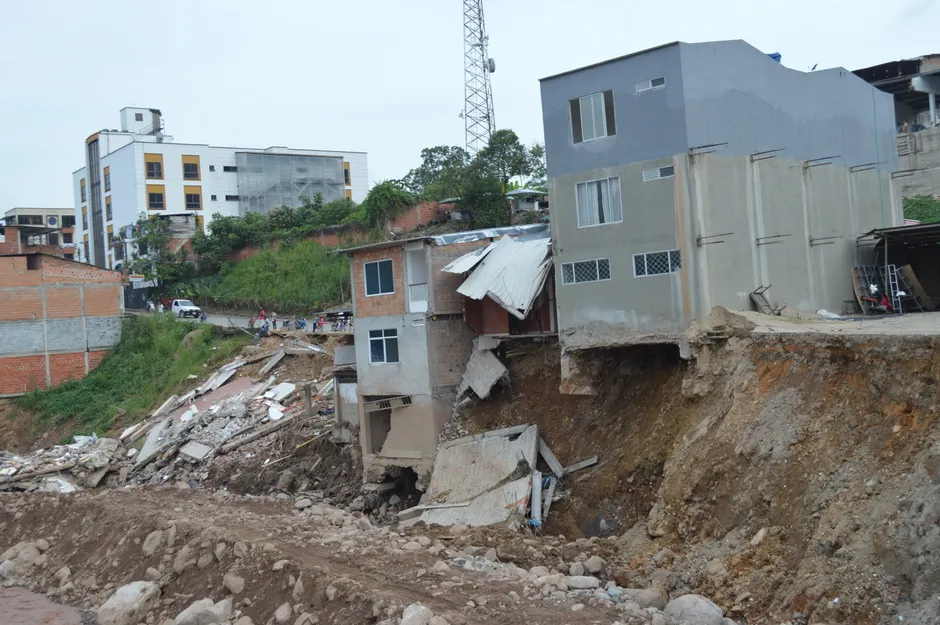
Over 100 Killed in Illegal Gold Mine Collapse in the Central African Republic
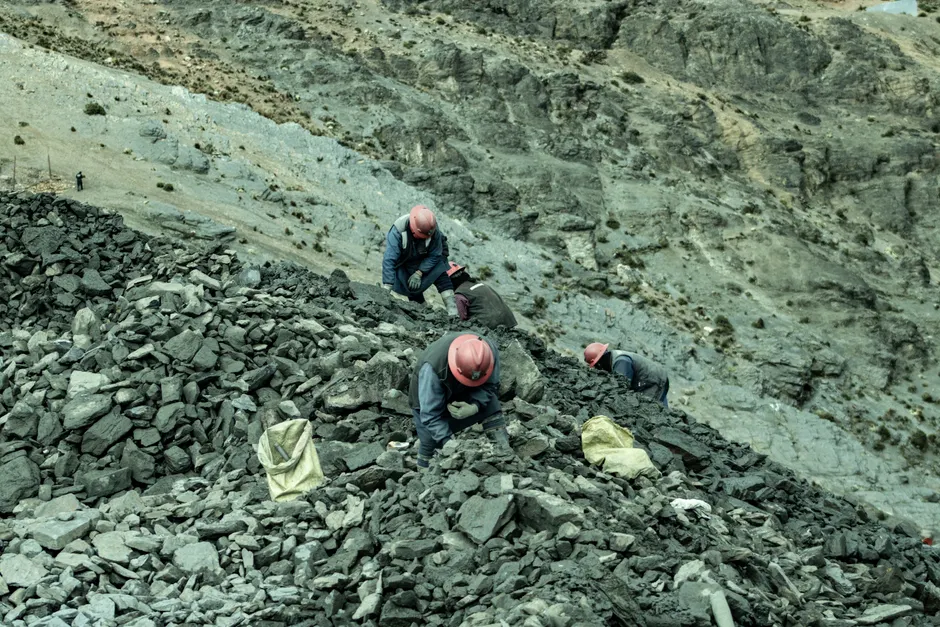
More than 100 people died on August 19, 2026, when a landslide struck an illegal gold mining site in the Central African Republic, according to a mining group reporting from the site (Reuters). The collapse hit what is known as an artisanal operation, meaning it relied on manual labor and basic tools rather than the heavy machinery used at large-scale, industrial mines (ABC News). The site was operating illegally, without a government license or safety oversight (Times of India).
The death toll, confirmed by multiple outlets on August 19, makes this one of the deadliest single mining disasters on the African continent in recent years (Washington Post; ABC News). Landslide-triggered collapses at artisanal mining sites are not uncommon in Central and West Africa, but the casualty count here is far higher than the typical toll.
Artisanal and small-scale gold mining depends on hand-dug pits and rudimentary equipment rather than mechanized extraction. These pits are often deep, unshored (meaning the walls are not reinforced with structural supports), and dug without any geological assessment of the surrounding terrain. During rainy seasons, water saturates the soil and weakens pit walls, sharply increasing the likelihood of landslides. Because these operations are informal, they sit outside the licensing systems and safety inspections that govern legal mines.
The Central African Republic holds significant artisanal gold deposits, and the sector has long operated in a regulatory gray zone. Armed groups are present in some resource-rich regions, the government's capacity to inspect mining sites is limited, and gold offers a livelihood for populations with few economic alternatives. Together, these conditions allow illegal sites to multiply and safety protocols to remain absent.
The broader context here is one of structural risk. Artisanal mining fatalities across sub-Saharan Africa are notoriously undercounted because many sites are remote, unregistered, and beyond the reach of emergency services. When a collapse happens at an illegal site, rescue efforts are often delayed or simply do not exist, and the full death toll may not surface for days. The fact that more than 100 deaths were reported on the same day as the collapse suggests either a particularly catastrophic failure or a site where an unusually large workforce was concentrated in a single pit system.
For mining sector analysts and governance specialists, the disaster fits a familiar pattern: illegality does not mean invisibility. Gold from artisanal sites in the Central African Republic enters regional supply chains, often through intermediaries in neighboring countries, and eventually reaches global markets. The gap between how the gold is extracted and where it ends up is where regulatory and reputational risk concentrates. Buyers, refiners, and downstream manufacturers face exposure when upstream disasters draw public scrutiny to supply chains that lack traceability.
The involvement of a "mining group" in reporting the death toll, as cited by Reuters, raises questions about which entity was present at or near the site and what its operational role may have been. The Central African Republic's mining sector includes a mix of licensed concessions, cooperatives, and illicit operations that sometimes overlap geographically. Without further detail from authorities, the relationship between the reporting entity and the illegal site remains unclear.
What may come next depends on the Central African Republic government's response. Past mining disasters in the region have produced cycles of condemnation, temporary shutdowns of artisanal sites, and eventual resumption with little structural change. If this incident follows that trajectory, the fatalities will register as another data point in a pattern that governance reforms have not yet disrupted. If it prompts a more sustained intervention, it would mark a departure from precedent.
The verified facts available at this stage are limited. The cause is confirmed as a landslide. The death toll exceeds 100. The operation was artisanal and illegal. What remains unknown includes the exact location of the site within the country, the identity and role of the reporting mining group, whether rescue operations are ongoing, and whether government authorities have launched an investigation. As additional reporting surfaces, these gaps may close. For now, the event stands as a lethal consequence of unregulated extraction in a country where the gap between mineral wealth and institutional capacity has long defined the sector.