Short-Form Video Deactivates Brain Regions Behind Cognitive Control, Studies Find
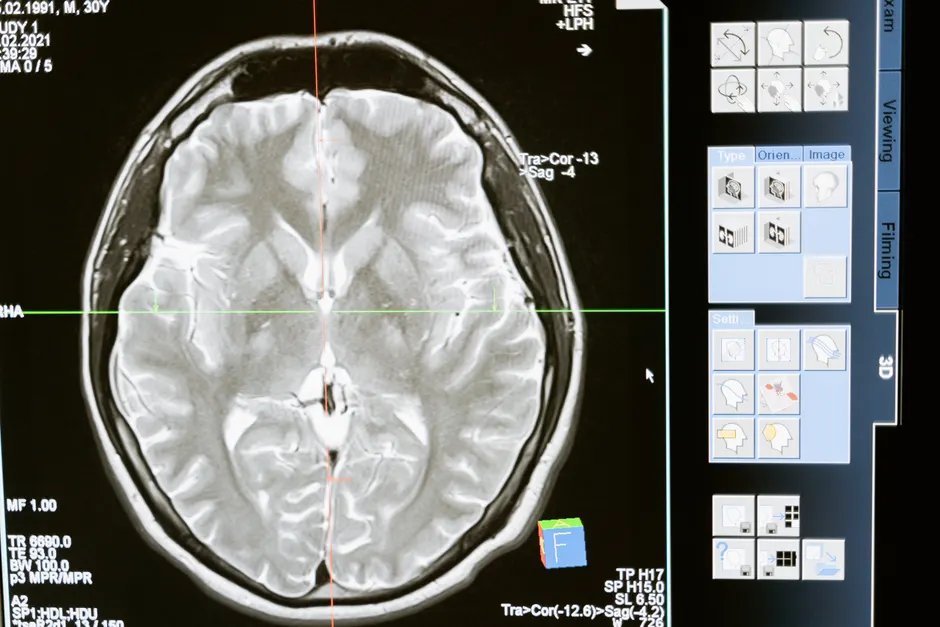
A neurological study found that watching preferred short-form videos significantly reduced activity in two brain regions tied to cognitive control: the dorsolateral prefrontal cortex (DLPFC) and the anterior cingulate cortex (ACC). The findings, reported by Yahoo News on August 19, 2026, align with neuroimaging results from a preprint study posted on medRxiv under DOI 10.1101/2025.08.27.25334540, which showed reduced activation in the same regions when participants viewed personalized TikTok videos (medRxiv preprint).
The DLPFC and ACC are central to executive functioning, the set of mental processes that includes sustaining attention, resisting impulses, and monitoring for conflicting information. Reduced activation in both regions during preferred short-form video viewing suggests the format may suppress the brain's own machinery for self-regulated attention. The medRxiv preprint further found that high-frequency short-form video use was consistently associated with attentional disruption, reduced executive functioning, and emotional dysregulation (medRxiv preprint).
A 2026 study published in npj Science of Learning added a memory dimension, finding that learning through short videos impairs memory by disrupting brain systems involved in information integration (npj Science of Learning). The mechanism is distinct from simple distraction: the rapid-format delivery appears to interfere with how the brain consolidates and integrates new information, not merely how it pays attention to it.
A separate 2026 study published in iScience investigated the behavioral and neural mechanisms underlying contextual processing during naturalistic short video viewing (iScience), examining how the brain tracks narrative and situational context across the fragmented, high-transition format characteristic of short-video platforms.
A 2025 study published in npj Science of Learning stated that the proliferation of short-video platforms prompts critical investigation of their effects on human cognitive functions (npj Science of Learning), framing the research agenda as urgent given the scale of global adoption.
The scope of concern extends beyond cognition. A 2025 study published in Scientific Reports explored the relationship between childhood trauma and short-video addiction (SVA) symptoms (Scientific Reports), suggesting that vulnerability factors may compound the behavioral risks associated with the format. And a 2025 study in Scientific Reports found that even one week of exposure to polarized content can result in distinct patterns of behavior and brain activity (Scientific Reports), indicating that neural adaptation to algorithmically served content can occur on a timescale of days, not months.
Taken together, the studies converge on a consistent finding: the short-form video format engages reward and attention circuits while simultaneously deactivating the prefrontal regions responsible for cognitive oversight. The medRxiv preprint's neuroimaging data provide the most direct evidence, showing DLPFC and ACC deactivation specifically during personalized content viewing, which is the core mechanic of platforms like TikTok and Instagram Reels. The algorithmic personalization loop, in which content is optimized for individual preference signals, appears to amplify the suppressive effect on these control regions.
The consistency across study designs is worth flagging. The findings span fMRI neuroimaging, behavioral measures, and addiction-framework research, published across multiple journals (npj Science of Learning, Scientific Reports, iScience) and preprint servers (medRxiv). That convergence reduces the likelihood that any single methodological artifact accounts for the results. At the same time, the medRxiv study remains a preprint and has not yet undergone peer review; its neuroimaging findings should be read with that caveat, though they are corroborated by the independently reported deactivation of the same brain regions in the study covered by Yahoo News.
For technology professionals, the implications cut in two directions. On the product side, these findings describe a design paradigm that is, by its neural effects, working against sustained attention and integrative learning. Engagement metrics optimized for watch-time and scroll velocity may be optimizing directly against the prefrontal functions that users rely on for goal-directed behavior. On the personal side, the studies suggest that the cognitive cost of frequent short-form video consumption is not merely a matter of time displacement but involves measurable changes in how the brain processes information, regulates attention, and manages emotional responses. The one-week exposure finding from Scientific Reports is particularly notable: neural adaptation to algorithmically curated content can manifest rapidly, which means intermittent or casual use may still produce detectable effects.
The broader context here is that consumer technology has cycled through concerns about attention and cognition before, from television to social media feeds to infinite-scroll interfaces. What distinguishes the current body of research is the specificity of the neural mechanisms identified. These are not correlational claims about screen time and wellbeing; they are directed findings about how a particular content format deactivates specific brain regions involved in cognitive control, disrupts memory integration systems, and produces measurable behavioral changes within short exposure windows. The research does not conclude that short-form video is inherently harmful, but it does establish a neurobiological basis for concerns that have, until now, been largely behavioral or anecdotal.