Nevada Greenlights Robotaxis for Tesla, Uber, and Waymo in Clark County

Nevada transportation regulators approved permits on August 20, 2026, allowing Tesla, Uber, and Waymo to run commercial robotaxi services in Clark County, which includes Las Vegas. The three permits together authorize up to 8,000 autonomous vehicles across the county over the next 12 months.
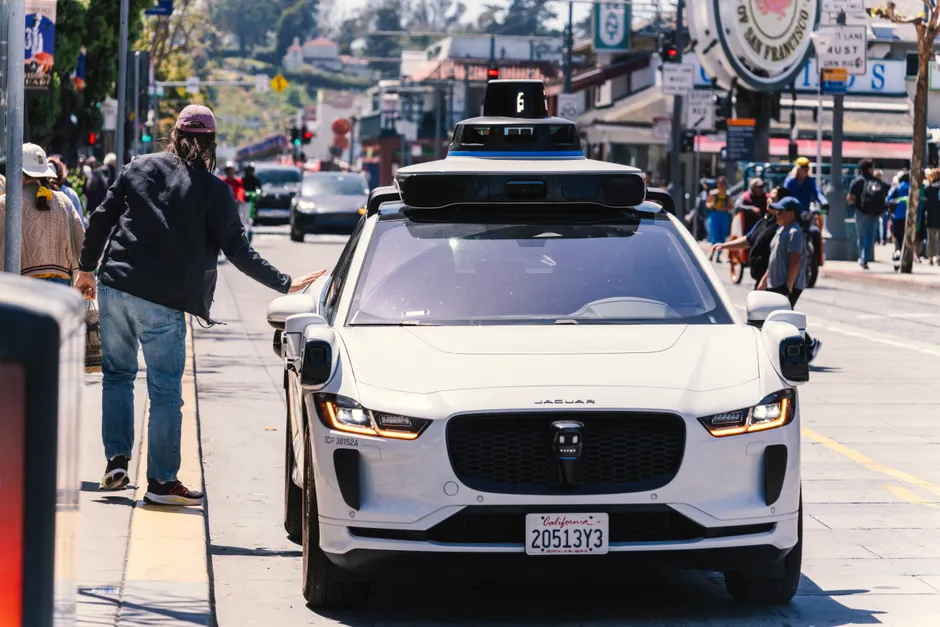
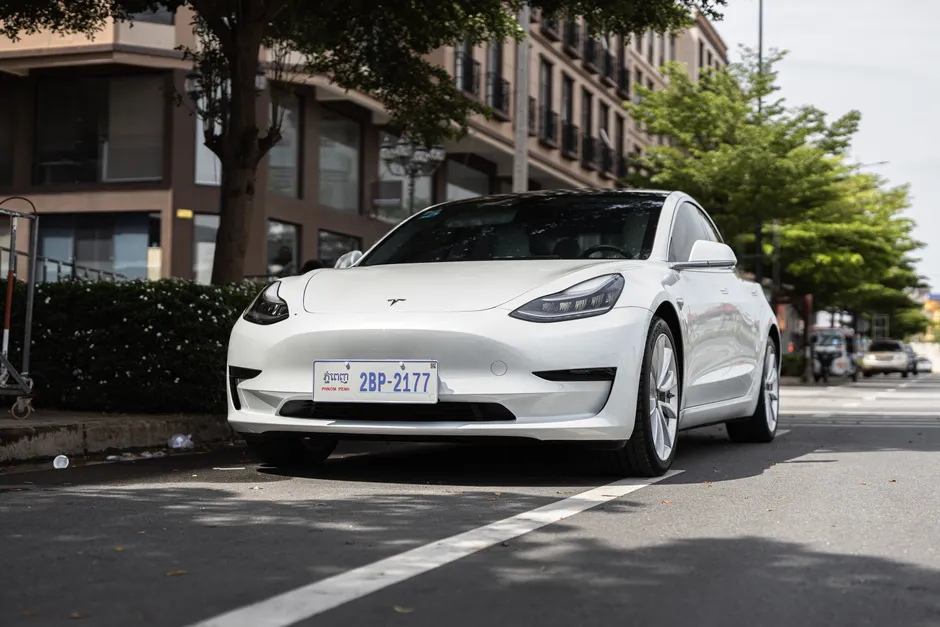
Tesla received the largest allocation — a ceiling of 5,000 robotaxis. Waymo was cleared for up to 1,000 autonomous vehicles. Uber's permit allows up to 1,000 robotaxis, operated through partnerships with Hyundai subsidiary Motional and Zoox, which already holds a separate Nevada permit for 100 of its own vehicles.
The scale of these approvals is a notable jump from Nevada's most recent Tesla-specific action. On July 27, 2026, the Nevada Transportation Authority (NTA) granted Tesla a Las Vegas robotaxi permit capped at just 10 fully autonomous vehicles, limited speeds to 45 mph, and barred operations at the airport. That earlier cap came after Tesla had asked Nevada regulators to approve 5,000 vehicles; regulators responded with the 10-vehicle limit and operational restrictions. The new permit restores the 5,000-vehicle ceiling Tesla originally sought.
Tesla Cybercab chief engineer Eric Early, speaking during the NTA meeting, said that 5,000 has always been a ceiling for Tesla and that he did not expect Tesla to deploy that many vehicles within the next year. Early estimated Tesla would be satisfied deploying around 2,500 vehicles, or a bit higher.
The NTA, not the Nevada DMV, is the state agency responsible for granting Autonomous Vehicle Network Company permits — the specific authorization needed to deploy robotaxis commercially. The Nevada DMV does not issue different licenses or permits based on a vehicle's level of automation.
Uber's entry into the Clark County robotaxi market comes with a particular regulatory stance. The company has pushed for a hybrid approach in which ride-hailing networks combine human drivers and autonomous vehicles, and lobbied for a system requiring robotaxis to operate on a ride-hailing network that also uses human drivers.
Waymo's Nevada approval follows a previously reported expansion plan. Reuters reported in November 2025 that Waymo intended to expand its robotaxi service to Las Vegas, San Diego, and Detroit in 2026, working with local officials and first responders in Las Vegas to secure deployment permits.
The Livery Operators Association and local taxi companies opposed the permits, arguing the approvals move too far and too fast. The NTA's unanimous vote overrode those objections.
The three permits collectively authorize up to 8,000 vehicles, but the realistic near-term deployment picture is smaller. Tesla's own engineering lead expects roughly half of its 5,000-vehicle ceiling. Waymo's 1,000-vehicle allotment fits the gradual, city-by-city scaling pattern the company has followed elsewhere. Uber's 1,000-vehicle allocation, split across two partners, is similarly modest in the first year. The permits set an upper bound, not a deployment floor.
The broader context here is the regulatory trajectory within Nevada itself. The jump from a 10-vehicle, speed-limited, airport-excluded pilot to a 5,000-vehicle commercial authorization, in less than a month, is a compressed timeline by any standard for autonomous vehicle regulators. The NTA's willingness to grant permits at this scale to three operators simultaneously, over the explicit objections of incumbent taxi and livery operators, signals a regulatory posture that has shifted from cautious piloting toward commercial scaling. Whether that pace is sustainable, or whether operational incidents trigger a pullback, is the open question for the next 12 months.
The structural detail in Uber's position also deserves attention. Uber's lobbying for a hybrid model requiring robotaxis to operate alongside human drivers on the same network, if adopted as regulation, would entrench ride-hailing platforms as the distribution layer for autonomous mobility — rather than allowing robotaxi operators to sell rides directly to consumers. That would advantage Uber's platform model and constrain vertically integrated operators like Tesla and Waymo, who would be compelled to route rides through a network they do not control. The NTA's current permits do not appear to impose this hybrid requirement, but Uber's advocacy establishes a regulatory frame the agency may revisit.
For Clark County, which encompasses Las Vegas, the approval means three major autonomous vehicle operators can now begin commercial deployment in one of the most visited tourism markets in the United States, with a combined authorized fleet size that, if fully exercised, would represent the largest commercial robotaxi deployment in a single U.S. jurisdiction to date. The actual fleet on Clark County roads over the next year will almost certainly be smaller than the permits allow. But the regulatory ceiling has been set.