Uber Lets Seniors Ride Solo: Independent Accounts and Easier Boarding in Pilot

Uber announced new options for older riders and riders with limited mobility on Sept. 15, 2026. The update adds solo setup for senior accounts, a new settings page, and a pilot for easier-to-board vehicles. Engadget
Senior accounts previously had to be linked to a standard Uber account. A family member set up and helped manage the account. Uber has now added a solo option with no organizer required.
Senior accounts now have a dedicated settings page. Riders can set how a driver signals arrival at pickup. The page includes Simple mode, a streamlined interface, and an option to tell drivers in advance about use of a cane or walker.
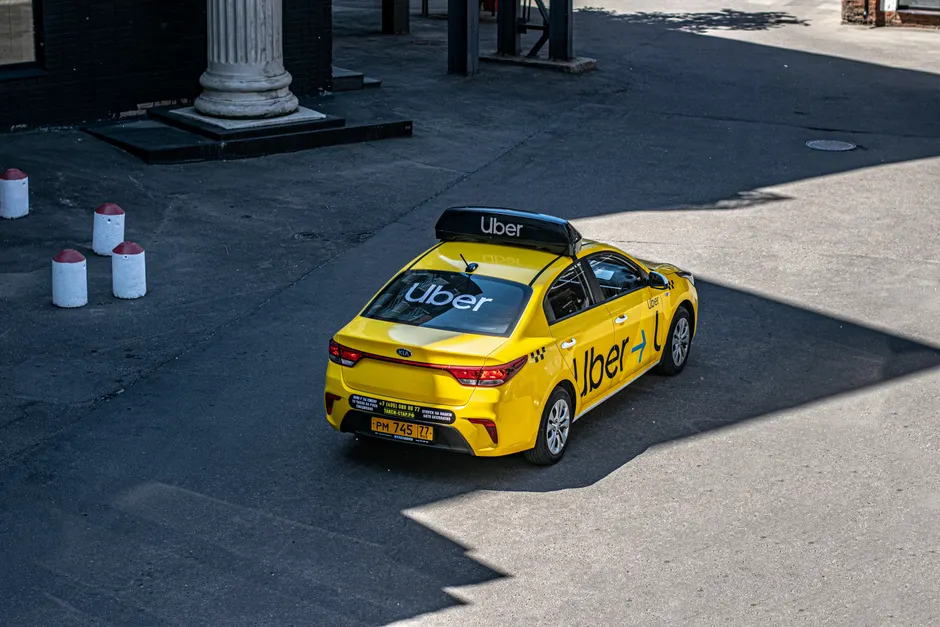
Uber is testing an Easy Entry Vehicle tag for cars that do not require a high step to board. Any rider can request one from the Accessibility settings page. The pilot will run in nine markets. Uber did not name the locations.
The changes build on the senior account model Uber introduced in 2025. The company described Senior accounts for Uber Rides as a simpler way for older adults to request their own rides, with flexible payment and live safety features. Family organizers can request rides, manage payment methods, and receive real-time trip updates. Uber investor release
In practice, that meant fewer buttons and ride options and clear prompts on each screen. Uber described Simple mode as fewer screens and larger text for older adults who prefer to ride independently. Uber Canada The model was later extended to Canada. Uber says 42% of adults age 65 and older are driving less or not at all, and says eligible riders can use Medicare Advantage flex benefits to help with costs.
The broader context here is familiar to anyone who has built onboarding systems. Assisted accounts solve trust, payment, and monitoring together, but they stall if no family member installs and maintains the account. Solo setup leaves the family workflow intact while allowing independence.
Seen from an operations view, the shift is toward saved preferences, like a profile card instead of a handwritten note. Arrival-signal choice and mobility-aid flags live on the profile and reach the driver at dispatch and pickup. The Easy Entry tag turns step-in height into a request-time choice.
In my view, the technology is plain in a good way. No new model or sensor stack, just lower onboarding friction and clearer signals between rider, platform, and driver. That decides whether an older adult can reach a medical appointment, grocery store, or grandchild's recital. If the pilot expands, it extends independent travel by years.