Avalanche Triggers Deadly Flash Floods on the Nepal-China Border
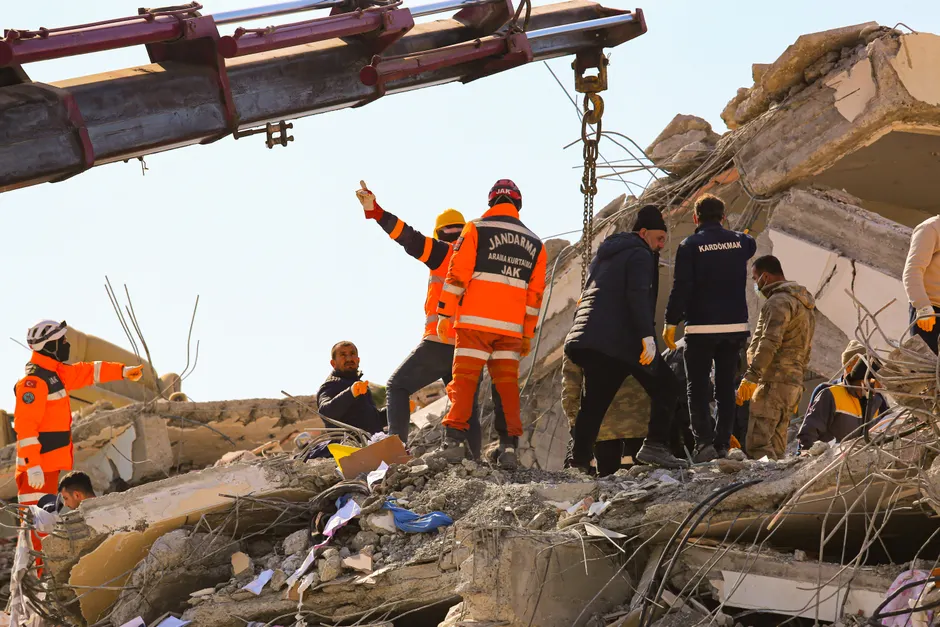
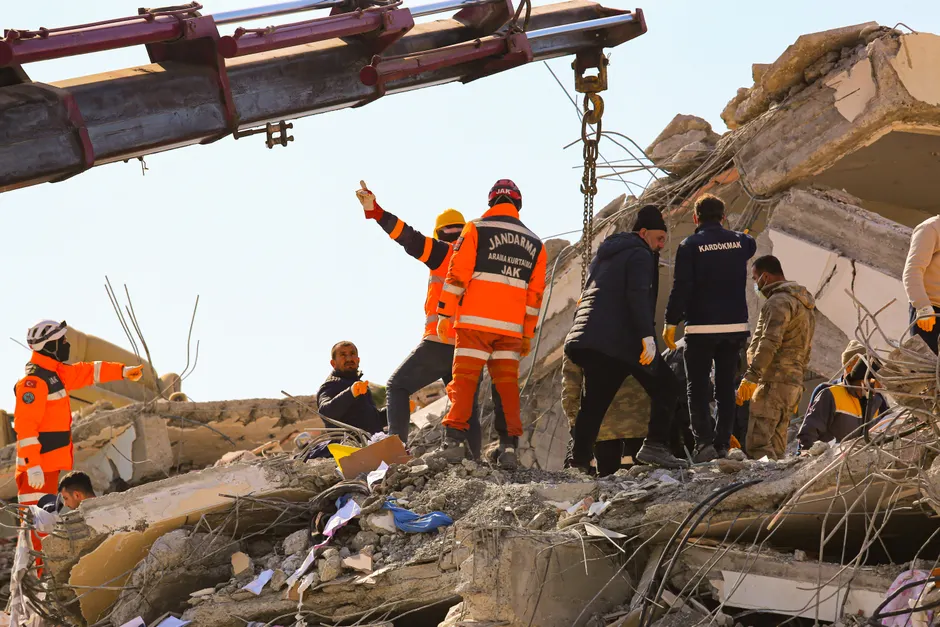
A rock and ice avalanche along the Nepal-China border on Wednesday, August 26, 2026, triggered flash floods in the Bhotekoshi river, killing at least 98 people and leaving 403 reported missing across the region. Tibet also reported major casualties from the same flood event. The disaster struck a corridor frequented by international travelers, with at least 384 individuals affected, including Indian, American, and British nationals. Among the missing, 47 are from the United States. CNBC
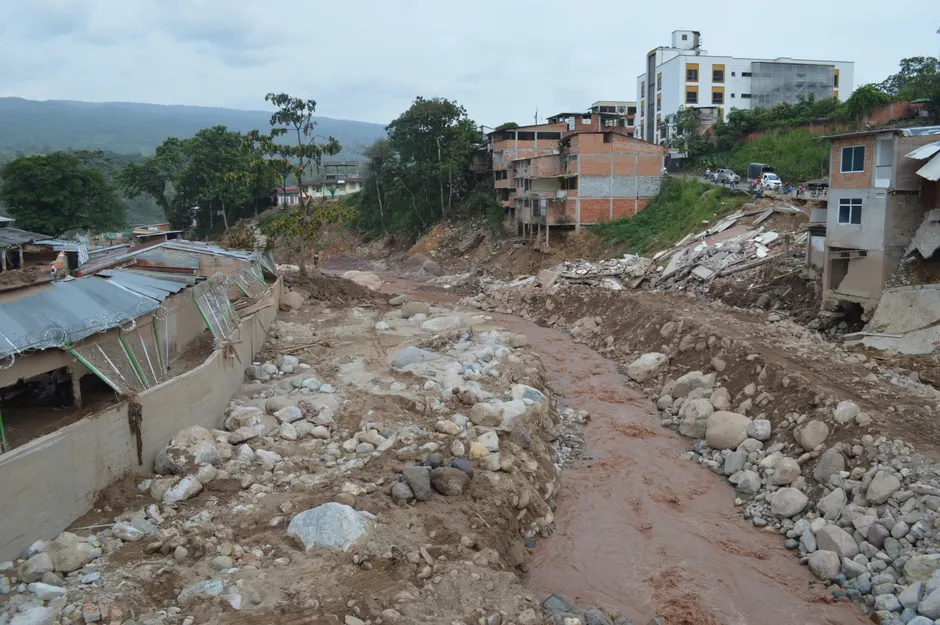
The avalanche descended along the Nepal-Tibet border and sent a massive debris-laden surge — a fast-moving wall of water, mud, and broken rock — down the Bhotekoshi river basin. NPR The floodwaters swept away villages and roads, compounding the difficulty of search operations in remote, high-altitude terrain where access is already constrained by narrow valleys and limited infrastructure. Al Jazeera Reuters
Rapid action teams were formed in Nepal in response to the flooding. The Bhotekoshi valley, a known hazard zone, has experienced repeated flood events in recent years, but the scale of casualties and missing persons reported in this incident exceeds typical monsoon-season flood impacts in the area. The presence of large numbers of foreign travelers in the affected corridor adds an international dimension to the disaster response, with American, Indian, and British nationals among those caught in the flood path.
The cross-border nature of the event complicates the operational picture. The avalanche originated along the border, and the resulting floods affected communities and travel routes in both Nepal and Tibet. Casualties have been reported on both sides, though the verified data does not yet provide a geographic breakdown of where the 98 deaths and 403 missing persons are distributed. The involvement of the Tibetan side introduces a coordination element between Nepalese authorities and Chinese disaster response structures, which have historically operated through separate channels.
The death toll of 98 and the missing count of 403 represent the figures reported as of August 26. In mass-casualty events of this type, initial numbers frequently shift as search operations progress, additional communications reach remote areas, and duplicate reports are reconciled. The 47 Americans among the missing will draw particular diplomatic attention, likely prompting consular engagement by the U.S. Embassy in Kathmandu and coordination with Nepalese search-and-rescue authorities.
The broader context here involves the increasing frequency of high-altitude mass-movement events — rock and ice avalanches in glacier-covered terrain — across the Himalayan region. These events can generate cascading hazards: debris-choked rivers, sudden dam-breach floods when natural debris barriers collapse, and downstream sediment pulses that disrupt communities and infrastructure far from the original failure point. Think of it as a domino effect in a river system: an avalanche upstream can trigger a flood that races down a steep valley, carrying enough debris to block the river itself, and that blockage can then break open and release a second, even larger flood. The Bhotekoshi basin's steep gradient and its position along a major trans-Himalayan travel route mean that a single mass-movement event can simultaneously create a humanitarian emergency, a logistics crisis, and a cross-border diplomatic coordination challenge. The 384 affected travelers point to the exposure of transit corridors in this geography to sudden, large-scale hydrological events.
The international profile of the victims, the cross-border impact, and the scale of the missing persons count will shape the coming days of this disaster. Search operations in high-altitude flood zones face narrow operational windows, and the terrain limits the deployment of heavy equipment. How rapidly Nepal's rapid action teams can access the most remote affected stretches, and whether cross-border coordination with Chinese authorities on the Tibetan side materializes, will determine the trajectory of the casualty count in the days ahead.