Glacial Avalanche and Flash Floods Devastate the Nepal-Tibet Border Region
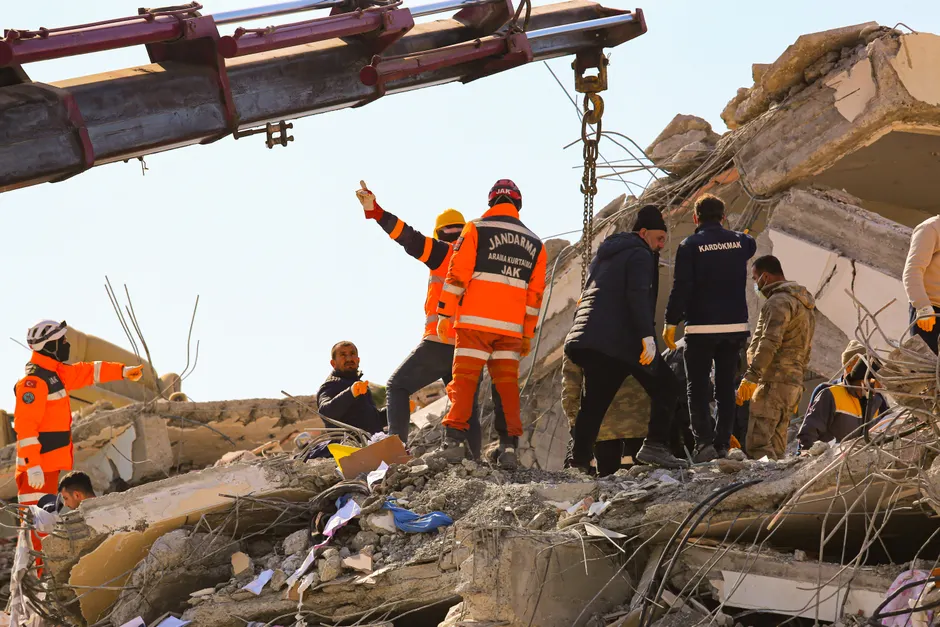
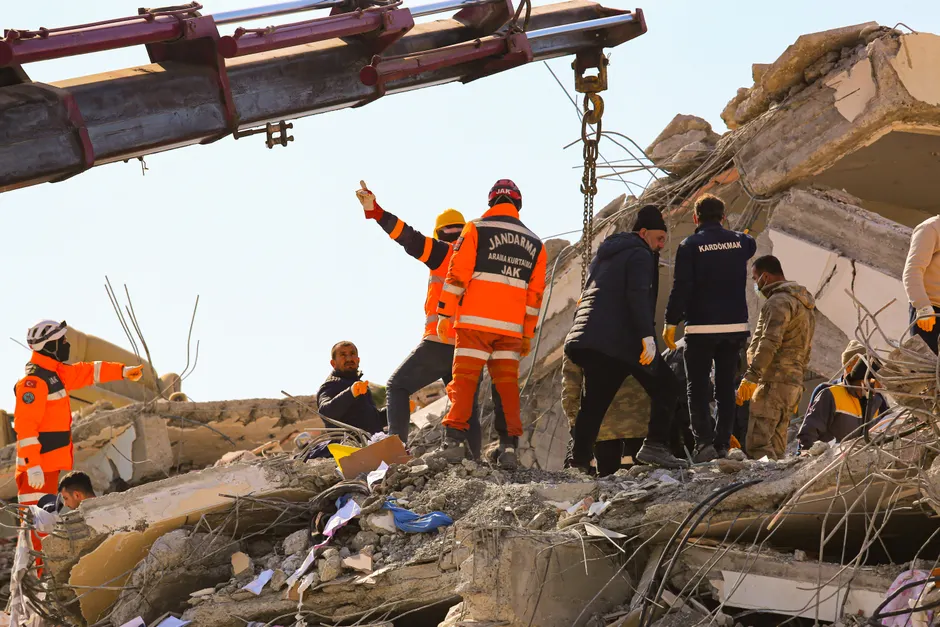
An avalanche of ice and rock triggered catastrophic flash floods along the Nepal-Tibet border on the morning of 26 August 2026, striking dozens of settlements along the Trishuli River in Nepal's Rasuwa and Nuwakot districts. As of 27 August, at least 157 people were confirmed dead. Reuters reported that nearly 1,500 people, including at least 800 foreigners, remained missing across Nepal and China's Tibet. Al Jazeera placed the death toll at at least 160. The affected area is popular with pilgrims and tourists.
Reuters first broke coverage on 26 August, describing a huge wall of mud and rock collapsing into a river on the Himalayan border between Nepal and China's Tibet. The debris surge struck the Bhotekoshi River in Rasuwa and surged downstream through the Trishuli basin, washing away villages and project sites. NPR reported initial casualties of at least eight dead and hundreds missing on 26 August. Those figures climbed sharply over the following 24 hours as rescue teams reached cut-off areas and communications were partially restored. By 27 August, The Guardian reported more than 1,000 people declared missing, the majority of them tourists. The Hindu confirmed at least 157 dead and more than 400 missing or out of contact, including approximately 133 Indians.
The scale of the missing-persons count reflects the seasonal concentration of visitors in the region. Late August falls within a window when Hindu pilgrimage routes through the Himalayan foothills see heavy foot traffic, and the affected river valleys host both religious travelers and foreign trekking groups. The high proportion of foreign nationals among the missing — at least 800 per Reuters — complicates consular coordination across multiple governments. Indian nationals represent a significant subset, given the open border arrangement between India and Nepal and the volume of cross-border pilgrimage traffic.
Nepal's National Disaster Risk Reduction and Management Authority (NDRRMA) had reported a flash flood in the Bhotekoshi River in Rasuwa earlier in August 2026. Its Daily Disaster Bulletin on 24 August documented 50 disaster-related incidents across various parts of Nepal in the preceding 24 hours. These records indicate that hydrological and slope instability conditions were already active in the region before the 26 August event. The bulletin predates the major avalanche-triggered flood, but it situates the disaster within an ongoing pattern of monsoon-season incidents across Nepali districts.
The mechanism, as reported by NPR and Al Jazeera, involved an avalanche of ice and rock, with Al Jazeera specifically identifying a Himalayan glacier collapse as the trigger. Reuters characterized the initial event as a massive wall of mud and rock collapsing into the river. The combination of glacial dynamics and monsoon hydrology in the trans-Himalayan river systems creates conditions where a single slope failure can generate downstream effects across an international border within minutes to hours, leaving settlements and travelers in the flood path with minimal warning windows.
The cross-border dimension adds a layer of operational complexity. Floodwaters originating near the Nepal-Tibet border traveled through Nepali territory, affecting Nepali districts directly, while the missing-persons count spans both sides of the frontier. Rescue and recovery operations necessarily involve coordination between Nepalese authorities and Chinese Tibetan administration, alongside the consular response for the large number of foreign nationals unaccounted for. India's external affairs apparatus faces a specific case load given the 133 Indians reported missing or out of contact.
The broader context here is that the Himalayan belt has experienced a series of similar events in recent years where glacial lake outburst floods, landslides, and avalanches have produced rapid-onset disasters in densely visited river valleys. A glacial lake outburst flood, or GLOF, occurs when a glacier-fed lake breaches its natural dam, releasing a sudden torrent of water downstream. The NDRRMA's own daily bulletins cataloguing dozens of incidents per day during monsoon season illustrate that the institutional disaster-response architecture in Nepal operates under sustained pressure even before a single catastrophic event like this one. What distinguishes the 26 August flood is the concentration of casualties and missing persons in a single event spanning an international border and involving a large foreign-national population, which transforms a domestic disaster response into a multi-state consular and diplomatic operation. The final toll will depend on how many of those listed as out of contact are located in cut-off areas rather than confirmed among the dead, and that ratio will not stabilize for days given the terrain and infrastructure damage along the Trishuli corridor.