A Fatal Bungee Jump in Brazil: What Went Wrong and Why It Matters
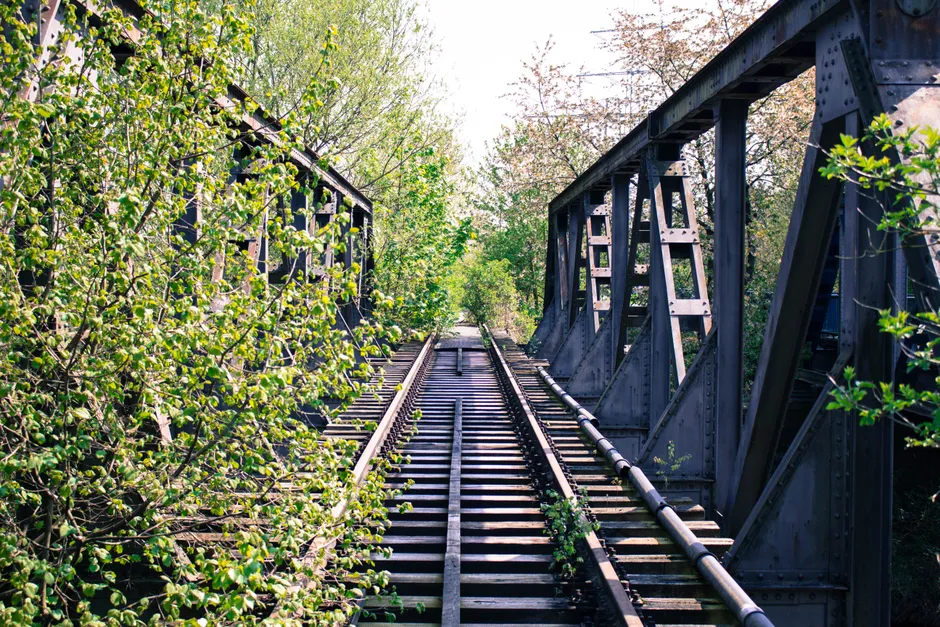
Maria Eduarda Rodrigues de Freitas, 21, died after jumping from Ponte do Esqueleto — an abandoned railway bridge in Limeira, São Paulo state — without a safety rope attached, according to AP News.
The accident happened in 2026. Instructors were on site when de Freitas jumped from the bridge. No one caught the missing rope — the one essential piece of equipment that keeps bungee jumping from becoming an uncontrolled fall — before she went over the edge. She was later buried in Brazil.
The Grey Zone of Informal Adventure Tourism
Ponte do Esqueleto's name means "Skeleton Bridge." It's a decommissioned railway crossing that over the years has drawn both informal and commercial extreme-sports activity. This matters because abandoned structures repurposed for adventure sports operate in a regulatory blind spot across much of Brazil and Latin America.
Formal venues must meet safety standards set by ABNT (Brazil's standards body) and undergo mandatory equipment inspections. Informal or semi-commercial sites that operate outside that system have no safety net. Everything depends on whether the operators are competent — and nothing backs them up if they're not.
How the Accident Happened
The injury here was not a piece of equipment breaking down. It was the absence of the primary safety measure altogether. In bungee operations, pre-jump checklists exist for this reason: harness attachment confirmation, rope anchor verification, a two-person sign-off. The consequences of skipping even one step are fatal. Whether those protocols existed at this site on paper, and whether anyone followed them, will be critical to any investigation.
What Comes Next
Brazilian law allows prosecution of deaths caused by negligence in recreational activities. The instructors present at the scene face immediate scrutiny. Depending on what investigators find, charges could range from culpable homicide to more serious counts if there's evidence of deliberate rule-breaking. The bridge's owner and anyone operating the activity commercially could also face civil liability.
Fatalities at informal adventure sites typically don't trigger regulatory overhauls by themselves. What usually drives change is a cluster of deaths in quick succession, sustained media coverage, or a high-profile victim whose family can afford to pursue legal action that becomes public record. De Freitas's death has features that invite attention: a clear, documented failure, instructors on site, and a young victim who generates public sympathy.
Whether Brazilian authorities at state or federal level move to strengthen oversight of informal extreme-sports venues depends largely on how much pressure builds in the coming weeks. This could become a high-profile push for change, or it could remain a localized criminal matter.
The Permanent Risk
For the adventure tourism industry, this case underscores a hard fact: the safety gap between doing things correctly and cutting corners closes the moment the jump happens. No investigation, no lawsuit, no regulatory change afterward can bring back that margin.


